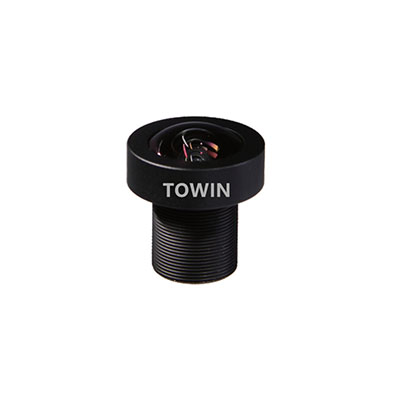



Can Drone Lenses Support Thermal Imaging?
07/29/2026
Are Medical Imaging Lenses Suitable for Low-Light Environments?
08/02/2026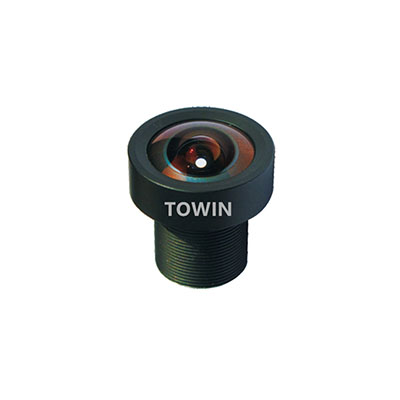
Why are lightweight lenses important for drones? Lightweight optical lenses play a critical role in improving flight endurance, payload efficiency, image stability, and overall UAV performance. Whether a drone is used for aerial mapping, infrastructure inspection, agriculture, surveillance, or autonomous navigation, reducing camera payload without compromising image quality allows operators to achieve longer flight times and collect more reliable visual data.
Modern drone imaging systems demand much more than simply capturing clear images. Every component mounted on a UAV directly affects battery consumption, flight dynamics, gimbal balance, and mission efficiency. While batteries and motors often receive the most attention, the optical lens is equally important because it contributes to both image quality and total payload weight.
At TOWIN, we design lightweight optical solutions that combine high resolution, compact dimensions, and excellent optical performance for demanding UAV applications. Explore our Drone Imaging Lens Solutions to discover lenses optimized for aerial imaging, mapping, AI vision, and industrial drones.
Why Drone Weight Matters
Every gram carried by a drone affects how efficiently it can fly. As payload increases, the motors require more power to maintain altitude, resulting in higher energy consumption and reduced flight endurance. Since drone missions often involve long-distance inspection, precision mapping, or continuous surveillance, minimizing payload becomes one of the most effective ways to improve operational efficiency.
Although the lens may appear to be a relatively small component, it has a surprisingly large impact on overall system performance. Lightweight optical lenses reduce mechanical stress on the gimbal, improve stabilization accuracy, and allow batteries to power the aircraft for longer periods.
How Payload Influences Drone Performance
| Payload Factor | Effect on Drone | Operational Impact |
|---|---|---|
| Total Weight | Higher power consumption | Shorter flight time |
| Lens Weight | Additional gimbal load | Reduced stabilization accuracy |
| Camera Module | Higher center of gravity | Less stable flight |
| Battery Load | Faster discharge rate | Reduced mission duration |
| Motor Load | Higher operating temperature | Shorter component lifespan |
For professional UAV manufacturers, lightweight design is not simply about reducing weight—it is about optimizing the balance between optical performance and mechanical efficiency. Every saved gram contributes to better energy utilization throughout the entire drone system.
How Lens Weight Affects Drone Performance
The optical lens directly influences several critical aspects of drone operation. Unlike many electronic components that remain fixed within the aircraft, the camera and lens are typically mounted on a stabilized gimbal. Any increase in lens weight affects not only the aircraft itself but also the stabilization system responsible for maintaining image clarity.
1. Longer Flight Time
Battery capacity is limited, making efficient power management essential. A lighter imaging payload allows motors to consume less power, enabling drones to remain airborne longer and cover larger operational areas.
- Longer mapping missions
- Extended inspection routes
- Reduced battery replacement frequency
- Higher operational efficiency
2. Improved Gimbal Stability
Modern drones rely on high-speed gimbals to compensate for aircraft movement. Heavy lenses require greater stabilization torque, increasing motor workload and reducing response speed.
Lightweight lenses allow the gimbal to react faster to sudden movement, resulting in:
- Smoother video footage
- Reduced motion blur
- Improved image sharpness
- Better AI image recognition
3. Better Flight Efficiency
Lower payload improves overall aerodynamic efficiency. The drone requires less thrust during hovering, climbing, and maneuvering, making flight more stable while reducing mechanical wear.
4. Increased Payload Flexibility
Many industrial drones carry additional sensors, including LiDAR, thermal cameras, multispectral cameras, GPS receivers, or AI processors. Selecting a lightweight optical lens frees valuable payload capacity for these mission-critical devices.
Typical Weight Comparison
| Lens Weight | Flight Time | Gimbal Load | Image Stability | Recommended Application |
|---|---|---|---|---|
| <8 g | Excellent | Very Low | Excellent | FPV Drone |
| 8–15 g | Very Good | Low | Excellent | Aerial Mapping |
| 15–30 g | Good | Medium | Good | Inspection Drone |
| >30 g | Limited | High | Moderate | Large Industrial UAV |
Choosing the correct lens weight depends on the aircraft platform, mission duration, sensor size, and optical requirements. Lightweight lenses are especially beneficial for compact UAVs where every gram significantly influences endurance.
Lightweight Lens vs. Standard Lens
Many engineers assume that reducing lens weight means sacrificing image quality. Advances in optical design, however, have made it possible to achieve high resolution, low distortion, and compact mechanical structures simultaneously.
| Feature | Lightweight Lens | Standard Lens |
|---|---|---|
| Weight | ★★★★★ | ★★★☆☆ |
| Flight Time | Longer | Shorter |
| Power Consumption | Lower | Higher |
| Gimbal Performance | Excellent | Moderate |
| Mapping Accuracy | Higher | Standard |
| Payload Capacity | More Available | Reduced |
While standard lenses may still be suitable for large UAV platforms, lightweight designs have become the preferred choice for most commercial drone applications due to their superior balance between optical quality and mechanical efficiency.
Key Parameters When Selecting a Lightweight Drone Lens
Understanding the relationship between lens specifications and UAV performance is essential when selecting an imaging solution. Engineers should evaluate optical performance together with mechanical characteristics rather than focusing on weight alone.
1. Lens Weight
Weight should always match the drone’s payload capability. Lightweight consumer drones generally benefit from lenses weighing less than 10 grams, while industrial UAVs may accommodate heavier optics if higher resolution is required.
| Drone Type | Recommended Lens Weight |
|---|---|
| FPV Drone | <8 g |
| Mini UAV | 5–10 g |
| Commercial Drone | 8–20 g |
| Industrial UAV | 15–40 g |
2. Resolution
Higher image resolution enables drones to capture more detail during inspection, mapping, and AI recognition tasks.
| Resolution | Typical Application |
|---|---|
| 2MP | FPV Navigation |
| 5MP | Agricultural Drone |
| 8MP | Infrastructure Inspection |
| 12MP | Aerial Photography |
| 20MP+ | Professional Mapping |
3. Distortion
Low distortion is essential for photogrammetry, surveying, and precision measurement. Excessive distortion introduces geometric errors that reduce mapping accuracy.
| Application | Recommended Distortion |
|---|---|
| Photogrammetry | <0.5% |
| Surveying | <1% |
| Inspection | <1% |
| FPV | <3% |
For applications requiring geometric precision, consider specialized low-distortion optics similar to those used in our Machine Vision Lens Solutions.
4. Sensor Size Compatibility
A lens must fully cover the camera sensor to avoid vignetting while maintaining image sharpness across the entire field of view.
| Sensor Size | Typical Drone Camera |
|---|---|
| 1/4″ | Mini Drone |
| 1/3″ | FPV Camera |
| 1/2.7″ | Commercial UAV |
| 1/2″ | Inspection Drone |
| 1/1.8″ | Industrial UAV |
| 1″ | Professional Mapping Camera |
If you’re unfamiliar with sensor formats, read our Lens Basics guide to understand how sensor size affects image quality and lens compatibility.
5. Focal Length
Different drone missions require different viewing angles. Selecting the proper focal length ensures optimal coverage while maintaining sufficient target detail.
| Application | Typical Focal Length |
|---|---|
| FPV Racing | 1.8 mm |
| Agriculture | 2.8–4 mm |
| Surveillance | 4–6 mm |
| Mapping | 8–12 mm |
| Power Line Inspection | 12–25 mm |
6. Mount Type
Mechanical compatibility is equally important. Compact drone cameras typically use M12 mounts because they provide an excellent balance between size, weight, and imaging performance.
| Mount | Advantages | Typical Application |
|---|---|---|
| M12 Mount | Compact, lightweight | Small UAV |
| C Mount | Supports larger sensors | Industrial UAV |
| CS Mount | Flexible installation | Specialized Cameras |
Explore our complete range of M12 Lenses for lightweight drone camera integration.
How to Select the Best Lightweight Drone Lens
Selecting the right optical solution involves balancing weight, image quality, mechanical compatibility, and mission requirements. Rather than choosing the lightest available lens, engineers should evaluate the complete imaging system.
- Determine the drone’s maximum payload.
- Select the appropriate camera sensor.
- Define the required image resolution.
- Calculate the necessary field of view.
- Choose the appropriate focal length.
- Verify distortion requirements.
- Confirm mount compatibility.
- Evaluate lens weight relative to battery capacity.
Following this systematic process ensures optimal performance while maintaining excellent flight efficiency. As discussed earlier, Why are lightweight lenses important for drones becomes even more apparent when balancing imaging performance with payload limitations across different UAV platforms.
Typical Applications for Lightweight Drone Lenses
Different UAV applications have unique imaging requirements. Selecting the appropriate lightweight lens improves flight efficiency while ensuring the camera delivers the optical performance required for each mission. Below are some of the most common drone imaging scenarios and the corresponding lens characteristics.
| Application | Lens Requirements | Recommended Lens Type |
|---|---|---|
| Aerial Mapping |
| Low Distortion Lens |
| Infrastructure Inspection |
| Telephoto Lens |
| Agriculture Drone |
| Wide Angle Lens |
| Thermal Drone |
| IR Lens |
| Security & Surveillance |
| Low Distortion Lens |
| FPV Racing Drone |
| M12 Lens |
To explore complete optical solutions for these applications, visit our Drone Imaging Lens Solutions page.
Recommended Lightweight Lens Categories
Choosing the correct lens category depends on your camera sensor, application, flight duration, and imaging requirements. TOWIN offers multiple lightweight optical solutions for UAV manufacturers and camera module developers.
| Lens Category | Advantages | Typical Applications |
|---|---|---|
| M12 Lens | Compact, lightweight, easy integration | FPV, AI Vision, Small UAV |
| Low Distortion Lens | Excellent geometric accuracy | Mapping, Surveying |
| Wide Angle Lens | Large viewing angle | Agriculture, Surveillance |
| Telephoto Lens | Long-distance observation | Inspection, Power Line Monitoring |
Browse our complete M12 Lens Product Series to find lightweight solutions for drone cameras, embedded vision systems, and industrial imaging.
Recommended Optical Specifications for Different Drone Systems
| Drone Type | Resolution | Sensor | Distortion | Recommended Lens |
|---|---|---|---|---|
| FPV Drone | 2MP | 1/3″ | <3% | Wide Angle M12 Lens |
| Agriculture UAV | 5MP | 1/2.3″ | <1% | Wide Angle Lens |
| Inspection Drone | 8MP | 1/1.8″ | <1% | Telephoto Lens |
| Mapping Drone | 20MP | 1″ | <0.5% | Low Distortion Lens |
| Thermal Drone | 640×512 | Thermal Sensor | Optimized | IR Lens |
Drone Lens Selection Workflow
Choosing the right drone lens is a systematic engineering process. The following workflow helps ensure that both optical performance and payload limitations are properly balanced.
- Determine Drone Platform
- Select Camera Sensor
- Define Required Resolution
- Calculate Field of View (FOV)
- Select Focal Length
- Verify Distortion Requirements
- Confirm Lens Weight
- Choose Lens Mount
- Finalize Lens Model
If you’re new to optical design, our Lens Basics article explains focal length, field of view, distortion, and sensor compatibility in greater detail.
Related Resources
To better understand drone imaging systems, you may also find these resources helpful:
Frequently Asked Questions
Why are lightweight lenses important for drones?
Lightweight lenses reduce payload weight, allowing drones to fly longer, consume less battery power, improve gimbal stability, and capture higher-quality images throughout longer missions.
Does a lighter lens increase flight time?
Yes. Reducing payload decreases motor power consumption, which typically extends flight endurance and improves overall energy efficiency.
Can lightweight lenses still provide high image quality?
Absolutely. Modern optical design enables lightweight lenses to deliver high resolution, excellent MTF performance, and low distortion without significantly increasing weight.
What lens weight is recommended for small UAVs?
Most compact drones benefit from lenses weighing less than 10 grams, although the optimal value depends on payload capacity and camera specifications.
Are M12 lenses suitable for drone cameras?
Yes. M12 lenses are widely used in UAV imaging because they are lightweight, compact, and available in a wide range of focal lengths and resolutions.
Why is low distortion important for aerial mapping?
Low distortion minimizes geometric errors, helping improve mapping accuracy, photogrammetry results, and 3D reconstruction quality.
How do I choose the right focal length?
The appropriate focal length depends on flight altitude, target size, working distance, and required field of view. Wider lenses capture more area, while longer focal lengths provide greater detail.
Where can I find professional drone imaging lenses?
Visit our Drone Imaging Lens Solutions page to explore lightweight optical solutions for mapping, inspection, agriculture, surveillance, and AI vision applications.
Conclusion
Why are lightweight lenses important for drones? The answer extends far beyond simply reducing payload. A well-designed lightweight lens contributes to longer flight time, lower energy consumption, improved gimbal stabilization, higher imaging accuracy, and greater operational efficiency. As UAV technology continues to evolve, lightweight optics have become a key factor in maximizing the performance of aerial imaging systems.
When selecting a drone lens, engineers should evaluate weight alongside optical resolution, distortion, sensor compatibility, focal length, and mounting options. Finding the right balance between these parameters ensures that the imaging system delivers both outstanding image quality and efficient flight performance.
At TOWIN, we specialize in developing compact, high-performance optical solutions for drone manufacturers, camera module developers, and industrial vision applications. Whether your project involves aerial mapping, precision inspection, FPV systems, agricultural drones, or autonomous UAV platforms, our engineering team can recommend the most suitable lens for your requirements.
Explore our Drone Imaging Lens Solutions to learn more about our lightweight optical technologies, or browse our M12 Lens Series for compact imaging solutions. If you would like assistance selecting the ideal lens for your project, please contact our team for expert support.
Ultimately, understanding Why are lightweight lenses important for drones helps engineers and manufacturers build UAV systems that achieve longer flight endurance, superior image quality, and more efficient mission performance.