

KNOWLEDGE CENTER
Lens Distortion Guide for Industrial Vision Systems
Understand barrel distortion, pincushion distortion, and perspective distortion in industrial machine vision systems. Discover how lens distortion affects measurement accuracy, camera calibration, and image quality, and learn how to choose the right low-distortion lens for precision vision applications.
Distortion
Resolution
Coverage
C-Mount
Standard
What Is Lens Distortion?
Lens distortion
is an optical phenomenon where straight lines or object shapes appear differently from their real geometry due to imperfections in lens projection.
In industrial imaging systems
distortion directly affects measurement accuracy, object recognition, and image analysis results.
Unlike normal image blur
distortion changes the geometric relationship between objects and their actual dimensions, making it especially important for machine vision inspection and precision measurement applications.
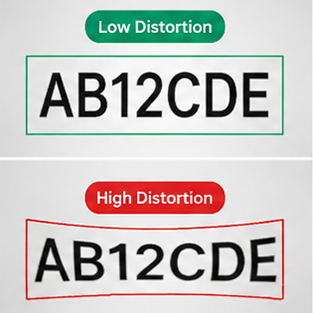
Straight lines and squares are perfectly aligned.

Straight lines appear curved and shapes are deformed.

Why It Matters
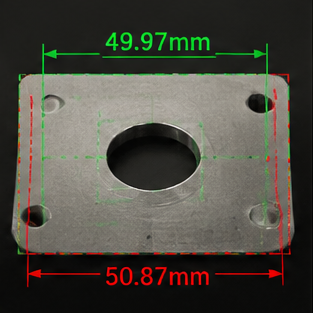
Even small amounts of lens distortion can introduce significant measurement errors, affect object recognition performance, and reduce the accuracy of machine vision systems.
Why Lens Distortion Matters in Machine Vision
Precision Measurement
OCR Recognition
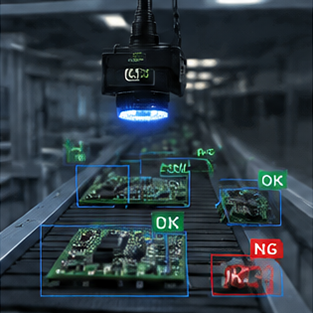
Al Object Detection
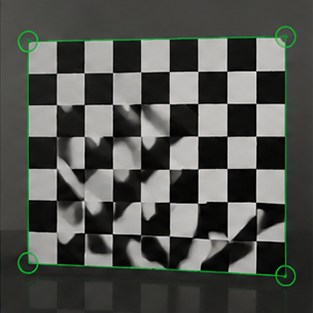
Camera Calibration

Common Types of Lens Distortion
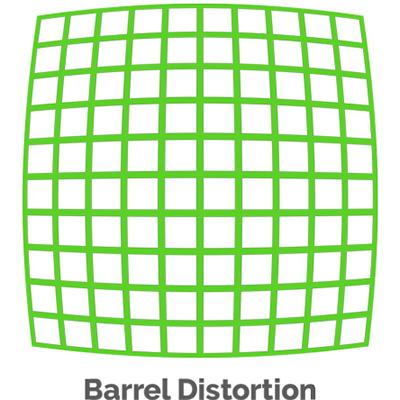
Barrel Distortion
Pincushion Distortion

Mustache Distortion

Perspective Distortion
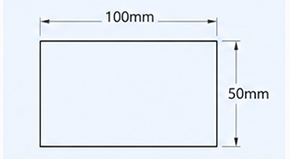
How Lens Distortion Affects Measurement Accuracy
Object
The actual object or target with real dimensions.
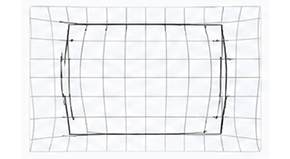
Captured
Image captured by the lens with distortion.
Measured
Measured result from the captured image.
Measured Width
101.8mm
Measured Height
50.9mm
Error
Measurement error caused by distortion.
Width Error
+1.8mm
Error Rate
+1.8%
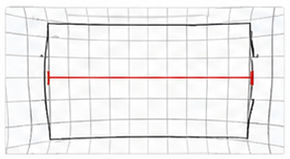
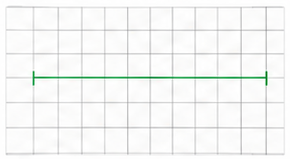
In high-precision applications, even 1% distortion can lead to unacceptable measurement errors.
Choose low-distortion lenses for accurate, reliable results.
How Optical Distortion Is Measured
Use a high-precision calibration board with known grid spacing.
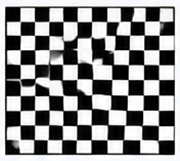
Capture an image of the calibration board using the lens under test.
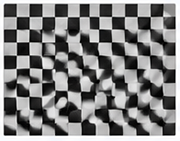
Detect grid corners and extract their pixel coordinates.
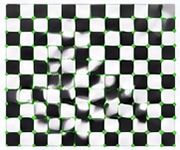
Compare detected points with ideal positions and calculate distortion values.
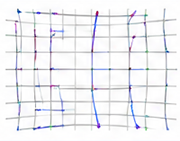
Generate distortion correction parameters for calibration or real-time correction.
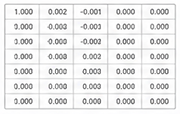
By following this process, we can measure and quantify lens distortion with high accuracy, ensuring reliable performance in precision measurement, calibration, and machine vision applications.
➽ Distortion Measurement Methods
| Method | Description | Standard | Typical Use |
|---|---|---|---|
| Rectilinear (Radial) Distortion | Measures barrel or pincushion distortion based on radial displacement. | ISO 17850 | General machine vision lens evaluation |
| Tangential Distortion | Measures distortion caused by decentering or lens element misalignment. | ISO 17850 | High-precision measurement systems |
| Total Geometric Distortion | Combines radial and tangential distortion for overall geometric accuracy. | ISO 17850 | Camera calibration and metrology applications |
📋 Measurement Conditions
Why Accurate Measurement Matters
Precise distortion measurement ensures that low-distortion lenses deliver reliable results, reducing measurement errors, improving calibration accuracy, and enhancing overall system performance.
Distortion Requirements by Application
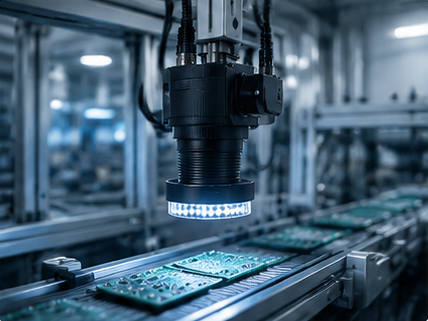
Machine Vision
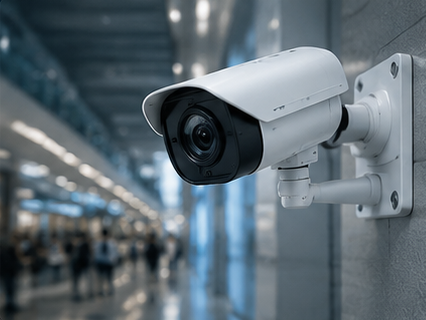
Security & Surveillance
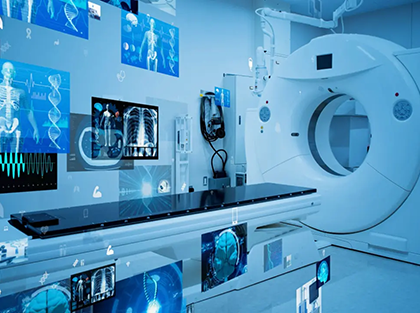
Medical Imaging
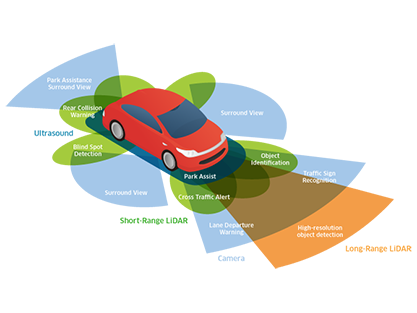
ADAS & Automotive
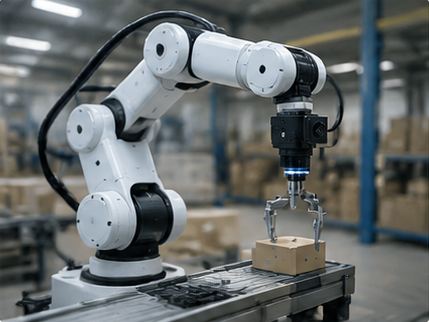
Robotics & Automation
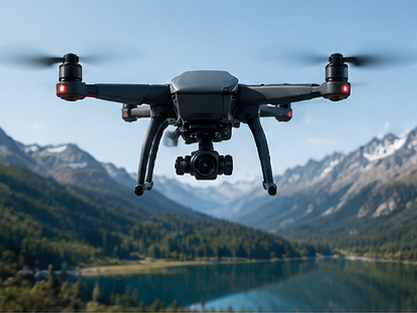
Drones & Aerial Imaging
Featured Vision Solutions
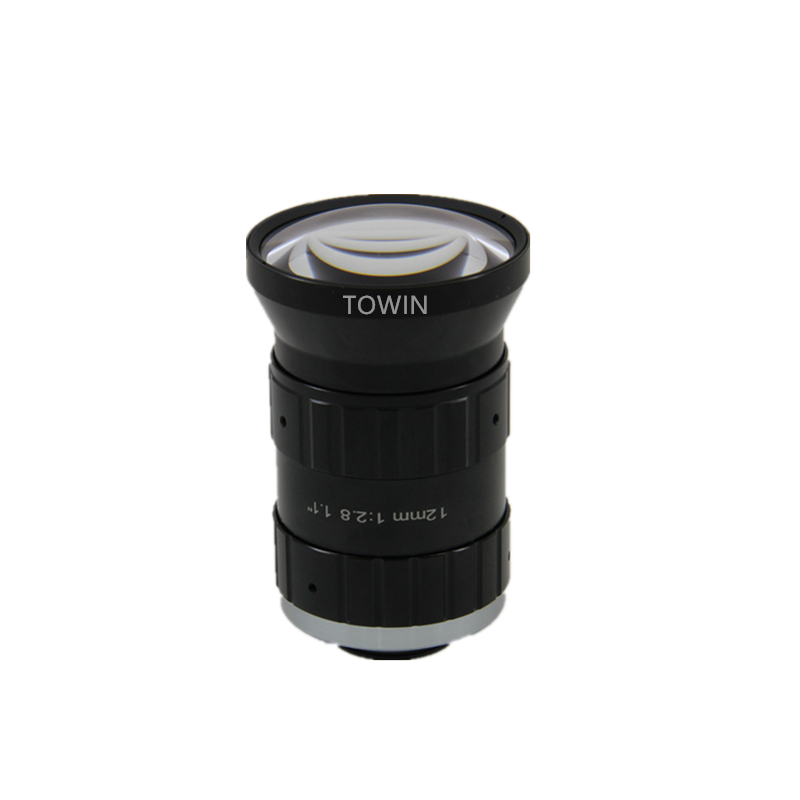
FA 12mm F2.8~22
Low distortion FA lens for high-precision industrial inspection
View Details →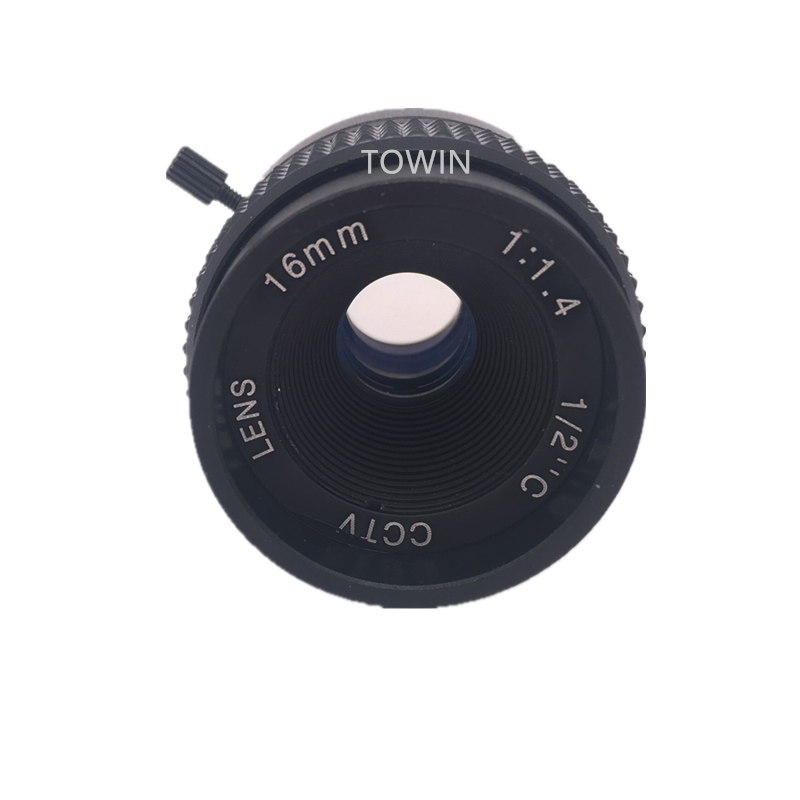
C-Mount 16mm F1.4
Low distortion, high resolution for machine vision systems
View Details →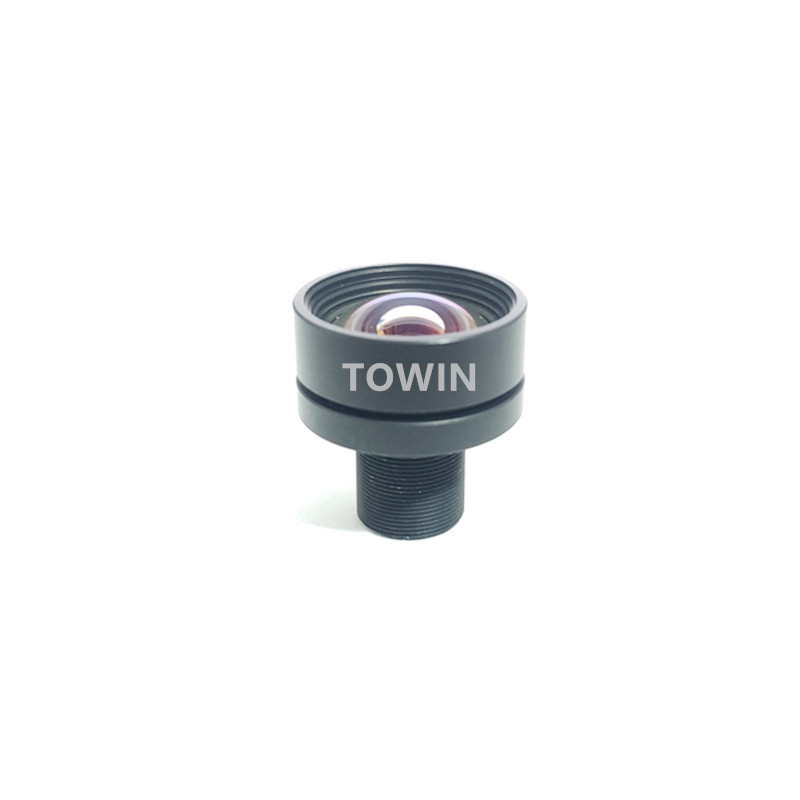
M12 8mm F1.8
Compact M12 lens with ultra-low distortion for embedded vision
View Details →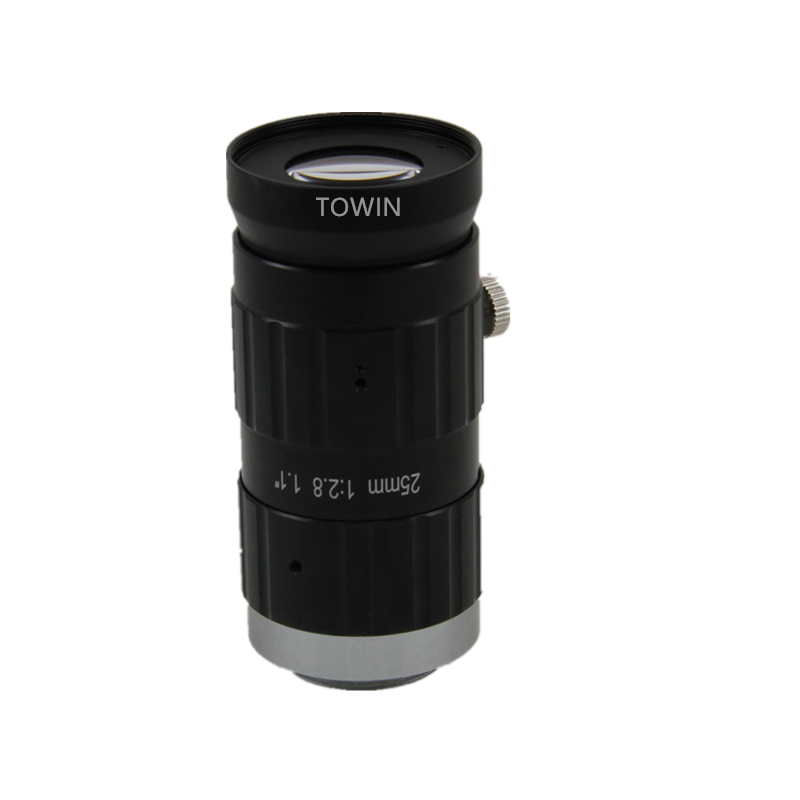
FA 25mm F2.8~22
High performance FA lens for measurement and automation
View Details →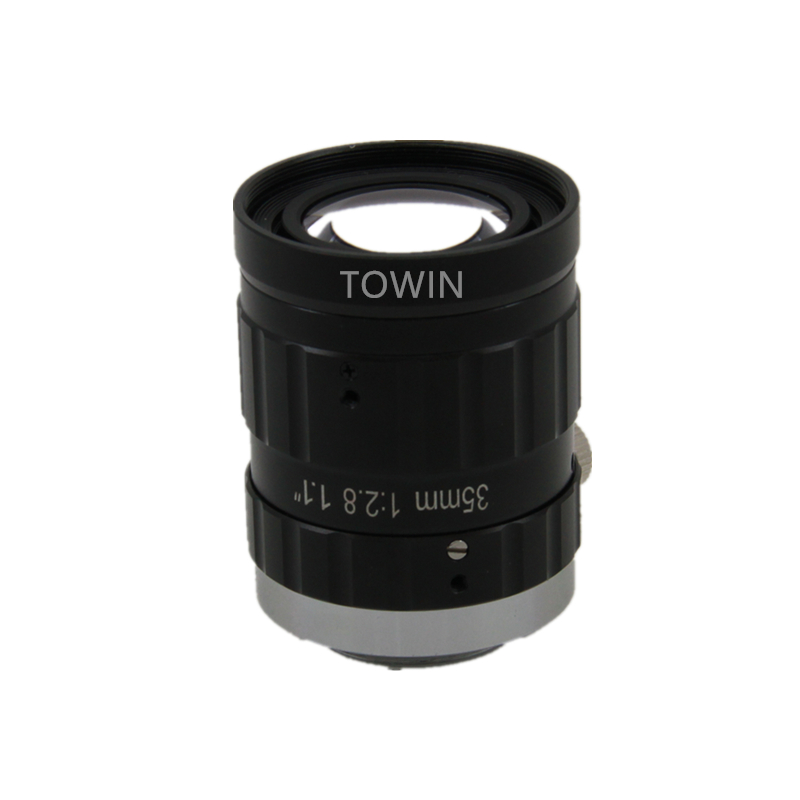
C-Mount 35mm F2.8
High resolution, low distortion for precision imaging
View Details →Ultra-Low Distortion
Down to <0.1% for precision measurement
High Resolution
Supports up to 20MP and 4K imaging
Large Sensor Support
Covers 1/4" to 1.1" sensors
Industrial Grade
Designed for 24/7 stable operation
Find the right lens for your application
How to Minimize Lens Distortion
Choose Proper Focal Length
Select the right focal length based on FOV, working distance, and resolution requirements.
Key Point
Longer focal length usually means lower distortion, but not always.
Use Low Distortion Lens
Choose lenses designed for low distortion with high-quality optical design and manufacturing.
Key Point
Check the distortion specification (e.g., <0.5%, <0.1%) in the datasheet.
Camera
Calibration
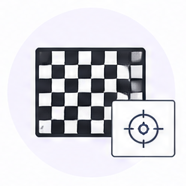
Perform precise camera calibration to measure distortion parameters and generate correction models.
Key Point
Use a high-precision calibration board and stable imaging setup.
Software Correction
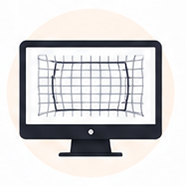
Apply correction algorithms to compensate for remaining distortion and improve measurement accuracy.
Key Point
Use the correction model generated from your calibration data.
Regular Verification

Verify distortion performance regularly to ensure long-term stability and measurement reliability.
Key Point
Recalibrate when the system, lens, or working distance changes.
Why These Steps Matter
Even high-quality lenses can have slight distortion. Combining proper lens selection, calibration, and software correction ensures optimal image geometry and measurement accuracy.
Improve Measurement Accuracy
Reduce System Errors
Enhance Vision System Reliability
Ensure Long-term Consistency
Best Practices
Match the lens to your sensor size and application
Use industrial low-distortion lenses for precision tasks
Calibrate in a stable environment
Save and manage multiple calibration profiles
Monitor performance and verify regularly
Distortion Performance Comparison
| Lens Type | Focal Length Range | Typical Distortion | Distortion Characteristic | Best For | Key Advantage | Learn More |
|---|---|---|---|---|---|---|
| Wide-Angle Lens (M12 / C-Mount) | 2.1mm – 4mm | 2% – 5% | Barrel Distortion | 🛡️ Surveillance, Smart City, Wide Coverage | ✓ Large field of view ✓ Compact size ✓ Cost-effective | View Wide-Angle Lenses → |
| M12 Lens (M12 / S-Mount) | 6mm – 12mm | 0.3% – 1% | Low Barrel Distortion | 🏭 Machine Vision, Robotics, Automation | ✓ Balanced FOV & accuracy ✓ High resolution ✓ Versatile applications | View M12 Lenses → |
| Low Distortion Lens (C-Mount) | 16mm – 50mm | 0.05% – 0.3% | Pincushion Distortion | 📏 Measurement, Inspection, Metrology | ✓ Low distortion ✓ High measurement accuracy ✓ Long working distance | View Low Distortion Lens → |
| Telecentric Lens (C-Mount / F-Mount) | Various | ≈ 0% | No Distortion | ⚙️ Precision Measurement, Semiconductor, PCB Inspection | ✓ Near-zero distortion ✓ Constant magnification ✓ High measurement stability | Learn about Telecentric Lenses → |
| FA Lens (C-Mount) | 8mm – 50mm | 0.1% – 0.5% | Very Low Distortion | 🔬 High-Precision Inspection, AOI, Medical | ✓ High optical performance ✓ Low distortion ✓ Industrial-grade reliability | View FA Lenses → |
Always refer to the actual datasheet values for your specific application.
Frequently Asked Questions
Related Optical Knowledge
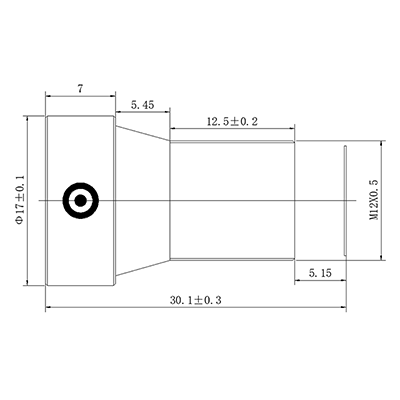

Looking for Low-Distortion Machine Vision Lenses?
Towin provides high-performance machine vision lenses designed for accurate imaging, dimensional inspection, robotics guidance, and industrial automation applications.
Let’s Build the Right Optical Solution Together
Have a question, need a quote, or want to discuss your project? Our optical experts are ready to help.

Expert Support
Get professional advice from our optical engineers.

Tailored Solutions
We provide customized lens solutions that fit your application.

Reliable Quality
High-quality manufacturing with strict testing and quality control.

Fast Response
We value your time and will get back to you as soon as possible.
Send Us a Message