


M12 Lenses for Machine Vision & Industrial Imaging
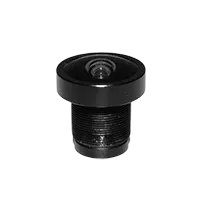
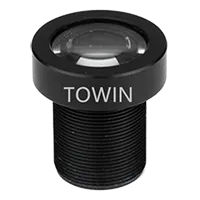
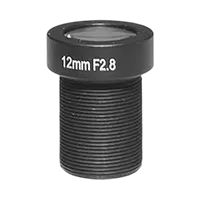
An M12 lens is a compact board lens with an M12×0.5 thread, widely used in board cameras and embedded imaging systems. It offers a cost‑effective, lightweight and space‑saving solution for various vision applications.
M12 lenses are ideal for machine vision, robotics, automotive (ADAS), security, drones and other industrial imaging scenarios. TOWIN provides a wide range of high‑quality M12 lenses with different focal lengths, fields of view, and optical features to meet diverse application needs, including low distortion, wide angle, fisheye, pinhole and low‑light designs.
 Compact
Size
 High
Resolution
 Customizable
Design
 Reliable
Quality
What is an M12 Lens?

M12 Lens Product Database
Browse TOWIN's M12 lens portfolio by focal length, sensor size, field of view, resolution, distortion, aperture and other optical parameters to find a suitable lens for your camera system.
Lens P/N | E.F.L. | Sensor | H. F.O.V. | MP | Max Dist. | FNo. | Iris | T.T.L. |
|---|---|---|---|---|---|---|---|---|
1.5mm | 1/3" | 115° | MP | 45% | 2.0 | Fixed | 12.24 | |
2.1mm | 1/3" | 138° | MP | 81% | 2.1 | Fixed | 14.42±0.2 | |
2.3mm | 1/3" | 115° | 1.3MP | 19% | 2.5 | Fixed | 13.04±0.2 | |
1.0mm | 1/4" | 195° | MP | 118% | 1.6 | Fixed | 14 | |
1.17mm | Φ4.6 | 165° | 640*480 | 68% | 2.0 | Fixed | 13 | |
1.5mm | 1/4" | 135° | MP | 18% | 2.0 | Fixed | 14.84 | |
2.0mm | 1/2.7" ⋅ 1/2.8" | 154° ⋅ 165° | 2MP | 1.8 | Fixed | 13.2 | ||
2.0mm | 1/4" ⋅ 1/3" | 102° ⋅ 140° | MP | 95% | 2.4 | Fixed | 14.42 | |
2.0mm | 1/4" ⋅ 1/3" | 102° ⋅ 140° | MP | 39% ⋅ 95% | 2.4 | Fixed | 14.42 | |
2.2mm | 1/4" | 120° | 1.3MP | 81% | 1.8 | Fixed | 16 | |
2.3mm | 1/2.8" | 118° ⋅ 145° | 3MP | 30% | 2.2 | Fixed | 16.85 | |
2.3mm | 1/2.9″ | 125° | 2MP | 39% | 2.2 | Fixed | 15.17 | |
2.7mm | 1/2.7" | 141° | 2MP | 39% | 2.0 | Fixed | 16.85 | |
2.7mm | 1/3" | 116° | 3MP | 66% | 2.5 | Fixed | 14.5 | |
3.0mm | 1/2.3" | 123° | 12.5MP | 68% | 2.4 | Fixed | 15.91 | |
3.3mm | 1/4" | 70° | MP | 7% | 2.2 | Fixed | 17.24 | |
3.4mm | 1/2.5" | 102° | 5MP | 28% | 3.2 | Fixed | 18 | |
3.7mm | 1/2.3" | 101° ⋅ 97° | 5MP | 30% | 2.0 | 15.91 | ||
4.3mm | 1/2.5" | 74° | 3MP | 28% | 2.2 | Fixed | 21.2 | |
5mm | 1/2.5" | 70° | 2MP | 6% | 1.6 | Fixed | 22.4 |
M12 Lens Types
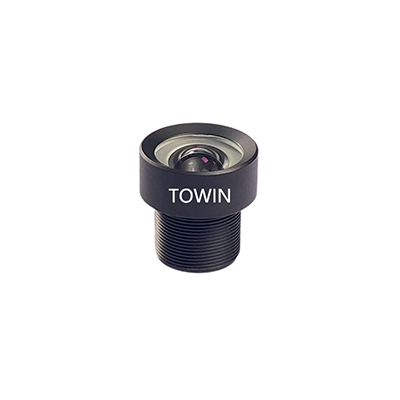
Low Distortion M12 Lenses
Ideal for machine vision and measurement applications requiring high geometric accuracy.
- Machine vision
- Measurement
- Inspection
- Object recognition
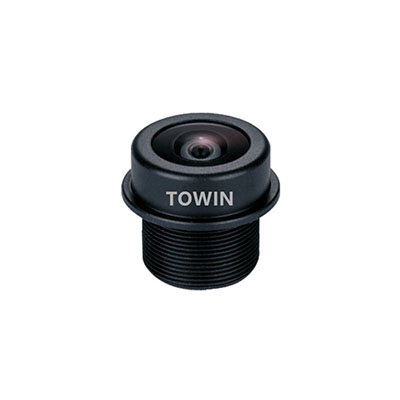
Wide Angle M12 Lenses
Provides a broader field of view, suitable for robotics and compact vision systems.
- Robotics
- Embedded cameras
- Monitoring
- Compact systems

Fisheye M12 Lenses
Offers ultra-wide coverage and 180°+ field of view, perfect for surround view and compact cameras.
- Wide-area imaging
- Surround view
- Compact cameras
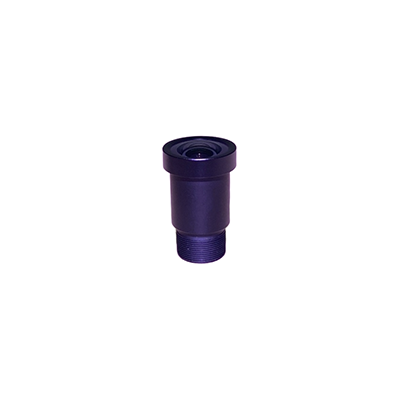
Automotive M12 Lenses
Designed for ADAS and automotive cameras with reliable performance in harsh environments.
- ADAS
- Automotive cameras
- Surround view
- Vehicle monitoring
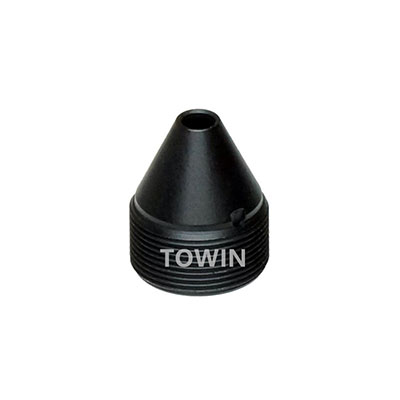
Pinhole M12 Lenses
Compact and discreet lenses for covert imaging and security applications.
- Covert imaging
- Security
- Embedded systems

Low-Light M12 Lenses
Features large aperture and enhanced light gathering for low illumination environments.
- Large aperture
- Low illumination
- Night imaging
M12 Lens Specifications and Selection Factors
| Parameter | Why It Matters |
|---|---|
| Sensor Size | Determines image circle compatibility (e.g., 1/4", 1/2.8", 1/2", etc.) |
| Focal Length | Controls the field of view and scene coverage |
| FOV (Field of View) | Determines the area captured by the lens |
| Resolution | Must match the camera sensor resolution (e.g., 2MP, 5MP, 8MP) |
| Distortion | Important for measurement and machine vision applications |
| Aperture (FNo.) | Affects light gathering, image brightness and depth of field |
| Mount | M12×0.5 mechanical interface for compact cameras |
| TTL(Total Track Length) | Important for camera and mechanical integration |
| IR Correction | Essential for day/night or NIR imaging |
| Working Distance | Influences focus and imaging performance |
Related Knowledge & Selection Guides
Sensor Guide
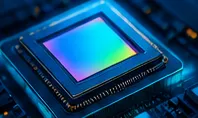
Learn about camera sensor size, pixel size, sensor selection and compatibility to ensure the best lens performance.
Explore Sensor Guide →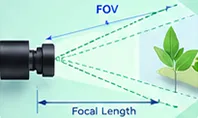
Lens Selection Guide
Understand how sensor size, focal length, FOV, working distance, resolution and distortion affect lens selection.
Explore Lens Selection Guide →How to Choose an M12 Lens
Selecting the right M12 lens is essential to achieve optimal imaging performance and ensure compatibility with your camera system. Here are the key factors to consider when choosing an M12 lens.
Make sure the lens image circle fully covers the camera sensor to avoid vignetting and ensure clear imaging.
Shorter focal lengths provide a wider field of view (FOV), while longer focal lengths offer a narrower view and more detail at distance.
Use TOWIN's FOV Calculator to estimate the ideal focal length and field of view based on your camera sensor and installation distance.
Go to FOV Calculator →Choose a lens that matches your camera sensor resolution, such as VGA, 2MP, 5MP, 8MP, 12MP, 16MP or 20MP, to ensure sharp and detailed images.
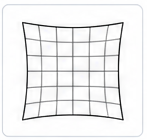
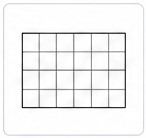
For measurement and inspection applications, low distortion is crucial to maintain geometric accuracy and reliable image analysis.
A proper aperture (F-number) helps control light intake and depth of field, while considering low-light performance ensures clear images in challenging environments.


M12 Lens Applications
M12 lenses are widely used across various industries, from machine vision and robotics to automotive and security. Below are some common applications and the recommended characteristics for M12 lenses.
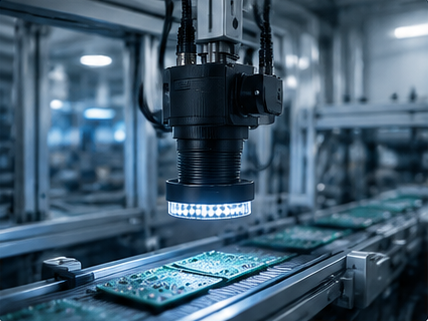
Used for industrial inspection, defect detection and high-precision measurement.
- High resolution
- Low distortion
- Stable focus
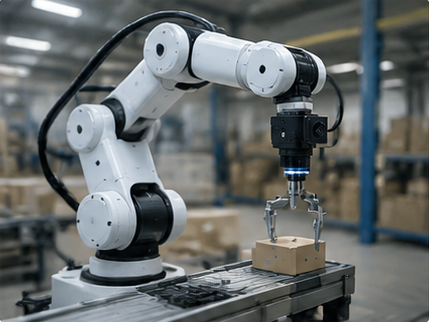
Ideal for robotic arms and intelligent systems requiring compact design and wide field of view.
- Compact size
- Wide FOV
- Low distortion
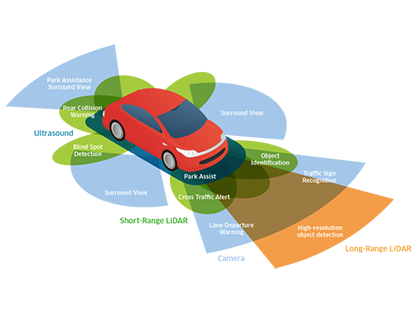
Applied in automotive cameras for surround view, driver monitoring and advanced safety.
- Wide angle
- Automotive design
- High reliability
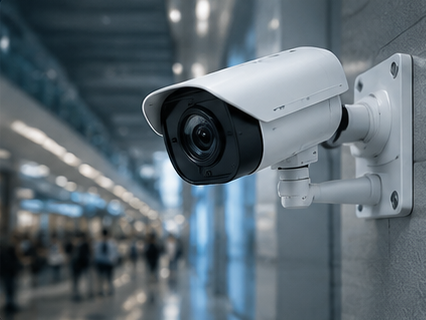
Used in surveillance, face recognition and video monitoring systems.
- Wide angle
- Low-light performance
- High resolution
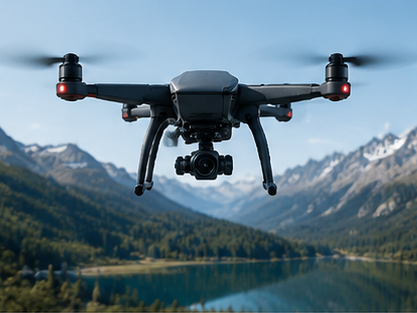
Suitable for aerial photography and mapping applications requiring lightweight and high image quality.
- Lightweight
- Low distortion
- Wide FOV
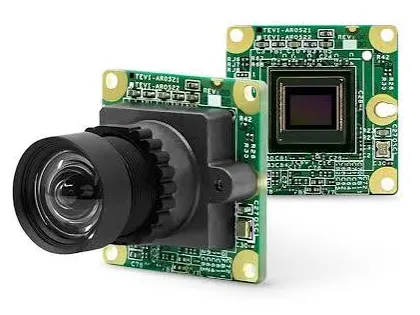
Ideal for compact cameras in IoT devices, industrial equipment and smart terminals.
- Small size
- Customizable
- Reliable quality
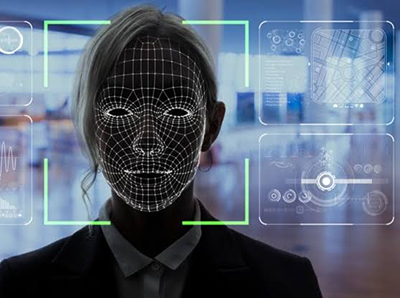
Used in access control, identity verification and smart terminals with high accuracy requirements.
- High resolution
- Low distortion
- IR correction
Why Choose TOWIN for M12 Lenses?
As a professional optical manufacturer, TOWIN is committed to delivering high-performance M12 lenses with reliable quality and flexible customization. We combine advanced optical design, precision manufacturing and strict quality control to meet the diverse needs of global customers.

Professional optical engineering for excellent image quality and low distortion.

Flexible design to meet specific sensor, FOV, and mechanical requirements.

Fast prototyping service to validate your ideas and accelerate development.

Full support for OEM and ODM projects, from design to mass production.

Accurate MTF testing to ensure optical performance and image sharpness.

Advanced optical calibration to minimize distortion and improve imaging accuracy.

Durable and precise mechanical structure for stable performance in various environments.

Stable supply chain and efficient production to meet large-scale demands.

Strict quality inspection at every stage to ensure consistent and reliable products.
Learn more about TOWIN as an industrial lens manufacturer.
M12 Lens Selection Resources
Explore our helpful resources to learn more about lens selection and optical design. These tools and guides will help you choose the right M12 lens for your specific application.
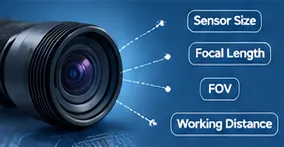
Learn how sensor size, FOV, focal length, working distance and resolution affect lens selection.
Explore Now →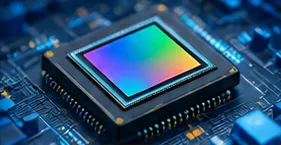
Understand sensor size, pixel size and sensor compatibility for optimal lens matching.
Explore Now →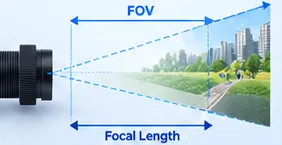
Calculate the required focal length and field of view for your camera system.
Try FOV Calculator →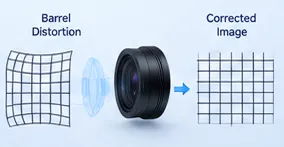
Understand barrel, pincushion and other types of optical distortion and how to control them.
Explore Now →Frequently Asked Questions
Need a Custom M12 Lens?
Tell us your sensor size, focal length, FOV, resolution, distortion, working distance, and mechanical requirements. TOWIN can help evaluate the optical design and recommend a suitable M12 lens.