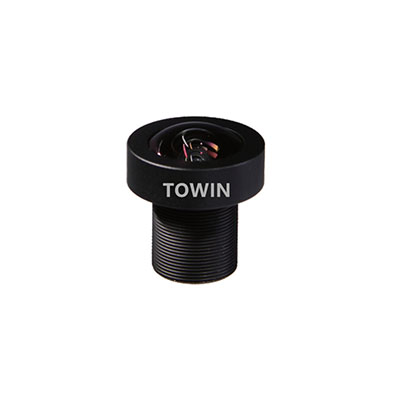



Why Is Low-Light Performance Important in Security Cameras?
07/28/2026
Why Are Lightweight Lenses Important for Drones?
08/01/2026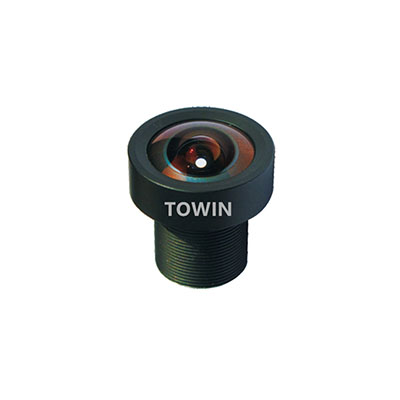
Drone lenses play an important role in modern UAV imaging systems, and many engineers ask: can drone lenses support thermal imaging? The answer is yes, but thermal imaging requires specially designed optical solutions that match infrared wavelengths, thermal sensors, field of view requirements, and environmental conditions.
Unlike conventional visible-light cameras, thermal imaging systems detect infrared radiation instead of visible light. Therefore, the lens used in a drone thermal camera must provide high infrared transmission, accurate optical performance, and compatibility with thermal sensors.
With the rapid development of industrial drones, thermal UAV applications have expanded into inspection, security monitoring, agriculture, search and rescue, and energy management. Selecting the correct thermal imaging lens has become a critical factor in achieving reliable image quality and detection accuracy.
For more information about professional UAV optical solutions, explore our Drone Imaging Lens Solutions designed for aerial imaging, industrial inspection, and customized drone applications.
Can Drone Lenses Support Thermal Imaging?
Yes, drone lenses can support thermal imaging when they are specifically designed for infrared applications. However, not every standard camera lens is suitable for thermal imaging because visible-light lenses and infrared optical lenses operate under different optical requirements.
Traditional drone camera lenses are mainly optimized for visible wavelengths between approximately 400nm and 700nm. Thermal imaging systems, however, detect infrared radiation, which requires specialized optical materials and designs.
Visible Light Imaging vs Thermal Imaging
| Parameter | Visible Imaging Lens | Thermal Imaging Lens |
|---|---|---|
| Operating Wavelength | 400nm – 700nm | 850nm – 14μm |
| Sensor Type | CMOS / CCD | Thermal Detector |
| Main Function | Color Image Capture | Heat Detection |
| Optical Material | Glass Lens | IR Optical Materials |
| Applications | Aerial Photography, Mapping | Inspection, Surveillance, Search & Rescue |
Thermal drone systems commonly use infrared optical materials such as germanium, silicon, or specialized infrared glass because these materials provide better transmission in infrared wavelength ranges.
How Thermal Imaging Works in Drone Systems
A thermal imaging drone system is not only composed of a camera sensor. It is a complete optical and electronic imaging system that includes the drone platform, thermal lens, infrared sensor, image processor, and intelligent analysis software.
Drone Thermal Imaging System Architecture
| Component | Function |
|---|---|
| Drone Platform | Provides aerial mobility and flight control |
| Thermal Camera Module | Captures infrared radiation |
| Thermal Lens | Focuses infrared energy onto the sensor |
| Infrared Sensor | Converts thermal radiation into electrical signals |
| Image Processor | Processes thermal data and enhances images |
| AI Analysis System | Provides detection and intelligent decision making |
The thermal lens is one of the most important optical components because it determines image sharpness, detection distance, field of view, and overall system performance.
Why Thermal Lens Design Matters
A properly designed thermal lens needs to solve several optical challenges:
- High infrared transmission to maximize sensor sensitivity
- Low optical distortion for accurate measurement
- Stable performance under temperature changes
- Compact and lightweight structure for drone payload limitations
- Matching the thermal sensor format and resolution
For drone manufacturers and system integrators, choosing the right optical design is essential because the lens directly affects thermal image quality and operational efficiency.
Difference Between Standard Drone Lenses and Thermal Imaging Lenses
Although both standard camera lenses and thermal lenses are used in drone imaging systems, their optical designs are significantly different.
| Feature | Standard Drone Lens | Thermal Drone Lens |
|---|---|---|
| Light Source | Visible Light | Infrared Radiation |
| Wavelength Range | Visible Spectrum | NIR / MWIR / LWIR |
| Lens Material | Optical Glass | Infrared Materials |
| Image Output | Color Image | Temperature Distribution |
| Typical Applications | Photography, Mapping | Inspection, Security, Rescue |
For example, a drone used for power line inspection may require a thermal lens capable of detecting abnormal heat patterns, while an aerial mapping drone may prioritize high resolution and low distortion performance.
This difference explains why specialized drone lenses are required for thermal imaging applications rather than simply adapting standard camera optics.
Key Parameters for Thermal Drone Lens Selection
Selecting the correct thermal imaging lens requires understanding several important optical parameters. A suitable lens must match the drone platform, thermal sensor, application distance, and environmental requirements.
1. Infrared Wavelength Compatibility
The first consideration when selecting a thermal drone lens is wavelength compatibility. Different infrared applications use different wavelength ranges.
| Application | Typical Wavelength |
|---|---|
| Night Vision Assistance | 850nm / 940nm |
| Near Infrared Imaging | 700nm – 1000nm |
| MWIR Thermal Imaging | 3μm – 5μm |
| LWIR Thermal Imaging | 8μm – 14μm |
A mismatch between the lens wavelength range and the thermal sensor can significantly reduce image quality and detection performance.
2. Thermal Sensor Compatibility
Thermal sensors come in different formats and resolutions. The lens must provide sufficient image coverage and optical performance for the selected sensor.
| Thermal Sensor | Lens Requirement |
|---|---|
| 320 × 240 | Compact thermal lens design |
| 640 × 512 | High resolution thermal optics |
| 1280 × 1024 | Precision infrared optical design |
Sensor matching is especially important because an unsuitable lens may limit the resolution capability of the thermal camera module.
3. Field of View (FOV)
Field of view determines how much area the drone camera can observe at a specific distance.
| FOV Type | Recommended Applications |
|---|---|
| Wide FOV | Search and rescue, surveillance, agriculture |
| Medium FOV | Industrial inspection, infrastructure monitoring |
| Narrow FOV | Long-distance detection and detailed inspection |
Choosing the correct FOV helps balance coverage area and detection accuracy.
4. Infrared Transmission Performance
Unlike visible imaging systems, thermal imaging depends heavily on infrared transmission efficiency. A high-performance thermal lens should minimize optical losses and deliver maximum infrared energy to the sensor.
- High transmission efficiency improves thermal sensitivity.
- Optimized optical coatings reduce infrared energy loss.
- Precision optical design improves image clarity.
5. Lens Weight and Mechanical Design
Drone systems have strict payload limitations. Therefore, lightweight optical designs are important for maintaining flight endurance and system stability.
| Parameter | Typical Requirement |
|---|---|
| Weight | 3g – 20g |
| Mount | M12 / C Mount |
| Operating Temperature | -40°C to 85°C |
| Mechanical Stability | Anti-vibration Design |
For lightweight UAV platforms, compact thermal optical solutions can improve flight efficiency while maintaining imaging performance.
How to Choose a Thermal Imaging Lens for Drones
Choosing the right thermal imaging lens requires evaluating the complete drone imaging system rather than selecting a lens only based on focal length. Engineers need to consider the thermal sensor, detection distance, field of view, weight limitations, and optical performance requirements.
Thermal Drone Lens Selection Flow
A practical selection process can follow these steps:
- Select the Thermal Sensor
Determine the sensor resolution, detector type, and active imaging area. - Confirm Infrared Wavelength
Choose the correct optical design based on NIR, MWIR, or LWIR requirements. - Define Detection Distance
Long-distance inspection requires narrower FOV and higher optical precision. - Select Required Field of View
Choose wide, medium, or narrow FOV according to the application. - Match Sensor Size
Ensure the lens image circle covers the thermal sensor format. - Evaluate Lens Weight
Confirm that the lens meets drone payload limitations. - Verify Optical Performance
Check transmission efficiency, distortion, resolution, and stability. - Select the Appropriate Lens Solution
Choose a thermal lens optimized for the specific UAV application.
Following this process helps drone manufacturers and system integrators avoid optical mismatches and achieve reliable thermal imaging performance.
Thermal Drone Imaging Applications
Thermal imaging has become increasingly important in drone applications because it allows operators to detect heat differences that cannot be seen by conventional cameras.
1. Industrial Inspection Drones
Industrial inspection drones use thermal cameras to monitor equipment conditions and identify abnormal temperature patterns.
Typical requirements include:
- High thermal sensitivity
- Stable infrared transmission
- Long-distance detection capability
- Accurate temperature measurement
Common applications include power line inspection, solar panel monitoring, and factory equipment inspection.
2. Search and Rescue Drones
Thermal drones are widely used in emergency response because they can detect human heat signatures in low-light or nighttime environments.
Recommended optical requirements:
- Wide field of view
- Lightweight lens design
- High infrared sensitivity
- Fast image acquisition
3. Security and Surveillance Drones
Security drones require continuous operation in different lighting conditions. Thermal imaging allows monitoring during nighttime, fog, and low-visibility environments.
Important lens requirements include:
- 850nm / 940nm infrared compatibility
- Low distortion optical design
- Compact mechanical structure
- Weather-resistant performance
4. Agriculture Monitoring Drones
Thermal drone systems help farmers analyze crop conditions, irrigation problems, and plant stress.
Recommended features:
- Wide coverage area
- Lightweight construction
- Stable optical performance
- Compatibility with multispectral systems
Recommended Thermal Drone Lens Categories
Different drone applications require different optical solutions. TOWIN provides customized lens designs for various UAV imaging requirements.
| Lens Type | Main Features | Applications |
|---|---|---|
| Thermal Imaging Lens | Infrared optimized transmission, sensor matching | Thermal inspection, security monitoring |
| Wide Angle IR Lens | Large coverage area, compact design | Search and rescue, surveillance |
| Low Distortion Lens | High accuracy imaging, reduced optical error | Mapping and measurement |
| M12 Lens | Small size, lightweight, flexible integration | Compact UAV camera modules |
For compact drone camera systems, explore our M12 Lens Solutions designed for high-resolution embedded imaging applications.
Drone Imaging Lens Solutions from TOWIN
Developing a thermal drone system requires more than selecting an optical component. Lens design must be optimized according to the camera module, sensor characteristics, application environment, and mechanical requirements.
TOWIN provides customized optical solutions including:
- Thermal and infrared optical lens design
- Compact lightweight UAV lenses
- Low distortion imaging solutions
- M12 and C mount lens integration
- OEM and ODM optical customization
Learn more about our complete Drone Imaging Lens Solutions for aerial imaging, UAV inspection, and intelligent vision systems.
Frequently Asked Questions
Can drone lenses support thermal imaging?
Yes. Specialized drone lenses can support thermal imaging when they are designed for infrared wavelengths and matched with thermal sensors. Standard visible-light lenses usually cannot provide the required infrared transmission performance.
What wavelength do thermal drone lenses use?
Thermal imaging lenses may operate in different infrared ranges, including near infrared wavelengths such as 850nm and 940nm, as well as MWIR and LWIR thermal bands depending on the detector type.
Can normal drone camera lenses be used for thermal imaging?
No. Conventional drone camera lenses are optimized for visible light and may not transmit infrared energy efficiently. Thermal imaging requires optical materials and designs optimized for infrared wavelengths.
What materials are used in thermal imaging lenses?
Thermal imaging lenses commonly use infrared optical materials such as germanium, silicon, and specialized infrared glass because these materials provide better infrared transmission.
Are thermal drone lenses heavier than normal drone lenses?
The weight depends on the optical design and application requirements. Modern thermal lens designs focus on compact structures and lightweight construction to meet UAV payload limitations.
What field of view is best for thermal drones?
The ideal field of view depends on the application. Wide FOV lenses are suitable for search and surveillance, while narrow FOV lenses are better for long-distance inspection.
Can M12 lenses be used for infrared drone applications?
Yes. Many M12 lenses are suitable for compact infrared and embedded camera applications when wavelength compatibility and sensor requirements are properly considered.
You can also learn more about optical fundamentals through our Lens Basics Guide .
How do I select the right thermal drone lens?
The selection process should consider the thermal sensor, infrared wavelength, field of view, focal length, weight, transmission efficiency, and application environment.
Conclusion
Can drone lenses support thermal imaging? Yes, but successful thermal imaging requires specially designed optical solutions that match infrared wavelengths, thermal sensors, and UAV application requirements.
From industrial inspection and security monitoring to agriculture and search-and-rescue operations, thermal imaging performance depends heavily on selecting the correct optical lens design. Factors such as wavelength compatibility, sensor matching, field of view, distortion control, and lightweight construction all influence the final imaging result.
High-performance drone lenses enable UAV systems to achieve reliable thermal detection, improved operational efficiency, and better image quality in challenging environments.
Explore TOWIN’s Drone Imaging Lens Solutions to discover customized optical solutions for thermal imaging drones, aerial inspection systems, and advanced UAV vision applications.