


Fixed aperture vs variable aperture lenses
08/14/2025
3.1mm wide angle F1.8 M12 S-mount CCTV lens
08/14/2025
Photography is an art form that thrives on versatility, creativity, and the ability to adapt to ever-changing scenarios. Whether you’re capturing landscapes, portraits, or action shots, having the right equipment can make all the difference. One such indispensable tool in a photographer’s arsenal is the zoom lens.
What Is a Zoom Lens and Its Function?
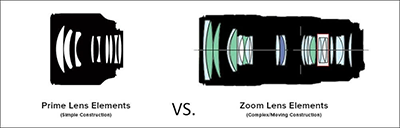
A zoom lens is a type of camera lens that enables photographers to change the focal length continuously within a specified range. Unlike prime lenses, which have a fixed focal length, zoom lenses provide variable magnification, allowing you to zoom in (telephoto) or zoom out (wide-angle) as needed. This functionality makes them incredibly versatile, suitable for everything from wildlife photography to street shooting.
The primary function of a zoom lens is to offer flexibility in framing shots without physically moving closer or farther from the subject. For instance, if you’re photographing a bird perched on a distant tree branch, a zoom lenses lets you capture sharp details without disturbing the creature. Similarly, when shooting a sweeping landscape, you can zoom out to include more of the scene in the frame.
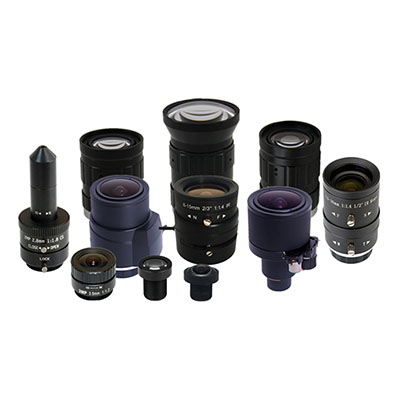
Types of zoom lenses and usage recommendations
How Does a Zoom Lens Work?
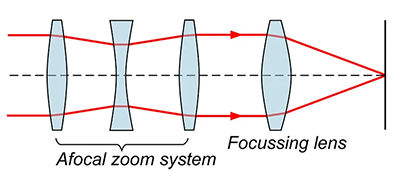
The mechanics of a zoom lens are fascinating. Inside the lens barrel, there are multiple groups of glass elements that move relative to one another when you adjust the zoom ring. These movements alter the path of light entering the lens, effectively changing the focal length. Some zoom lenses also feature image stabilization technology, which compensates for camera shake, ensuring crisp images even at longer focal lengths.
Modern zoom lenses are designed with precision optics to minimize distortion, chromatic aberration, and vignetting. High-quality zoom lenses, such as those from reputable brands like Canon, Nikon, or Sony, often incorporate advanced coatings and aspherical elements to enhance image quality across the entire zoom range.
Key Benefits of Using a Zoom Lens
- Versatility: A single zoom lens can replace several prime lenses, saving space and weight in your camera bag. For travel photographers, this is a game-changer, as it reduces the need to carry multiple lenses for different scenarios.
- Speed: With a zoom lenses, you can quickly adapt to changing conditions. Whether you’re capturing a fast-moving subject or adjusting to unexpected lighting, the ability to zoom in or out instantly gives you an edge.
- Creativity: Zoom lenses empower you to experiment with composition on the fly. You can play with perspective, depth of field, and framing without interrupting your workflow.
- Convenience: Swapping lenses in dusty or wet environments can be risky. A zoom lenses eliminates this hassle, keeping your camera sensor protected from debris.
Zoom Lens
Choosing the Right Zoom Lens
Selecting the ideal zoom lens depends on your photography style and budget. Here are some factors to consider:
- Focal Range: Look for a zoom lens that covers the focal lengths you use most frequently. For example, a 24-70mm lens is excellent for general-purpose photography, while a 70-200mm lens is ideal for sports or wildlife.
- Aperture: A wider maximum aperture (e.g., f/2.8) allows more light to enter the lens, making it suitable for low-light conditions and achieving shallow depth of field. However, lenses with wider apertures tend to be heavier and more expensive.
- Image Stabilization: If you plan to shoot handheld at longer focal lengths, opt for a lens with built-in stabilization to reduce blur caused by camera shake.
For those interested in exploring high-performance zoom lenses, websites like B&H Photo Video offer detailed reviews and comparisons to help you make an informed decision.Recommended Reading: Types of zoom lenses and usage recommendations
Common Misconceptions About Zoom Lenses
Despite their many advantages, zoom lenses sometimes face criticism. One common myth is that they produce inferior image quality compared to prime lenses. While it’s true that some budget-friendly zoom lenses may exhibit softness at certain focal lengths, modern designs have closed this gap significantly. Many professional-grade zoom lenses now deliver image quality that rivals or even surpasses that of prime lenses.
Another misconception is that zoom lenses are bulky and heavy. While this was once the case, manufacturers have made tremendous strides in creating compact, lightweight zoom lenses without sacrificing performance. For example, mirrorless camera systems have spurred the development of smaller, more portable zoom lenses that don’t compromise on features.
Zoom Lens
Conclusion
A zoom lens is a powerful tool that offers unmatched flexibility, convenience, and creative potential. Whether you’re a hobbyist looking to expand your skills or a professional seeking reliable performance, investing in a high-quality zoom lens can transform your photography. By understanding its function, benefits, and how to choose the right model, you can unlock new possibilities and take your images to the next level.