


Achromatic S-Mount Lens for Color Imaging
08/08/2025
Low Distortion Telecentric Lens
08/08/2025
Zoom lenses are indispensable tools for photographers, offering versatility and convenience without the need to swap lenses constantly. Whether you’re capturing landscapes, portraits, or action shots, understanding the different types of zoom lenses and their applications can elevate your photography.
1. Standard Zoom Lenses: The All-Rounders
Standard zoom lenses, such as 24-70mm or 28-105mm, are the workhorses of many photographers’ kits. They cover a practical focal range from wide-angle to short telephoto, making them ideal for everyday shooting.
Key Features:
- Versatility: Suitable for landscapes, portraits, street photography, and travel.
- Compact Design: Lightweight and easy to carry, perfect for on-the-go shooting.
- Moderate Aperture: Typically f/2.8 to f/4, offering a balance between light gathering and depth of field.
Usage Recommendations:
- Use a 24-70mm f/2.8 for events or weddings where you need flexibility.
- Opt for a slower aperture (e.g., 28-105mm f/4) for travel photography to reduce weight.
- Pair with image stabilization for handheld shooting in low light.
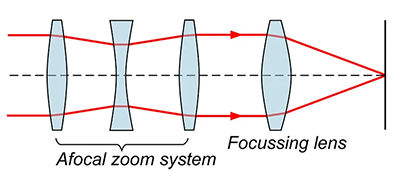
Zoom Lens
2. Telephoto Zoom Lenses: Capturing Distant Subjects
Telephoto zoom lenses, like 70-200mm or 100-400mm, excel at bringing distant subjects closer. They’re essential for wildlife, sports, and portrait photography.
Key Features:
- Long Focal Range: Enables framing tight shots from afar.
- Shallow Depth of Field: Creates beautiful background blur (bokeh) at wider apertures.
- Heavier Build: Often weather-sealed for durability in harsh conditions.
Usage Recommendations:
- Use a 70-200mm f/2.8 for indoor sports or portrait sessions with controlled lighting.
- Choose a 100-400mm f/4.5-5.6 for wildlife or aviation photography where distance is a factor.
- Enable image stabilization if your lens supports it to counteract camera shake.
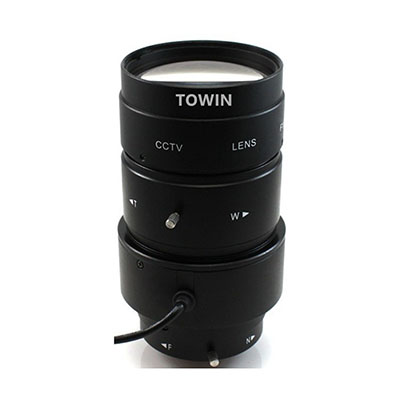
1/2″ 15-45mm IR Corrected Lens , CCTV Lens
3. Wide-Angle Zoom Lenses: Expanding Your Perspective
Wide-angle zoom lenses, such as 16-35mm or 12-24mm, capture expansive scenes with dramatic flair. They’re perfect for landscapes, architecture, and interior shots.
Key Features:
- Broad Field of View: Fits more into the frame, emphasizing scale and context.
- Deep Depth of Field: Keeps most of the scene in focus, ideal for group shots.
- Distortion Control: Modern lenses minimize edge distortion for cleaner images.
Usage Recommendations:
- Use a 16-35mm f/4 for real estate photography to showcase room interiors.
- Opt for a 12-24mm f/2.8 for astrophotography or cityscapes at night.
- Avoid pointing the lens upward at buildings to prevent converging verticals; keep the camera level.
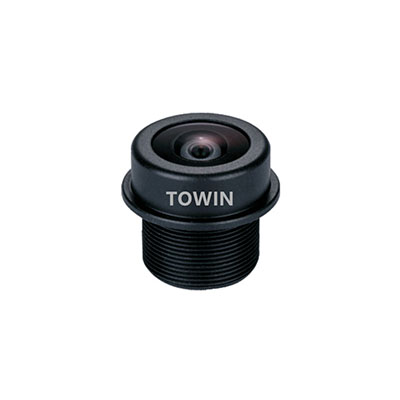
1.6mm F1.8 S-Mount Wide Angle Lens
4. Superzoom Lenses: The Jack-of-All-Trades
Superzoom lenses, like 18-300mm or 24-240mm, offer an extreme focal range in a single package. While they sacrifice some image quality for convenience, they’re invaluable for travel and casual shooting.
Key Features:
- Extreme Versatility: Covers wide-angle to telephoto in one lens.
- Compact and Lightweight: Reduces the need to carry multiple lenses.
- Variable Aperture: Typically f/3.5-5.6 or slower, limiting low-light performance.
Usage Recommendations:
- Use an 18-300mm for family vacations where swapping lenses isn’t practical.
- Pair with a tripod for stability when shooting at longer focal lengths.
- Accept minor compromises in sharpness for the sake of convenience.
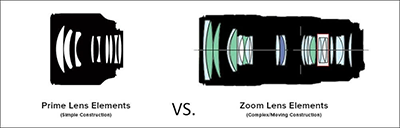
Zoom Lens
5. Macro Zoom Lenses: Getting Up Close and Personal
Macro zoom lenses, such as 24-70mm f/4 with macro capability or 70-180mm macro zooms, allow close-up photography without dedicated macro primes.Recommended Reading:What is a zoom lens in simple terms
Key Features:
- Close Focusing Distance: Enables detailed shots of flowers, insects, or products.
- Flexible Focal Range: Combines macro with standard or telephoto capabilities.
- Optical Stabilization: Critical for handheld macro shooting.
Usage Recommendations:
- Use a 24-70mm f/4 macro for food photography or jewelry shots.
- Opt for a 70-180mm macro zoom for insects or small wildlife without disturbing them.
- Shoot in manual focus for precise control over critical sharpness.
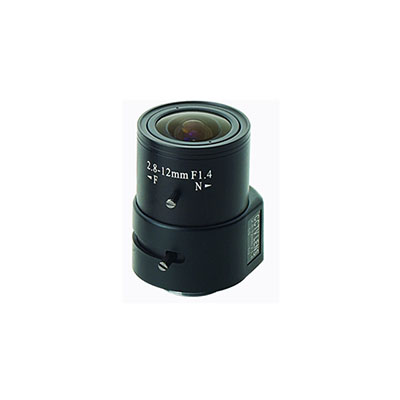
2.8-12mm DC Auto iris CS mount lens, Day/Night CCTV Lens
Choosing the Right Zoom Lens for Your Needs
Selecting the best zoom lens depends on your photography style and budget. Here’s a quick recap:
- Standard zooms are great for general use.
- Telephoto zooms shine in sports and wildlife.
- Wide-angle zooms excel in landscapes and architecture.
- Superzooms prioritize convenience over ultimate quality.
- Macro zooms bridge the gap between close-ups and everyday shooting.
Final Thoughts
Zoom lenses are transformative tools that empower photographers to adapt to diverse scenarios effortlessly. By understanding their strengths and limitations, you can make informed choices that enhance your creative vision.