


1.6mm F1.8 S-Mount Wide Angle Lens
08/05/2025
S-Mount Lens for Agricultural Drones
08/06/2025
A zoom lens is a game-changer for photographers seeking versatility without the hassle of swapping lenses. Unlike prime lenses, which have a fixed focal length, a zoom lenses allows you to adjust the angle of view—from wide-angle to telephoto—with a simple twist of the barrel. This flexibility makes it an indispensable tool for capturing dynamic scenes, whether you’re shooting landscapes, portraits, or action sports.
What Is a Zoom Lens?
A zoom lens is a type of camera lens that lets you change the focal length continuously within a specific range. For example, an 18–55mm zoom lens can shift from a wide-angle perspective (18mm) to a short telephoto view (55mm). This adjustability eliminates the need to carry multiple prime lenses, saving time and reducing gear weight.
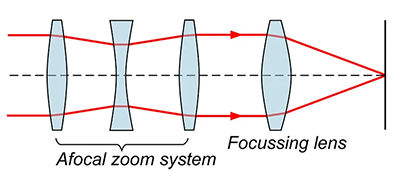
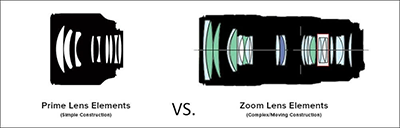
The core mechanism of a zoom lens involves moving optical elements inside the lens barrel. As you rotate the zoom ring, these elements shift position, altering the path of light to adjust the magnification. Modern zoom lenses use advanced designs to maintain image sharpness and minimize distortion across the focal range, though some compromises in aperture size or weight may occur compared to primes.
Key Components of a Zoom Lens
- Zoom Ring: The primary control for adjusting focal length. Turning it clockwise or counterclockwise changes the lens’s angle of view.
- Focal Length Range: Marked on the lens (e.g., 24–70mm), this indicates the minimum and maximum focal lengths available.
- Aperture: Some zoom lenses have a constant aperture (e.g., f/2.8), while others vary as you zoom (e.g., f/3.5–5.6). Constant apertures are preferable for low-light shooting.
- Image Stabilization: Many zoom lenses include built-in stabilization to counteract camera shake, crucial for handheld telephoto shots.
Zoom Lens
5 Amazing Benefits of Using a Zoom Lens
1. Unmatched Versatility
A zoom lens adapts to any situation. At a wedding, you can switch from capturing the entire venue (wide-angle) to a close-up of the bride’s smile (telephoto) without changing lenses. This flexibility is especially valuable in fast-paced environments like events or wildlife photography, where opportunities vanish in seconds.
2. Cost and Space Efficiency
Investing in a high-quality zoom lenses can save money compared to buying multiple prime lenses. For instance, a single 24–105mm zoom covers the range of several primes, reducing both upfront costs and long-term storage needs. It’s also ideal for travelers who want to pack light without sacrificing creative options.
3. Enhanced Composition Control
With a zoom lenses, you can experiment with framing without moving physically. This is useful in tight spaces (e.g., indoors) or when approaching a subject might disturb it (e.g., wildlife). By zooming in or out, you can refine compositions on the fly, ensuring every shot tells a story.
4. Faster Shooting Workflow
Swapping lenses mid-shoot risks missing critical moments and exposing your camera’s sensor to dust. A zoom lens keeps you shooting continuously, whether you’re covering a sports game or a street scene. This efficiency is why many photojournalists and event photographers rely on zoom lenses as their primary tool.
5. Ideal for Learning Photography
Beginners benefit from a zoom lens’s ability to explore different perspectives without needing technical knowledge of lens swaps. By experimenting with focal lengths, new photographers can quickly grasp concepts like compression, depth of field, and perspective distortion.Recommended Reading:Motorized zoom CCTV lens
Common Misconceptions About Zoom Lenses
“Zoom lenses are inferior to primes in image quality.”
- While some older or budget zoom lenses may exhibit softness at extreme focal lengths, modern designs rival prime lenses in sharpness.
“You need a tripod for all zoom lenses.”
- Many zooms now include optical stabilization, enabling sharp handheld shots even at long focal lengths.
“Zoom lenses are heavy and bulky.”
- Compact options like Sony’s 24–240mm travel zoom prove that versatility doesn’t have to mean sacrificing portability.
Zoom Lens
How to Choose the Right Zoom Lens
- 1. Define Your Needs: Are you shooting landscapes (wide-angle zooms like 16–35mm) or portraits (85–135mm telephoto)?
- 2. Check Aperture: A constant f/2.8 aperture is excellent for low light, but variable apertures (e.g., f/4–5.6) are lighter and cheaper.
- 3. Consider Weight: Travel photographers might prioritize lightweight zooms, while professionals may accept bulk for superior build quality.
Final Thoughts
A zoom lens is a powerful tool that empowers photographers to adapt, create, and capture life’s fleeting moments with ease. By understanding its mechanics and advantages, you can leverage this technology to elevate your craft—whether you’re a hobbyist or a seasoned pro. So, the next time you’re debating between lenses, remember: a zoom lens isn’t just about convenience; it’s about unlocking your full creative potential.