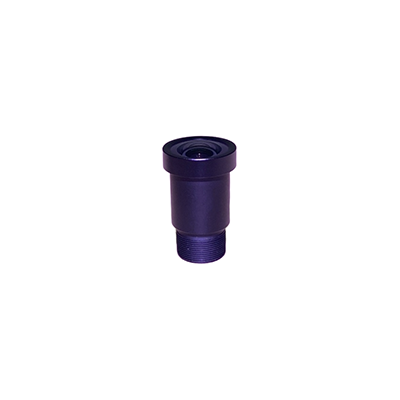



Best Fisheye lens supplier in the 360° surveillance field
05/13/2026
IR-Corrected Lens Supplier for Day and Night Vision Systems
05/15/2026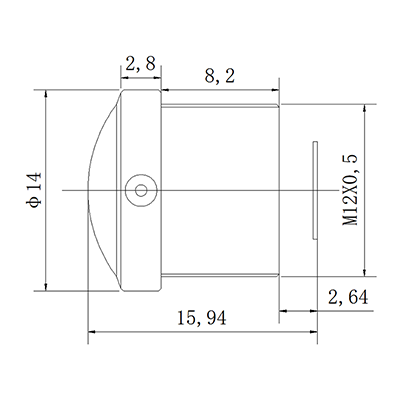
Introduction
As intelligent vehicles continue to evolve, the demand for high-performance automotive vision systems is rapidly increasing. Choosing a reliable Automotive Lens Supplier has become a key factor for ADAS manufacturers, autonomous driving developers, and smart vehicle integrators seeking stable imaging quality and long-term product reliability.
Modern vehicles rely on multiple cameras for functions such as:
- Forward collision warning
- Lane departure warning
- Blind spot detection
- Driver monitoring systems (DMS)
- Surround-view parking assistance
- Autonomous navigation
These systems depend heavily on optical precision. Even small image distortions or poor low-light performance can affect AI recognition accuracy and driving safety.
For this reason, automotive-grade lenses must deliver:
- Ultra-low distortion
- High resolution
- Wide dynamic range
- Temperature resistance
- Waterproof reliability
- Stable mass production consistency
In this article, we will explore how to select a trusted automotive lens partner, analyze critical optical parameters, and explain why high-quality automotive lenses are essential for ADAS and autonomous driving applications.
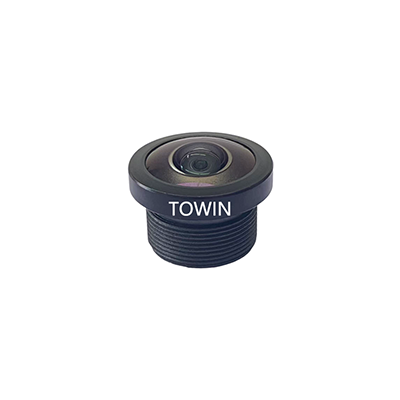
M12 Automotive Fisheye lens
What Is an Automotive Lens?
An automotive lens is a specialized optical lens designed for vehicle camera systems. Unlike consumer camera lenses, automotive lenses are engineered to operate reliably under harsh driving environments, including vibration, rain, dust, strong sunlight, and extreme temperatures.
These lenses are widely used in:
- ADAS cameras
- Rear-view cameras
- Surround-view systems
- Electronic mirrors
- Driver monitoring systems
- Autonomous driving sensor systems
Core Components of Automotive Lenses
Automotive lenses are built using precision optical and mechanical components.
- Main Components
- Optical lens elements
- Lens barrel structure
- Infrared filter compatibility
- Optical coating layers
- Sensor matching design
- Waterproof sealing structures
Each component directly affects image quality, durability, and AI detection performance.
Typical Automotive Camera Applications
| Application | Function | Typical Lens Type |
|---|---|---|
| Front ADAS Camera | Object recognition | Low distortion lens |
| Surround View System | 360° parking view | Fisheye lens |
| Rear View Camera | Reverse assistance | Wide-angle lens |
| DMS Camera | Driver monitoring | IR-sensitive lens |
| Autonomous Driving | Environmental perception | High-resolution lens |
Why Automotive Lenses Matter in ADAS & Autonomous Driving
ADAS and autonomous driving systems depend on accurate visual information. The lens acts as the “eye” of the vehicle camera system.
Poor optical performance may lead to:
- Incorrect object recognition
- Calibration errors
- Reduced night visibility
- Image edge deformation
- AI detection instability
A professional automotive optical system improves:
- Lane recognition accuracy
- Pedestrian detection
- Traffic sign identification
- Depth perception
- Environmental awareness
As vehicle automation increases, lens performance becomes even more important.
Key Technical Requirements for Automotive Lenses
Resolution Performance
Higher resolution improves object recognition accuracy.
Recommended Resolution Range
| Application | Recommended Resolution |
|---|---|
| Rear View Camera | 2MP–3MP |
| Surround View | 2MP–5MP |
| Front ADAS Camera | 5MP–8MP |
| Autonomous Driving | 8MP+ |
Why Resolution Matters
Higher resolution helps:
- Detect small road objects
- Improve AI training accuracy
- Enhance long-distance recognition
- Support intelligent driving algorithms
Field of View (FOV)
Field of View determines how much area the camera can capture.
| Lens Type | Typical FOV | Application |
|---|---|---|
| Standard Lens | 60°–90° | Front cameras |
| Wide-Angle Lens | 120°–150° | Rear cameras |
| Fisheye Lens | 180°–200° | Surround-view systems |
Important Considerations
A wider FOV provides:
- Better environmental coverage
- Reduced blind spots
- Improved parking assistance
However, wider angles may increase image distortion if optical design quality is poor.
Low Distortion Design
Distortion control is critical for ADAS calibration and AI recognition.
Benefits of Low Distortion
- More accurate object positioning
- Improved image stitching
- Better vehicle calibration
- Higher AI detection stability
Typical Automotive Requirement
| Parameter | Recommended Value |
|---|---|
| TV Distortion | <5% |
| Fisheye Calibration Accuracy | High precision |
| Edge Deformation | Minimal |
HDR & Low-Light Performance
Vehicles frequently operate in difficult lighting conditions.
Examples include:
- Tunnel entrances
- Night driving
- Strong sunlight
- Rainy weather
- Underground parking lots
High-quality automotive lenses help improve:
- HDR imaging
- Signal clarity
- Contrast stability
- Night visibility
Automotive Reliability Standards
Vehicle environments are far more demanding than consumer electronics.
Automotive Lens Requirements
| Reliability Factor | Requirement |
|---|---|
| Temperature Resistance | -40°C to +85°C |
| Waterproof Protection | IP67/IP69K |
| Shock Resistance | High durability |
| Vibration Resistance | Automotive grade |
| Long-Term Stability | Continuous operation |
How to Choose a Trusted Automotive Lens Supplier
Selecting the right supplier affects both product quality and project success.
Optical Design Capability
A professional supplier should provide:
- Customized optical solutions
- Sensor matching optimization
- Mechanical integration support
- Wide-angle optical design
- Distortion correction solutions
Strong optical engineering capability helps improve overall camera system performance.
Manufacturing Consistency
Mass production consistency is essential for automotive projects.
Key Manufacturing Factors
- Precision assembly
- Stable coating quality
- Strict tolerance control
- Automated inspection
- Consistent imaging performance
Inconsistent lenses may cause calibration issues and unstable AI performance.
Customization Support
Automotive projects often require customized specifications.
Common Customization Options
- Customized FOV
- Lens mount type
- Sensor compatibility
- Infrared coating
- Waterproof structure
- Mechanical dimensions
A flexible supplier can accelerate development cycles.
Quality Control & Testing
Reliable automotive lens manufacturers usually perform:
- Temperature cycling tests
- Vibration testing
- Waterproof testing
- MTF testing
- Distortion testing
- Environmental reliability verification
Engineering Support
Fast engineering response is important for overseas customers.
An excellent supplier should provide:
- Fast prototype support
- Technical consultation
- Optical optimization
- Stable communication
- Long-term cooperation capability
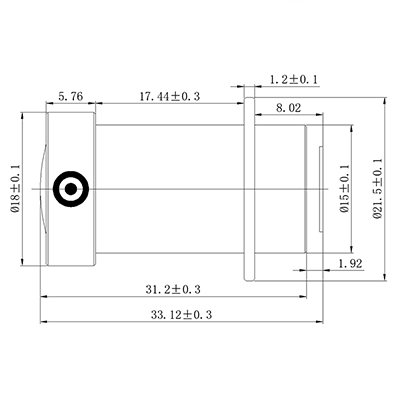
IP69K waterproof Lens
Recommended Automotive Lens Solutions
Different automotive applications require different optical configurations.
Front ADAS Camera Lens
Main Features
- Low distortion
- Long-distance recognition
- HDR optimization
- High-resolution support
Typical Applications
- Lane keeping systems
- Traffic sign recognition
- Forward collision warning
Surround View Fisheye Lens
Main Features
- 180°–200° ultra-wide angle
- Blind spot reduction
- Bird-view imaging support
Typical Applications
- Parking systems
- 360° surround view
- Intelligent parking assistance
Driver Monitoring System (DMS) Lens
Main Features
- IR sensitivity
- Cabin monitoring optimization
- Stable low-light imaging
Typical Applications
- Driver fatigue detection
- Attention monitoring
- Occupant sensing
Autonomous Driving Multi-Camera Lens
Main Features
- High-resolution compatibility
- Multi-camera synchronization
- Stable optical consistency
Typical Applications
- Robotaxis
- Autonomous logistics vehicles
- Smart transportation systems
Automotive Lens Selection Comparison Table
| Application | Recommended FOV | Resolution | Key Features |
|---|---|---|---|
| Front ADAS | 60°–120° | 5MP–8MP | Low distortion |
| Surround View | 180°–200° | 2MP–5MP | Ultra-wide coverage |
| Rear View | 120°–170° | 2MP–5MP | Waterproof design |
| DMS | 60°–90° | 2MP | IR optimization |
| Autonomous Driving | Multi-camera | 8MP+ | High precision |
Why Choose TOWIN as Your Automotive Lens Partner?
As a professional optical manufacturer, TOWIN provides customized automotive imaging solutions for ADAS and intelligent driving applications.
Advantages of TOWIN
Precision Optical Manufacturing
- Stable production quality
- Precision optical assembly
- Strict quality inspection
Custom OEM/ODM Support
- Customized lens solutions
- Sensor compatibility optimization
- Mechanical structure customization
Rich Industry Experience
Applications include:
- ADAS systems
- Smart transportation
- AI vision devices
- Robotics
- Autonomous driving systems
Global B2B Cooperation
TOWIN supports overseas customers with:
- Flexible project support
- Fast sampling
- Stable delivery capability
- Engineering communication
FAQs
Q1: What lens is used in ADAS cameras?
A1: ADAS cameras typically use low-distortion wide-angle lenses with high resolution and HDR compatibility.
Q2: Why is low distortion important in autonomous driving?
A2: Low distortion improves AI recognition accuracy and helps maintain reliable camera calibration.
Q3: What FOV is best for surround-view systems?
A3: Most surround-view systems use fisheye lenses with a field of view between 180° and 200°.
Q4: Can automotive lenses support 8MP sensors?
A4: Yes. Many advanced automotive lenses support 8MP and higher resolutions for autonomous driving applications.
Q5: Does TOWIN provide customized automotive lens solutions?
A5: Yes. TOWIN provides OEM/ODM optical customization based on customer project requirements.
Conclusion
As intelligent vehicles continue to develop, automotive camera systems are becoming increasingly important for safety, automation, and AI-based environmental perception. High-performance optical systems directly affect recognition accuracy, calibration stability, and driving reliability.
Choosing the right lens partner is not only about image quality — it also impacts engineering efficiency, production stability, and long-term project success. A reliable supplier should provide strong optical design capability, stable manufacturing processes, and professional technical support.
If you are looking for a trusted Automotive Lens Supplier for ADAS, surround-view systems, or autonomous driving projects, TOWIN can provide customized optical solutions designed for modern intelligent vehicle applications.