


What lenses are used in AGV and AMR systems?
06/14/2026
Can Robotics Cameras Work in Low Light?
06/15/2026
Introduction
In-vehicle Camera Lens plays a critical role in modern automotive vision systems by capturing accurate and stable images for intelligent driving applications such as ADAS, driver monitoring systems (DMS), surround view, and autonomous driving.
As automotive systems evolve toward higher levels of automation, the demand for high-performance optical lenses continues to increase. These lenses must deliver low distortion, wide field of view (FOV), and stable performance under extreme environmental conditions.
This guide explains the structure, specifications, selection criteria, and applications of In-vehicle Camera Lens, helping engineers and OEM manufacturers choose the right optical solution.
What is an In-vehicle Camera Lens?
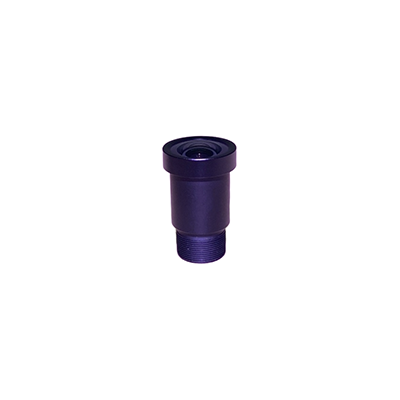
An In-vehicle Camera Lens is an optical component designed for automotive imaging systems. It is used to capture real-time visual data inside and outside vehicles.
- Front ADAS perception cameras
- Driver monitoring systems (DMS)
- Surround view (360° vision systems)
- Rear-view and parking assistance systems
- Autonomous driving perception modules
Explore related systems in our ADAS Camera Lens Solutions.
Applications of In-vehicle Camera Lens
Driver Monitoring System (DMS)
- Eye tracking and fatigue detection
- Infrared (IR) night monitoring
- Cabin behavior analysis
Surround View System (360° Vision)
- Parking assistance
- Blind spot elimination
- Multi-camera image stitching
Front ADAS Camera
- Lane departure warning
- Collision avoidance
- Traffic sign recognition
Autonomous Driving Systems
- AI-based environment perception
- Multi-sensor fusion systems
- Real-time object detection
Key Specifications of In-vehicle Camera Lens
| Parameter | Typical Requirement | Importance |
|---|---|---|
| Field of View (FOV) | 120° – 200° | Wide coverage for ADAS perception |
| Distortion | < 1% | Ensures accurate object detection |
| Sensor Compatibility | 1/4″ – 1″ | Determines image resolution quality |
| Wavelength | 850nm / 940nm / Visible | Supports night vision and IR systems |
| Operating Temperature | -40°C to +85°C | Automotive reliability requirement |
Learn more in our Sensor Guide.
M12 vs C-Mount for In-vehicle Camera Lens
| Feature | M12 Lens | C-Mount Lens |
|---|---|---|
| Size | Compact and lightweight | Larger and more stable |
| Application | Embedded vehicle systems | High-performance ADAS systems |
| Sensor Support | Small sensors (1/4″–1/2″) | Medium to large sensors (up to 1″) |
| Cost | Lower cost | Higher precision and cost |
For detailed comparison, visit our Machine Vision Lens Solutions.
How to Choose the Right In-vehicle Camera Lens
- Step 1: Define application (DMS, ADAS, or surround view)
- Step 2: Determine required field of view (FOV)
- Step 3: Match sensor size and resolution
- Step 4: Evaluate distortion requirements
- Step 5: Consider environmental conditions
Each factor directly affects system performance and imaging accuracy in automotive applications.
In-vehicle Camera Lens vs Industrial Lens
| Aspect | In-vehicle Camera Lens | Industrial Lens |
|---|---|---|
| Environment | High vibration, automotive conditions | Factory-controlled environment |
| Temperature Range | -40°C to +85°C | 0°C to +60°C |
| Reliability | Automotive-grade durability | Industrial-grade stability |
Explore more industrial solutions in our Solutions Hub.
Related ADAS Solutions
- ADAS Camera Lens Solutions
- Smart Traffic Vision Solutions
- Biometric Recognition Solutions
- Drone Imaging Solutions
FAQs
Q: What is an In-vehicle Camera Lens?
A: An In-vehicle Camera Lens is an optical lens designed for automotive imaging systems. It is used in ADAS, driver monitoring systems (DMS), surround view systems, and autonomous driving applications to capture high-quality real-time images inside and outside the vehicle.
Q: What FOV is required for ADAS systems?
A: ADAS systems typically require a wide field of view (FOV), usually between 120° and 200°, depending on the application. For example, surround view systems require ultra-wide FOV, while front ADAS cameras focus more on balanced distance and accuracy.
Q: Can automotive lenses work in extreme temperatures?
A: Yes. Automotive-grade In-vehicle Camera Lenses are designed to operate in harsh environments, typically from -40°C to +85°C. They are built with thermal stability and mechanical durability to ensure consistent performance in real-world driving conditions.
Q: What sensors are used in vehicle camera systems?
A: Vehicle camera systems commonly use CMOS image sensors from manufacturers such as Sony, ON Semiconductor, and OmniVision. Typical sensor sizes range from 1/4″, 1/3″, to 1/2.7″, depending on the resolution and application requirements.
Q: What is a low distortion automotive lens?
A: A low distortion automotive lens is designed to minimize image deformation, ensuring accurate object detection and measurement in ADAS systems. Low distortion is critical for applications such as lane detection, object recognition, and 360° surround view imaging.
Q: How does DMS camera lens work?
A: A DMS (Driver Monitoring System) camera lens captures images of the driver inside the vehicle. It is typically paired with infrared (IR) illumination to monitor eye movement, head position, and fatigue levels, improving driving safety and enabling advanced assistance features.
Conclusion
In-vehicle Camera Lens is a critical component in automotive vision systems, enabling ADAS, driver monitoring, and autonomous driving technologies with high accuracy and reliability.
Choosing the right one ensures optimal performance in safety, imaging quality, and system stability for modern automotive applications.