


Understanding Sensor Size in Industrial Cameras
05/31/2026
C-Mount vs M12 Lens: What’s the Difference?
06/02/2026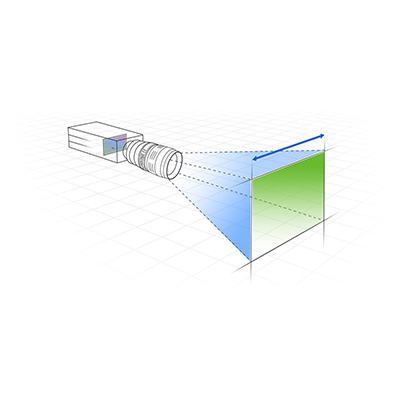
Introduction
In industrial automation and optical inspection systems, understanding how to Calculate Field of View for Machine Vision is essential for selecting the correct lens, camera, and working distance. An inaccurate field of view (FOV) can lead to cropped images, poor inspection accuracy, missed defects, and inefficient system performance.
Whether you are designing a PCB inspection system, robotic guidance platform, barcode scanning solution, or factory automation application, the ability to correctly calculate FOV directly affects image quality and inspection reliability.
This guide explains:
- What field of view means in machine vision
- The formulas used for FOV calculation
- How sensor size and focal length affect imaging
- Practical machine vision examples
- Lens selection recommendations
- Common calculation mistakes
- How to use an online FOV calculator effectively
By the end of this article, you will understand how to properly Calculate Field of View for Machine Vision and optimize your industrial imaging system for maximum performance.
What Is Field of View in Machine Vision?
Field of View (FOV) refers to the physical area visible to a camera at a specific working distance. In machine vision systems, FOV determines how much of the target object can be captured within a single image frame.
For example:
- A wide FOV captures larger objects or wider production lines.
- A narrow FOV focuses on smaller details for high-precision inspection.
In industrial applications, FOV affects:
- Detection accuracy
- Pixel density
- Measurement precision
- Object recognition
- Inspection efficiency
Typical applications include:
- PCB inspection
- Robotic positioning
- Semiconductor inspection
- Smart traffic systems
- Medical imaging
- Automated packaging inspection
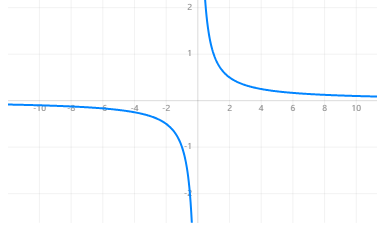
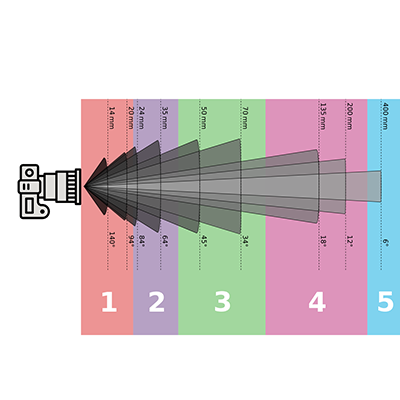
focal-length vs fov
Why Field of View Matters
Choosing the wrong FOV can create several problems in machine vision systems:
Too Large FOV
- Lower pixel density
- Reduced detail visibility
- Smaller defects become difficult to detect
Too Small FOV
- Target object may not fully fit into the image
- Requires multiple cameras or repositioning
- Reduced inspection efficiency
A properly calculated FOV ensures:
- Accurate object coverage
- Stable inspection performance
- Better imaging consistency
- Efficient lens selection
Key Parameters Used in FOV Calculation
Before learning the formula, it is important to understand the core parameters that influence machine vision field of view.
1. Sensor Size
Sensor size significantly affects image coverage.
Larger sensors generally provide:
- Wider viewing areas
- Better low-light performance
- Higher image quality
Smaller sensors typically offer:
- Compact system design
- Lower cost
- Narrower FOV
Common industrial sensor formats include:
| Sensor Format | Typical Width | Common Applications |
|---|---|---|
| 1/3″ | 4.8 mm | Compact inspection |
| 1/2″ | 6.4 mm | General automation |
| 2/3″ | 8.8 mm | Precision inspection |
| 1″ | 12.8 mm | High-resolution imaging |
When selecting a lens, always match the lens image circle to the sensor size to avoid vignetting.
2. Focal Length
Focal length determines image magnification and viewing angle.
Short Focal Length
- Wider FOV
- Larger scene coverage
- More perspective distortion
Examples:
- 4mm
- 6mm
- 8mm
Applications:
- Robotics
- Warehouse automation
- Mobile platforms
Long Focal Length
- Narrower FOV
- Higher magnification
- Better detail capture
Examples:
- 25mm
- 35mm
- 50mm
Applications:
- Precision measurement
- Semiconductor inspection
- Long-distance monitoring
3. Working Distance
Working distance refers to the distance between the camera lens and the target object.
A longer working distance generally increases the field of view, while a shorter distance reduces it.
Factors affecting working distance include:
- Machine installation constraints
- Conveyor width
- Robotic arm movement
- Safety requirements
4. Object Size
The object dimensions directly determine the required field of view.
Examples:
- PCB inspection requires smaller FOV with high detail
- Pallet inspection requires larger FOV coverage
- Barcode scanning may require balanced FOV and resolution
Field of View Formula for Machine Vision
The most commonly used formula to Calculate Field of View for Machine Vision is:
FOV =
Sensor Size × Working Distance
Focal Length
This formula helps estimate the visible inspection area captured by the camera.
Where:
- FOV = Field of View
- Sensor Size = Sensor width or height
- Working Distance = Distance from lens to object
- Focal Length = Lens focal length
Vertical FOV and Horizontal Calculation
Horizontal Field of View
Horizontal FOV =
Sensor Width × Working Distance
Focal Length
Vertical Field of View
Vertical FOV =
Sensor Height × Working Distance
Focal Length
These formulas are widely used in industrial vision system design.
Practical FOV Calculation Example
Suppose you have:
- Sensor width = 8.8 mm
- Focal length = 16 mm
- Working distance = 500 mm
Using the formula:
FOV =
8.8 × 500
16
The result is approximately:
275 mm horizontal field of view.
This means the camera can capture an area approximately 275 mm wide at a 500 mm working distance.
How Sensor Size Affects Field of View
Sensor size plays a major role in machine vision system design.
Larger Sensors
Advantages:
- Wider viewing angle
- Better image quality
- Higher sensitivity
Disadvantages:
- Higher cost
- Larger lenses required
Smaller Sensors
Advantages:
- Compact system size
- Lower cost
Disadvantages:
- Narrower field of view
- Reduced low-light performance
Sensor Size Comparison
| Sensor Size | FOV Impact | Typical Use |
|---|---|---|
| 1/3″ | Narrow | Compact systems |
| 1/2″ | Balanced | General inspection |
| 2/3″ | Wider | Industrial automation |
| 1″ | Very Wide | Precision imaging |
Selecting the proper sensor format helps optimize both imaging performance and inspection efficiency.
How Focal Length Changes FOV
Focal length dramatically changes how much of the scene is visible.
| Focal Length | FOV | Typical Application |
|---|---|---|
| 4mm | Very Wide | Robotics |
| 8mm | Wide | Logistics |
| 16mm | Medium | Automation |
| 35mm | Narrow | Precision inspection |
| 50mm | Very Narrow | Long-distance imaging |
Relationship Between FOV and Resolution
One of the most overlooked factors in machine vision design is the relationship between field of view and pixel density.
Larger FOV
- Covers more area
- Reduces detail per millimeter
Smaller FOV
- Captures finer details
- Improves defect detection
For example:
- Detecting tiny PCB defects requires high pixel density
- Barcode reading may require wider coverage
Balancing FOV and resolution is critical for successful industrial imaging.
Step-by-Step Guide to Calculate FOV
Step 1 — Measure Object Size
Determine the required inspection area.
Step 2 — Select Sensor Size
Choose the appropriate sensor format based on resolution needs.
Step 3 — Determine Working Distance
Consider installation space and equipment structure.
Step 4 — Calculate Required Focal Length
You can rearrange the formula:
Focal Length =
Sensor Size × Working Distance
FOV
This helps determine the ideal lens focal length.
Step 5 — Verify with Real Testing
Always confirm:
- Distortion performance
- Edge sharpness
- Lighting conditions
- Depth of field
Common FOV Calculation Mistakes
Ignoring Sensor Dimensions
Sensor format labels like “1/2 inch” do not represent actual physical dimensions.
Choosing the Wrong Focal Length
A wider lens may introduce distortion.
Ignoring Resolution Requirements
A large FOV may reduce inspection accuracy.
Forgetting Aspect Ratio
Different sensor ratios affect horizontal and vertical coverage.
Overlooking Distortion
Wide-angle lenses can create measurement inaccuracies near image edges.
Machine Vision Lens Selection Tips
Choosing the correct lens is just as important as calculating FOV.
Match Lens to Sensor Size
Always ensure:
- Lens image circle fully covers the sensor
- No corner shading occurs
Consider Lens Resolution
High-resolution sensors require:
- High-MTF lenses
- Industrial-grade optics
Evaluate Distortion Performance
Low distortion lenses are essential for:
- Measurement systems
- OCR inspection
- Precision robotics
Consider Industrial Environment
Industrial applications may require:
- Vibration resistance
- Dust protection
- Temperature stability
Use an Online FOV Calculator
An online FOV calculator can significantly simplify lens selection and machine vision system design.
Using an FOV calculator allows engineers to:
- Estimate working distance
- Compare focal lengths
- Select compatible sensors
- Reduce trial-and-error
For industrial imaging projects, integrating an FOV calculator into the lens selection workflow improves efficiency and shortens development time.

FOV Calculation
Real Machine Vision Application Examples
PCB Inspection
Requires:
- Small FOV
- High resolution
- Low distortion
Robotic Guidance
Requires:
- Balanced FOV
- Fast image acquisition
- Stable perspective
Logistics Barcode Reading
Requires:
- Wide coverage
- Fast capture speed
- Reliable focus
Traffic Monitoring
Requires:
- Long focal length
- Large working distance
- High detail capture
FAQs
Q: What is the formula for machine vision field of view?
A: The most common formula is:
- FOV = (Sensor Size × Working Distance) ÷ Focal Length
Q: Does a larger sensor increase field of view?
A: Yes. Larger sensors generally capture wider viewing areas when using the same focal length.
Q: How does focal length affect field of view?
A: Short focal lengths create wider FOV, while longer focal lengths create narrower FOV with higher magnification.
Q: Why is my actual FOV different from the calculated value?
A: Real-world factors such as lens distortion, manufacturing tolerances, and sensor cropping can affect actual results.
Q: What is the best FOV for industrial inspection?
A: The best FOV depends on:
- Object size
- Resolution requirements
- Inspection accuracy
- Working distance
Conclusion
Understanding how to Calculate Field of View for Machine Vision is fundamental for designing reliable industrial imaging systems. By properly balancing sensor size, focal length, working distance, and resolution requirements, engineers can optimize inspection accuracy, improve imaging consistency, and select the most suitable machine vision lens.
Whether you are building a robotic guidance platform, automated inspection system, or smart manufacturing solution, accurate FOV calculation helps reduce system errors and improve operational efficiency.
As machine vision technology continues to evolve, mastering how to Calculate Field of View for Machine Vision will remain a critical skill for industrial automation, optical engineering, and intelligent imaging applications.