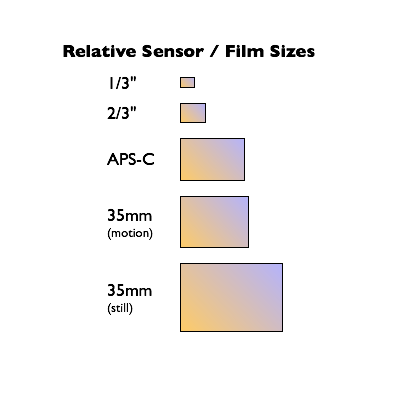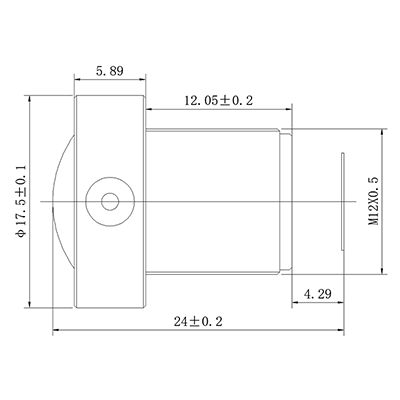



M12 Lens for 1/4 Sensor: Selection Guide for Compact Camera
06/11/2026
M12 Lens for 1/1.7 Sensor: Selection Guide for High-Resolution Imaging Systems
06/11/2026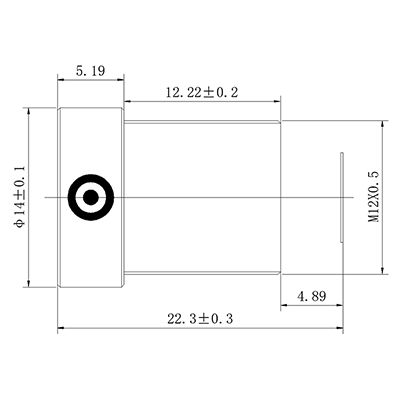
Choosing the right M12 lens for 1/2.7 sensor is critical for achieving optimal image quality, field of view, and system performance. A mismatch between lens image circle and sensor size can result in vignetting, distortion, reduced sharpness, or wasted sensor resolution.
This guide explains how to select the best M12 lens for 1/2.7-inch image sensors used in machine vision, robotics, smart security, embedded AI cameras, and industrial imaging applications.
What Is a 1/2.7 Sensor?
A 1/2.7-inch sensor is one of the most widely used image sensor formats in compact vision systems. It offers a balance between image quality, cost, and compact camera design.
Common applications include:
- Machine Vision Cameras
- Embedded AI Systems
- Robotics Vision
- Smart Security Cameras
- Face Recognition Devices
- Traffic Monitoring Systems
- Barcode and QR Code Readers
Many Sony, OmniVision, and OnSemi sensors are available in the 1/2.7″ optical format.
Why Sensor Compatibility Matters
When selecting an M12 lens, sensor compatibility is one of the most important considerations.
A lens designed for a smaller sensor may not fully illuminate a 1/2.7″ sensor, resulting in dark corners and image degradation.
A lens with a larger image circle can cover the sensor properly and provide better edge-to-edge performance.
If you are new to lens selection, we recommend reading our M12 Lens Solutions Guide for a complete overview of M12 lens types and applications.
Recommended M12 Lens Specifications for 1/2.7 Sensors
| Parameter | Recommended Range |
|---|---|
| Sensor Format | 1/2.7″ |
| Mount Type | M12 x P0.5 |
| Resolution | 2MP – 8MP+ |
| Focal Length | 2.1mm – 12mm |
| Distortion | Low Distortion Preferred |
| IR Correction | Optional |
How to Choose the Best M12 Lens for a 1/2.7 Sensor
1. Determine the Required Field of View
The focal length directly affects the camera’s field of view.
- 2.1mm – 2.8mm: Wide Angle Imaging
- 4mm: General Purpose Vision
- 6mm – 8mm: Inspection and Recognition
- 12mm+: Long Distance Observation
To better understand focal length and field of view relationships, read our Field of View Calculator Guide.
2. Consider Resolution Requirements
Modern 1/2.7 sensors are commonly available in 5MP and 8MP versions. To fully utilize sensor performance, select a lens designed for the target resolution.
Higher-resolution sensors require better optical quality and improved edge sharpness.
3. Evaluate Distortion Requirements
Applications such as machine vision inspection, robotics navigation, and measurement systems often require low distortion imaging.
For these applications, low-distortion M12 lenses are preferred over standard board lenses.
Learn more in our Lens Distortion Guide.
Typical Applications of 1/2.7 Sensor M12 Lenses
Machine Vision
Compact machine vision cameras frequently use 1/2.7-inch sensors due to their balance of size and performance. M12 lenses provide cost-effective optical solutions for industrial automation and inspection.
Robotics Vision
AMR, AGV, and SLAM systems often combine 1/2.7 sensors with wide-angle M12 lenses for navigation and obstacle detection.
Learn how lenses are used in Robotics Vision Systems.
Smart Security
Many security cameras utilize 1/2.7 sensors together with IR-corrected M12 lenses to deliver reliable day and night imaging.
AI Cameras
Embedded AI devices require compact optical systems. The M12 mount offers a lightweight and flexible solution for edge AI applications.
M12 Lens for 1/2.7 Sensor vs 1/1.8 Sensor
| Feature | 1/2.7 Sensor | 1/1.8 Sensor |
|---|---|---|
| Sensor Size | Smaller | Larger |
| Lens Coverage Requirement | Moderate | Larger Image Circle Needed |
| Camera Size | Compact | Larger |
| Cost | Lower | Higher |
For larger sensor formats, read our upcoming guide: M12 Lens for 1/1.8 Sensor.
Frequently Asked Questions
Q: Can an M12 lens cover a 1/2.7 sensor?
A: Yes. Many M12 lenses are specifically designed to support 1/2.7-inch image sensors and provide full image coverage.
Q: What focal length is best for a 1/2.7 sensor?
A: The ideal focal length depends on the required field of view. Common options range from 2.8mm to 8mm.
Q: Are M12 lenses suitable for machine vision?
A: Yes. High-resolution M12 lenses are widely used in compact machine vision systems, robotics, and embedded AI cameras.
Q: Do I need a low-distortion lens?
A: If the application involves measurement, inspection, or navigation, a low-distortion lens is highly recommended.
Q: Find the Right M12 Lens for Your Sensor
A: Selecting the proper M12 lens for 1/2.7 sensor ensures optimal image quality, system reliability, and long-term performance.
Explore our complete M12 Lens Solutions page to compare lens types, applications, and customization options for your project.