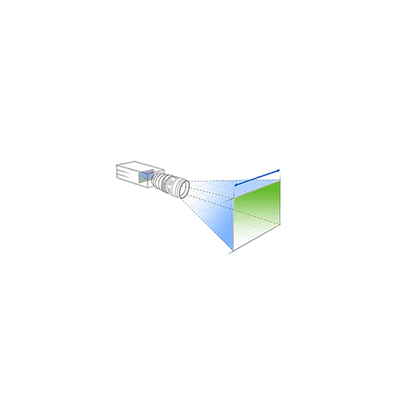



M8 mount low distortion lens
08/20/2025
M12 lens for industrial cameras
08/21/2025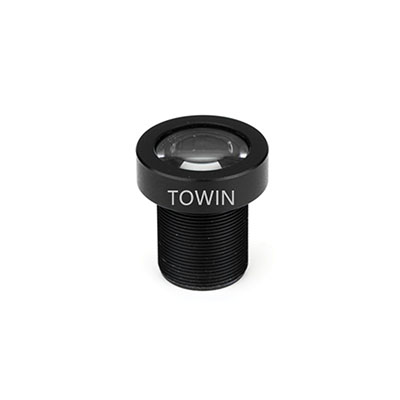
In the realm of photography, videography, and industrial imaging, achieving images that are free from distortion is not just a preference—it’s a necessity. Whether you’re capturing breathtaking landscapes, conducting detailed inspections, or creating cinematic masterpieces, the quality of your lens plays a pivotal role. A Low Distortion Lens is key for true-to-life visuals, preventing warping or bending that harms image integrity.
1. Minimal Geometric Distortion
At the heart of a Low Distortion Lens lies its ability to minimize geometric distortion. This refers to the unwanted alteration of shapes within an image, causing straight lines to appear curved or bent. High-quality lenses employ advanced optical designs and precision manufacturing techniques to keep distortion levels exceptionally low, often below 1%. This ensures that your images maintain their natural proportions, making them ideal for architectural photography, aerial mapping, and any application where accuracy is paramount.
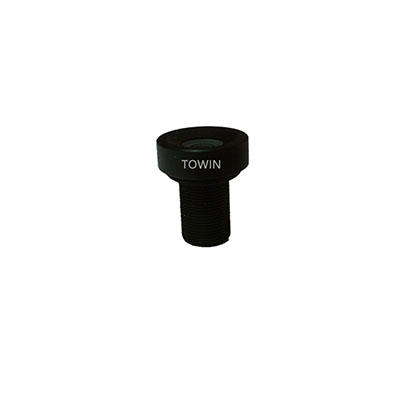
M8 mount low distortion lens
2. Superior Optical Coatings
Another hallmark of a top-tier Low Distortion Lens is the use of superior optical coatings. These coatings serve multiple purposes: they reduce glare and reflections, enhance contrast, and improve color fidelity. By minimizing internal reflections, coatings like anti-reflective (AR) and multi-layer broadband coatings ensure that more light reaches the sensor, resulting in brighter, clearer images with less flare and ghosting. This is particularly beneficial in challenging lighting conditions, where every bit of light counts.
3. High Resolution and Sharpness
A Low Distortion Lens must also excel in resolution and sharpness. This means that fine details are rendered with precision, and edges remain crisp without any blurring or softening. High-resolution lenses are capable of capturing intricate textures and patterns, making them indispensable for applications such as machine vision, where even the slightest imperfection can lead to significant errors in analysis. Look for lenses with a high modulation transfer function (MTF) rating, as this indicates their ability to resolve fine details across the entire image plane.
4. Wide Aperture Range
Flexibility in aperture settings is another key feature of a versatile Low Distortion Lens. A wide aperture range allows you to control the amount of light entering the lens, enabling you to shoot in low-light conditions without compromising image quality. Additionally, a larger maximum aperture (lower f-number) facilitates shallow depth of field, which can be used creatively to isolate subjects from their backgrounds. Conversely, a smaller aperture (higher f-number) increases the depth of field, ensuring that more of the scene is in focus.
5. Robust Construction and Durability
Durability is a non-negotiable aspect of any high-quality lens, and Low Distortion Lenses are no exception. These lenses are often subjected to rigorous use in various environments, from the studio to the field. Therefore, they must be built to withstand the rigors of daily use, including exposure to dust, moisture, and temperature fluctuations. Look for lenses with a robust metal or high-grade plastic construction, sealed against the elements, and featuring a smooth, precise focus and zoom mechanism.
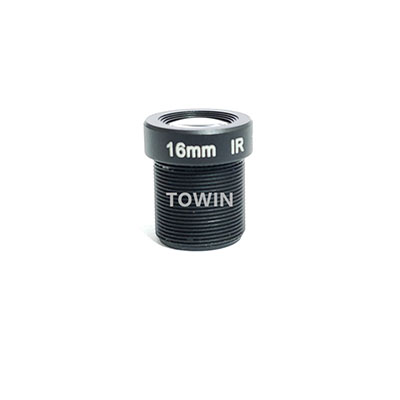
IR-corrected-Low-distortion-CCTV-16mm-M12-lens
6. Compatibility and Interchangeability
In today’s diverse imaging landscape, compatibility and interchangeability are crucial. A high-quality Low Distortion Lens should be compatible with a wide range of camera systems and mounts, allowing you to seamlessly integrate it into your existing setup. This flexibility is particularly valuable for professionals who work across multiple platforms or need to adapt to changing project requirements. Additionally, consider lenses that offer interchangeable lens elements or modular designs, as these can provide even greater customization options.
7. Advanced Autofocus and Image Stabilization
While manual focus lenses have their place, many modern applications demand the speed and precision of autofocus (AF) systems. A high-quality Low Distortion Lens should feature a fast, accurate AF system that can keep up with moving subjects, ensuring that your images are always in focus. Furthermore, image stabilization (IS) technology can be a game-changer, especially when shooting handheld or in low-light conditions. IS helps to counteract camera shake, resulting in sharper images and smoother video footage.
In conclusion, selecting a high-quality Low Distortion Lens requires careful consideration of several key features. From minimal geometric distortion and superior optical coatings to high resolution, wide aperture range, robust construction, compatibility, and advanced autofocus and image stabilization, each aspect plays a vital role in determining the lens’s overall performance.By prioritizing these features, you can ensure that your Low Distortion Lens delivers the crisp, accurate imaging you need to excel in your chosen field.