


Top 10 Lens Suppliers in China 2026
05/17/2026
Field of View Formula for Machine Vision & Industrial Lens Selection
05/26/2026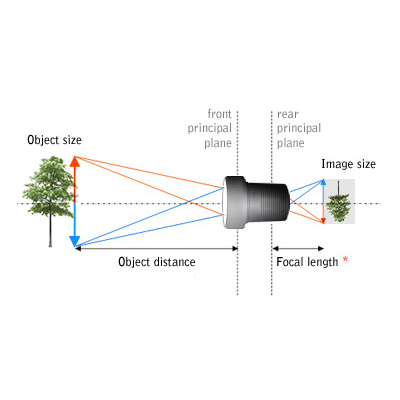
Introduction
Focal length, alongside Focal Length Calculation, ranks among the most critical parameters for industrial imaging and machine vision systems. It directly determines field of view, magnification, working distance and overall imaging precision.
Choosing the wrong focal length may result in incomplete object capture, image distortion, reduced inspection precision, or inefficient system integration. Whether you are building a factory automation system, robotics vision platform, ADAS camera solution, or intelligent traffic system, accurate focal length calculation is essential for selecting the right industrial lens.
This guide explains how to calculate focal length using sensor size, field of view, and working distance while helping engineers and system integrators choose suitable industrial lenses for machine vision applications.
What Is Focal Length?
Focal length is the distance between the optical center of a lens and the image sensor when the target object is in focus. It is typically measured in millimeters (mm).
In machine vision systems, focal length determines:
- Field of view
- Magnification level
- Object coverage
- Imaging distance
- Perspective distortion
A shorter focal length provides a wider viewing angle and captures a larger area, while a longer focal length produces a narrower field of view with higher magnification.
For example:
| Focal Length | Viewing Angle | Typical Use |
|---|---|---|
| 2.8mm | Ultra Wide | Surveillance / Robotics |
| 6mm | Wide | Embedded Vision |
| 12mm | Medium | Machine Vision |
| 25mm | Narrow | Industrial Inspection |
| 50mm | Telephoto | ITS / Long Distance Imaging |
Why Focal Length Matters in Machine Vision
Accurate focal length selection is critical for industrial imaging performance. In machine vision applications, improper focal length configuration can negatively impact:
- Inspection accuracy
- Object measurement
- AI recognition performance
- Defect detection capability
- OCR and barcode reading
- Image sharpness
For example, a focal length that is too short may capture excessive background information, while a focal length that is too long may fail to capture the complete target object.
In industrial automation environments, even small imaging errors can reduce production efficiency and inspection reliability.
Learn more about industrial imaging applications in the TOWIN Solutions Center:
- https://www.towinlens.com/solutions/machine-vision
- https://www.towinlens.com/solutions/robotics-vision
- https://www.towinlens.com/solutions/adas
- https://www.towinlens.com/solutions/smart-traffic
Focal Length Calculation Formula
The most common machine vision focal length calculation formula is:
f =
Sensor Size × Working Distance
Field of View
Where:
| Parameter | Description |
|---|---|
| f | Focal Length |
| Sensor Size | Camera sensor dimension |
| Working Distance | Distance from camera to target |
| Field of View | Visible inspection area |
This formula helps engineers estimate the required lens focal length based on system requirements.
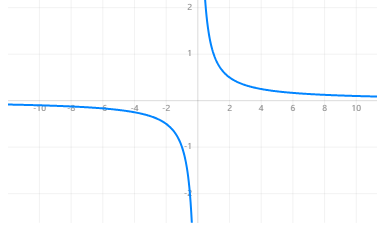
focal-length vs fov
Relationship Between Focal Length and Field of View
Field of view (FOV) and focal length are directly related.
Short Focal Length
Characteristics:
- Wider viewing angle
- Larger visible area
- Lower magnification
Applications:
- Robotics vision
- Mobile robots
- Surveillance systems
- Embedded AI cameras
Long Focal Length
Characteristics:
- Narrower viewing angle
- Higher magnification
- Better distant object imaging
Applications:
- Industrial inspection
- ITS traffic monitoring
- ANPR systems
- Long-distance detection
Key Parameters in Focal Length Calculation
1. Sensor Size
Sensor size significantly affects focal length selection.
Larger sensors generally require larger image circles and different focal lengths to achieve the same field of view.
Common industrial sensor formats include:
| Sensor Format | Typical Application |
|---|---|
| 1/4″ | Compact Embedded Vision |
| 1/2.8″ | Smart Security |
| 1/1.8″ | Machine Vision |
| 1″ | High-Resolution Inspection |
Related Reading:
2. Working Distance
Working distance refers to the distance between the camera and the target object.
Increasing working distance often requires longer focal lengths to maintain the same image coverage.
Example:
- Short-distance inspection → 6mm lens
- Long-distance inspection → 25mm or 50mm lens
3. Field of View
Field of view defines the visible inspection area captured by the camera system.
A larger FOV captures more area but may reduce image detail, while a smaller FOV improves target magnification and measurement precision.
Related Reading:
4. Resolution Requirements
High-resolution inspection systems require optimized focal lengths and low distortion imaging to maintain image sharpness across the entire frame.
Applications requiring precision measurement typically use:
- Low distortion lenses
- FA lenses
- High-resolution machine vision optics
Related Reading:
Focal Length Comparison Table
| Focal Length | Typical FOV | Application |
|---|---|---|
| 2.8mm | Ultra Wide | Robotics / Security |
| 6mm | Wide | Embedded Vision |
| 8mm | Medium Wide | Smart Cameras |
| 12mm | Standard | Machine Vision |
| 25mm | Narrow | Industrial Inspection |
| 50mm | Telephoto | ITS / Traffic Monitoring |
Real Machine Vision Application Examples
Factory Inspection
Factory automation systems often require accurate object measurement and defect detection.
Typical applications include:
- PCB inspection
- Semiconductor inspection
- Surface defect detection
- Barcode reading
Recommended lenses:
Related Solution:
Robotics Vision
Robotic systems require wide-angle imaging and real-time object recognition.
Typical applications include:
- AMR robots
- Warehouse automation
- AI navigation
- Picking robots
Recommended lenses:
- M12 Lens
- Embedded Vision Lens
Related Solution:
Smart Traffic Systems
ITS systems often require long-distance imaging and license plate recognition.
Typical applications include:
- ANPR
- Traffic monitoring
- Highway surveillance
- Speed enforcement
Recommended lenses:
- ITS Lens
- Long focal length lens
Related Solution:
ADAS Imaging
ADAS systems require automotive-grade optics with optimized focal length and low distortion performance.
Typical applications include:
- Surround view systems
- Lane detection
- Driver monitoring
- Autonomous driving
Recommended lenses:
- Automotive Lens
- ADAS Lens
Related Solution:
How to Choose the Right Industrial Lens
Selecting the correct industrial lens depends on several key factors:
Sensor Compatibility
The lens must support the sensor size of the industrial camera.
Working Distance
Longer working distances typically require longer focal lengths.
Distortion Requirements
Precision inspection systems often require low distortion optics.
Lighting Environment
Low-light environments may require larger apertures and optimized lens coatings.
Resolution Requirements
High-resolution sensors require high-performance optics to maintain image clarity.
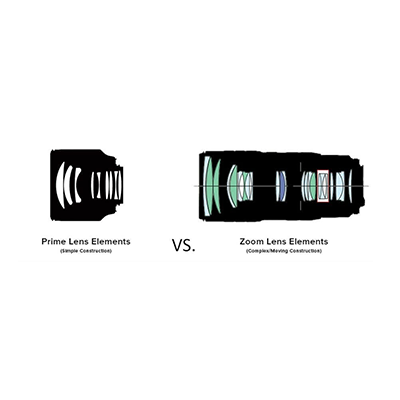
Fixed Focal Length and Varifocal Lenses
Recommended TOWIN Industrial Lenses
FA Lens
Suitable for:
- Machine vision inspection
- Precision measurement
- Industrial automation
M12 Lens
Suitable for:
- Robotics vision
- Embedded AI systems
- Compact smart devices
ITS Lens
Suitable for:
- Traffic monitoring
- Smart transportation
- Long-distance imaging
Low Distortion Lens
Suitable for:
- Measurement systems
- AI recognition
- High-precision imaging
Common Focal Length Calculation Mistakes
Ignoring Sensor Size
The same focal length produces different fields of view on different sensor sizes.
Overlooking Working Distance
Incorrect working distance assumptions often result in improper imaging coverage.
Ignoring Optical Distortion
Distortion can significantly affect measurement accuracy in machine vision systems.
Focusing Only on FOV
Field of view alone is insufficient. Resolution and image quality must also be considered.
FAQs
What is focal length in machine vision?
Focal length determines the viewing angle and magnification of an industrial imaging system. It directly affects image coverage and inspection accuracy.
How do I calculate focal length?
Focal length can be estimated using sensor size, working distance, and field of view through standard machine vision calculation formulas.
How does sensor size affect focal length?
Larger sensors generally require different focal lengths to achieve the same field of view compared to smaller sensors.
What focal length is best for industrial inspection?
The optimal focal length depends on inspection distance, target size, sensor format, and resolution requirements.
What is the relationship between focal length and field of view?
Short focal lengths provide wider fields of view, while longer focal lengths provide narrower fields of view with higher magnification.
Can TOWIN provide custom industrial lens solutions?
Yes. TOWIN provides custom industrial optical lens solutions for machine vision, robotics, ADAS, intelligent transportation, and embedded vision applications.
Conclusion
Accurate focal length calculation is essential for achieving optimal imaging performance in machine vision and industrial inspection systems.
Understanding the relationship between sensor size, field of view, and working distance helps engineers select the most suitable industrial lens for their applications.
TOWIN provides professional industrial lens solutions for machine vision, robotics, intelligent transportation, ADAS, embedded vision, and AI imaging systems.
For customized industrial optical solutions, visit: