


What Causes Lens Distortion?
06/25/2026
Why Is My Image Blurry? Causes, Solutions & Lens Selection Guide
06/26/2026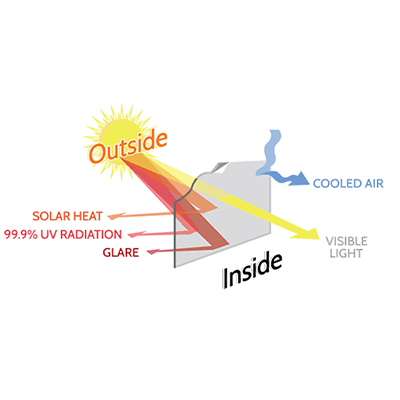
How Do I Reduce Image Glare is one of the most common questions asked by engineers, system integrators, and camera designers working with machine vision, robotics, medical imaging, smart security, and AI vision systems. Image glare reduces contrast, creates unwanted reflections, hides important details, and directly affects inspection accuracy and object recognition performance.
Whether imaging highly reflective metal parts on an automated production line or capturing outdoor scenes under strong sunlight, glare can significantly reduce image quality. Fortunately, glare is not an unavoidable problem. Through proper optical design, anti-reflective coatings, lighting optimization, and industrial lens selection, glare can be minimized or even eliminated in many applications.
This guide explains what image glare is, why it occurs, how it impacts industrial imaging, and the most effective methods for reducing it while improving overall optical performance.
If you are new to industrial optics, we recommend reading Lens Basics to understand focal length, aperture, sensor size, field of view, and other essential optical concepts before optimizing image quality.
What Is Image Glare?
Image glare refers to unwanted reflected or scattered light entering an optical system and reducing image clarity. Instead of accurately reproducing the scene, excessive reflected light creates bright areas, lowers contrast, washes out details, and interferes with computer vision algorithms.
Unlike image blur caused by focus errors, glare is produced by excessive light reflection between optical elements, protective glass, sensor surfaces, or highly reflective objects within the scene.
Industrial vision systems often require consistent illumination and accurate edge detection. Even relatively small amounts of glare may reduce dimensional measurement accuracy and negatively affect AI recognition performance.
Why Does Image Glare Occur?
Image glare is produced whenever unwanted light reflects inside or outside the optical system before reaching the image sensor. Multiple factors contribute to this phenomenon, including lens coatings, lighting conditions, optical structure, sensor characteristics, and environmental reflections.
Direct Light Sources
Strong illumination is one of the most common causes of image glare.
Examples include:
- Direct sunlight
- High-power LED lighting
- Laser illumination
- Infrared light sources
- Industrial inspection lighting
When intense light enters the lens from unfavorable angles, reflections increase significantly, reducing image contrast and creating bright hotspots.
Lens Surface Reflection
Every optical glass surface naturally reflects a portion of incoming light.
Without anti-reflective coatings, each glass-air interface typically reflects approximately 4% of incident light. Since industrial lenses often contain multiple optical elements, cumulative reflections become increasingly noticeable.
Modern industrial optics use multi-layer anti-reflective coatings to reduce reflection while increasing light transmission and image contrast.
Learn more about industrial optical structures in our Optical Design Guide.
Sensor Reflection
The image sensor itself can also generate unwanted reflections.
Protective glass, infrared filters, sensor packaging, and cover plates may reflect light back toward the lens, creating ghost images and reducing image quality.
Proper sensor and lens matching minimizes these optical interactions and improves imaging consistency.
Related reading: Sensor Guide.
Reflective Objects in the Scene
Industrial environments frequently contain highly reflective materials such as:
- Metal components
- Glass products
- Polished plastic
- Electronic displays
- Water surfaces
- Chrome finishes
These materials produce specular reflections that enter the camera lens and generate glare, making edge detection and dimensional measurement significantly more difficult.
Poor Optical Design
Consumer lenses are typically optimized for cost and general photography, while industrial lenses prioritize imaging consistency, low distortion, high resolution, and reduced internal reflections.
Industrial optics employ:
- Precision optical alignment
- Advanced multi-layer coatings
- Improved internal blackening
- Optimized lens spacing
- High-transmission glass materials
These design improvements significantly reduce glare while maintaining excellent image quality across the entire sensor.
Common Types of Image Glare
Understanding different glare patterns helps engineers choose appropriate optical solutions.
| Glare Type | Appearance | Typical Cause |
|---|---|---|
| Specular Glare | Bright reflected spot | Mirror-like surfaces |
| Veiling Glare | Reduced image contrast | Internal reflections |
| Ghost Image | Duplicate light patterns | Multiple lens reflections |
| Lens Flare | Light streaks or halos | Strong light source entering lens |
Why Image Glare Matters in Industrial Vision Systems
Image glare is much more than a cosmetic issue. In industrial imaging systems, glare directly impacts AI performance, measurement accuracy, defect detection, and automation reliability.
Machine Vision Inspection
Machine vision systems rely on stable image contrast for dimensional measurement and defect detection.
Glare may hide scratches, reduce edge definition, or create false defects, increasing inspection errors and lowering production efficiency.
Related application: Machine Vision Solutions.
Robotics Vision
Autonomous robots depend on accurate visual perception for navigation and object localization.
Glare may reduce feature extraction accuracy, negatively affecting SLAM algorithms, robotic grasping, and path planning performance.
Learn more: Robotics Vision Solutions.
Medical Imaging
Medical cameras require high contrast and consistent image quality.
Excessive glare may obscure anatomical structures or reduce diagnostic confidence, making low-reflection optical systems especially valuable.
Related solution: Medical Imaging Solutions.
Smart Security Systems
Security cameras often operate under challenging lighting conditions including headlights, streetlights, sunlight, and reflective building materials.
Glare reduces facial recognition accuracy and object tracking performance, especially during nighttime surveillance.
Explore: Smart Security Solutions.
How Do I Reduce Image Glare?
How Do I Reduce Image Glare effectively depends on understanding both the optical system and the lighting environment. The following engineering methods are widely used in industrial vision systems.
Use Anti-Reflective Coatings
Multi-layer anti-reflective coatings are among the most effective methods for reducing optical reflections.
Compared with uncoated optical glass, advanced coatings significantly improve light transmission while minimizing unwanted reflections across visible and near-infrared wavelengths.
| Lens Type | Typical Reflection | Transmission Performance |
|---|---|---|
| Uncoated Lens | ≈4% per surface | Lower |
| Single-Coated Lens | ≈1.5% | Improved |
| Multi-Coated Industrial Lens | <0.5% | Excellent |
When selecting industrial optics, choosing lenses with advanced anti-reflective coatings is one of the simplest and most effective ways to improve image quality.
Optimize Lighting Angle
Lighting direction is often just as important as lens quality.
Instead of positioning illumination directly in front of reflective objects, many industrial inspection systems use angled or diffuse lighting to reduce specular reflections and improve image contrast.
Lighting optimization is particularly important when inspecting polished metals, glass products, semiconductor wafers, and electronic components.
Additional Engineering Methods to Reduce Image Glare
Use Diffuse Lighting
Diffuse illumination distributes light evenly across the target surface, reducing concentrated reflections and improving image consistency.
Compared with direct lighting, diffuse dome lights and ring lights create softer illumination, making them ideal for inspecting reflective materials such as polished metal, glass panels, plastic housings, and electronic components.
For machine vision applications requiring high repeatability, combining diffuse lighting with low-reflection industrial lenses produces significantly better inspection results.
Install Polarizing Filters
Polarizing filters reduce reflections generated by non-metallic surfaces by filtering specific light polarization directions.
They are commonly used for:
- Glass inspection
- LCD display inspection
- Plastic packaging
- Water surface monitoring
- Medical imaging equipment
Although polarizers reduce available light, they dramatically improve image contrast and eliminate unwanted reflections in many industrial environments.
Control Working Distance
Working distance affects the incident angle between illumination, objects, and the camera lens.
By adjusting camera position and object distance, engineers can often redirect reflected light away from the optical axis, significantly reducing image glare without changing hardware.
To optimize working distance and field of view, use our FOV Calculator.
Match Lens and Sensor Correctly
Improper sensor matching may increase edge reflections and reduce image quality.
Choosing a lens specifically designed for the target sensor format improves illumination uniformity and minimizes unwanted internal reflections.
Learn more from our Sensor Guide.
Parameter Comparison: Factors That Affect Image Glare
| Parameter | Better Performance | Poor Performance |
|---|---|---|
| Lens Coating | Multi-layer AR Coating | Uncoated Glass |
| Surface Reflection | Below 0.5% | Above 4% |
| Lighting Method | Diffuse Lighting | Direct Lighting |
| Lens Structure | Industrial Optical Design | Consumer Design |
| Working Distance | Optimized | Improper Positioning |
| Sensor Matching | Optimized Image Circle | Oversized Sensor |
Product Selection Guide
Selecting the right industrial lens is one of the most effective ways to reduce glare while maintaining excellent resolution and measurement accuracy.
| Application | Recommended Lens | Primary Benefit |
|---|---|---|
| Machine Vision Inspection | Low Distortion FA Lens | Maximum Contrast |
| Robotics Vision | M12 Industrial Lens | Stable Imaging |
| Medical Imaging | High Resolution Lens | Improved Detail |
| Smart Security | IR Corrected Lens | Night Performance |
| ADAS Cameras | Wide Angle Low Reflection Lens | Reliable Detection |
| Drone Imaging | Lightweight M12 Lens | Reduced Reflection |
Choosing industrial lenses with precision optical alignment, advanced multi-layer coatings, and optimized internal structures delivers significantly better imaging performance than standard consumer optics.
Best Practices for Industrial Imaging Systems
- ✓ Select industrial lenses with advanced anti-reflective coatings.
- ✓ Optimize illumination angle before changing camera hardware.
- ✓ Use diffuse lighting whenever possible.
- ✓ Match lens image circle with sensor size.
- ✓ Minimize highly reflective backgrounds.
- ✓ Perform camera calibration under actual operating conditions.
- ✓ Choose appropriate focal length for the required field of view.
- ✓ Verify glare performance during system integration.
Related Knowledge Resources
Continue exploring industrial optical technologies through the following technical guides:
Frequently Asked Questions
Q: What causes image glare?
A: Image glare is caused by unwanted reflections from optical surfaces, light sources, sensors, or highly reflective objects entering the camera lens.
Q: What is the difference between glare and lens flare?
A: Glare generally reduces overall image contrast, while lens flare often appears as visible halos, streaks, or ghost artifacts caused by strong light sources.
Q: Can anti-reflective coatings reduce image glare?
A: Yes. Multi-layer anti-reflective coatings significantly reduce surface reflections while increasing light transmission and overall image contrast.
Q: Why do machine vision systems suffer from glare?
A: Machine vision systems frequently inspect reflective materials under bright illumination, making unwanted reflections more noticeable than in conventional photography.
Q: Do polarizing filters eliminate glare completely?
A: Polarizing filters effectively reduce many reflections from non-metallic surfaces but cannot eliminate every type of glare.
Q: Which industrial lens produces the lowest glare?
A: Industrial lenses featuring precision optical alignment, multi-layer coatings, and optimized internal blackening generally provide the best low-glare performance.
Q: Does image glare affect AI recognition accuracy?
A: Yes. Reduced contrast and bright reflections may hide important image features, lowering AI detection and object recognition performance.
Q: Can lighting design improve image quality?
A: Absolutely. Proper lighting angle and diffuse illumination are often the most effective methods for reducing image glare without replacing optical components.
Conclusion
Successfully answering How Do I Reduce Image Glare requires understanding the interaction between optical design, lens coatings, lighting conditions, sensor compatibility, and environmental reflections.
Industrial imaging systems achieve the best performance by combining low-reflection optics, optimized illumination, proper working distance, and precision optical engineering. Rather than relying solely on software correction, reducing glare at the optical level improves image contrast, measurement accuracy, AI recognition reliability, and long-term system stability.
Whether developing machine vision inspection equipment, robotics platforms, medical imaging devices, ADAS cameras, or intelligent security systems, selecting industrial lenses with advanced anti-reflective technology provides a significant competitive advantage.
Continue learning through our Lens Basics, Optical Design Guide, Lens Selection Guide, and Sensor Guide to build a complete understanding of industrial optical imaging.