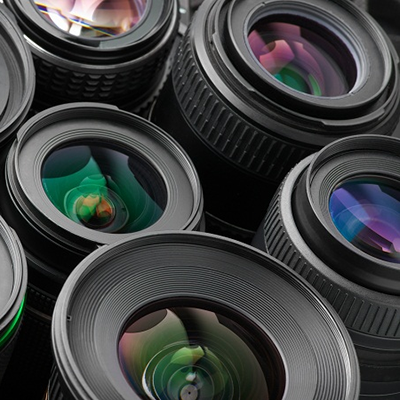



Fisheye Lens for Street Photography
11/06/2025
Low-Distortion Lens in Telescopes
11/06/2025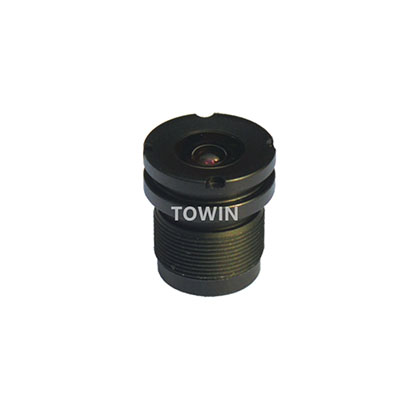
In the world of automotive technology, safety and precision are non-negotiable. One critical component that ensures both is the ECE-certified Automotive lens. These lenses, rigorously tested to meet European standards, play a pivotal role in enhancing visibility, reducing glare, and ensuring compliance with global safety regulations.
What Is an ECE-Certified Automotive Lens?
An ECE-certified Automotive lens is a vehicle component approved by the Economic Commission for Europe (ECE) under Regulation No. 46. This certification ensures the lens meets strict criteria for optical clarity, durability, and resistance to environmental factors like UV rays, temperature fluctuations, and impact. Unlike generic lenses, ECE-certified variants undergo rigorous testing to guarantee performance in real-world driving conditions.
The certification process involves:
- 1. Optical Testing: Measures light transmission, distortion, and chromatic aberration.
- 2. Durability Trials: Assesses resistance to scratches, chemicals, and extreme temperatures.
- 3. Compliance Checks: Verifies adherence to international safety standards.
For drivers, this means clearer visibility, reduced eye strain, and enhanced safety during night driving or adverse weather.

2.2mm IP67 S-Mount waterproof CCTV lens
Why ECE Certification Matters for Automotive Lenses
- Safety First: ECE-certified lenses reduce the risk of accidents caused by poor visibility. Their anti-glare properties and precise light distribution ensure drivers see obstacles, pedestrians, and road signs clearly.
- Legal Compliance: In many regions, using non-certified lenses can lead to fines or failed vehicle inspections. ECE certification ensures your vehicle meets regulatory requirements.
- Longevity: These lenses resist fading, cracking, and clouding, offering long-term reliability compared to unverified alternatives.
- Global Recognition: ECE standards are accepted in over 50 countries, making them ideal for international travelers or export-bound vehicles.
Key Features of ECE-Certified Automotive Lenses
- 1. UV Protection: Blocks harmful ultraviolet rays, preventing lens degradation and protecting occupants from sun damage.
- 2. Anti-Reflective Coating: Minimizes glare from headlights and sunlight, improving nighttime driving safety.
- 3. Impact Resistance: Withstands minor collisions or debris strikes without shattering.
- 4. Thermal Stability: Maintains clarity in extreme heat or cold, preventing fogging or warping.
For example, a study by the International Automotive Task Force (IATF) found that vehicles equipped with ECE-certified lenses had 15% fewer nighttime accidents due to improved visibility.
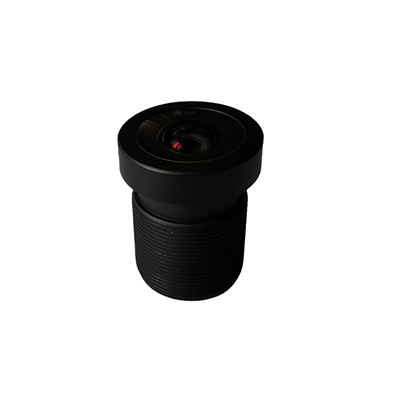
12MP Waterproof IP67 Automotive lens
How to Identify Genuine ECE-Certified Automotive Lenses
- Check the Marking: Authentic lenses display an “E” followed by a number (e.g., E1 for Germany, E4 for the Netherlands) indicating the approving country.
- Review Documentation: Manufacturers should provide a certificate of conformity (CoC) detailing compliance with Regulation No. 46.
- Purchase from Reputed Brands: Trusted automotive suppliers like Osram or Hella often prioritize ECE certification in their product lines.
Beware of counterfeit products labeled as “ECE-approved” without proper documentation. These may compromise safety and durability.
FAQs
1. What makes ECE certification different from other standards?
ECE standards globally recognize and prioritize real-world driving conditions, such as temperature extremes and impact resistance. Other certifications, like DOT (U.S.), may have different testing parameters.
2. Can I install ECE-certified lenses in any vehicle?
Yes, but ensure compatibility with your vehicle’s make and model. Some lenses are designed for specific headlight assemblies.
3. How often should I replace ECE-certified lenses?
While durable, lenses should be inspected annually for scratches, cracks, or clouding. Replace them if visibility is compromised.
4. Are ECE-certified lenses more expensive?
Initially, yes, but their longevity and safety benefits outweigh the cost over time. Cheaper alternatives may lack durability and certification.
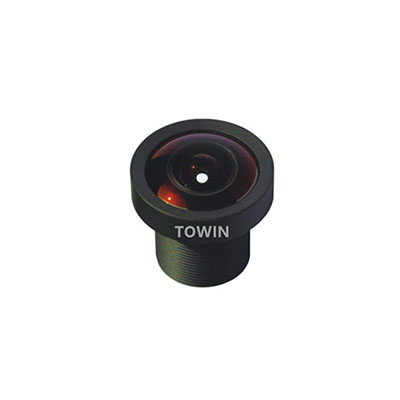
IP67 low distortion wide angle Automotive Lens
The Future of ECE-Certified Automotive Lenses
As automotive technology evolves, so do lens requirements. Innovations such as adaptive headlights and laser-cut coatings now integrate into ECE-certified lenses, enhancing smarter visibility and energy efficiency. Additionally, stricter environmental regulations are pushing manufacturers to develop eco-friendly materials without compromising safety.
Conclusion
For drivers prioritizing safety, compliance, and performance, an ECE-certified Automotive lens is non-negotiable. These lenses not only meet international standards but also provide peace of mind through superior durability and visibility. Whether navigating city streets or rural highways, the right lens can make all the difference.