


Optical Zoom Lens: Complete Guide to Types, Applications & Lens Selection
05/27/2026
How to Choose the Right Machine Vision Lens
05/29/2026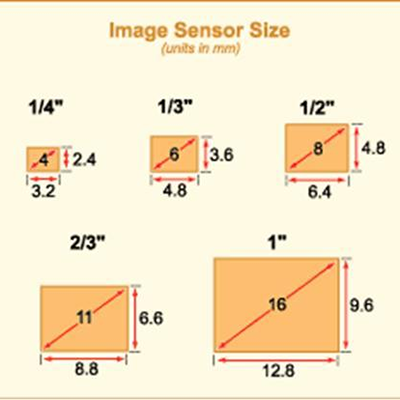
Introduction
CMOS Sensor Size is one of the most important factors affecting image quality, field of view, lens compatibility, and overall optical system performance. Whether you are designing a machine vision system, selecting an industrial camera lens, building a robotics platform, or optimizing a smart security solution, understanding sensor size is essential for achieving accurate and reliable imaging results.
In industrial imaging applications, the CMOS sensor acts as the light-sensitive surface that captures visual information. Different sensor sizes directly influence how much of a scene can be captured, how much light reaches the sensor, and how the lens performs in real-world environments. A larger sensor typically provides a wider field of view and improved low-light capability, while a smaller sensor may help reduce system size and cost.
This guide from TOWIN explains the fundamentals of CMOS sensor formats, dimensions, field of view relationships, and lens matching principles. It also provides practical selection advice for machine vision, robotics, smart traffic, medical imaging, and industrial camera applications.
What Is CMOS Sensor Size?
Understanding CMOS Sensor Dimensions
CMOS sensor size refers to the physical dimensions of the active imaging area on a camera sensor. It determines how much light the sensor can capture and how much of a scene can be recorded through the lens.
Sensor size is usually expressed in:
- Optical format (1/4″, 1/3″, 1/2″, 1″, etc.)
- Actual width and height in millimeters
- Diagonal measurement
Although the naming system uses inch-based terminology, the actual dimensions are smaller than the nominal optical format designation.
For example:
- A 1/2.8″ sensor does not physically measure 1/2.8 inch
- A 1″ sensor is approximately 13.2 mm × 8.8 mm
Understanding these standards is critical when matching lenses to industrial cameras.
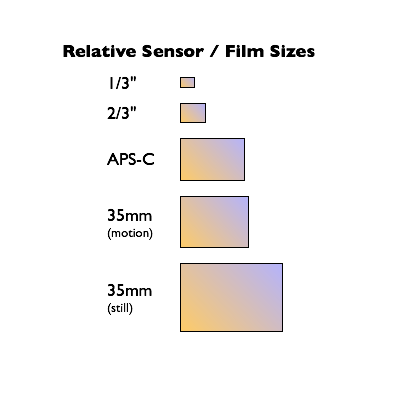
Sensor size
Why CMOS Sensor Size Matters
Sensor size impacts multiple imaging characteristics, including:
- Field of view (FOV)
- Resolution utilization
- Depth of field
- Low-light performance
- Lens compatibility
- Distortion control
- Image sharpness
In machine vision and industrial automation systems, improper sensor and lens matching can lead to:
- Vignetting
- Reduced image clarity
- Inaccurate inspection
- Distorted imaging
This is why engineers must consider sensor dimensions early during optical system design.
Common CMOS Sensor Sizes and Dimensions
Below are some of the most widely used CMOS sensor formats in industrial and embedded vision systems.
| Optical Format | Approx. Dimensions | Typical Applications |
|---|---|---|
| 1/4″ | 3.6 × 2.7 mm | Compact embedded systems |
| 1/3″ | 4.8 × 3.6 mm | Security cameras |
| 1/2.8″ | 5.4 × 3.0 mm | Surveillance imaging |
| 1/2″ | 6.4 × 4.8 mm | Robotics vision |
| 1/1.8″ | 7.2 × 5.4 mm | Machine vision |
| 2/3″ | 8.8 × 6.6 mm | Industrial inspection |
| 1″ | 13.2 × 8.8 mm | High-end industrial cameras |
| APS-C | 23.6 × 15.7 mm | Professional imaging |
Larger sensors generally require lenses with larger image circles and higher optical performance.
CMOS Sensor Size and Field of View
How Sensor Size Affects FOV
The field of view describes the visible area captured by a camera system. Sensor size has a direct impact on this viewing area.
For the same focal length:
- Larger sensors capture a wider scene
- Smaller sensors create a cropped image
This relationship is extremely important in:
- Factory automation
- Barcode reading
- Smart traffic systems
- Robotics navigation
- Medical inspection
The standard field of view relationship can be expressed as:
FOV =
Sensor Size × Working Distance
Focal Length
This formula helps engineers determine the correct focal length based on sensor dimensions and working distance.
For practical calculations, users can also use the FOV Calculator available on the TOWIN website.
Example of Sensor Size Influence
Suppose two cameras use the same 12 mm lens:
- Camera A uses a 1/3″ sensor
- Camera B uses a 1″ sensor
The 1″ sensor captures a significantly wider viewing area because the active imaging surface is larger.
This is one of the key reasons why larger industrial sensors are often preferred in precision inspection systems.
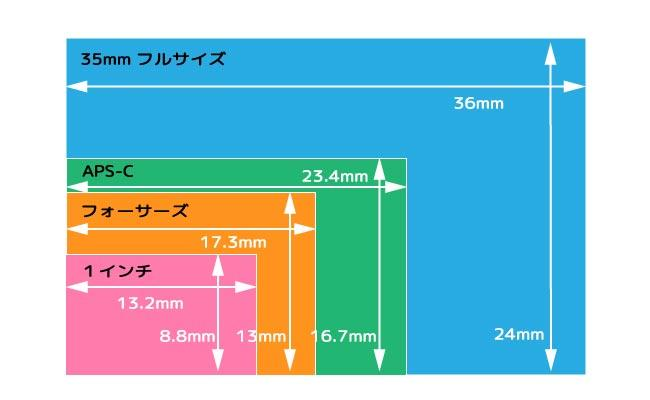
sensor size type
CMOS Sensor Size and Lens Compatibility
Why Lens Matching Is Important
Choosing the correct lens for a sensor size is essential for maintaining image quality.
If the lens image circle is too small for the sensor:
- Dark corners may appear
- Image coverage becomes incomplete
- Optical distortion increases
A properly matched lens ensures:
- Full sensor coverage
- Higher edge sharpness
- Reduced distortion
- Better imaging consistency
How to Match a Lens to Sensor Size
Step 1 — Identify Sensor Format
Determine whether the camera uses:
- 1/2.8″
- 1/1.8″
- 2/3″
- 1″
- or another format
Step 2 — Calculate Required FOV
Determine the target viewing area and working distance.
Step 3 — Select Proper Focal Length
Choose the focal length that provides the required viewing angle.
Step 4 — Verify Image Circle Coverage
Ensure the lens supports the sensor dimensions.
Step 5 — Evaluate Optical Performance
Consider:
- distortion
- MTF performance
- resolution
- low-light capability
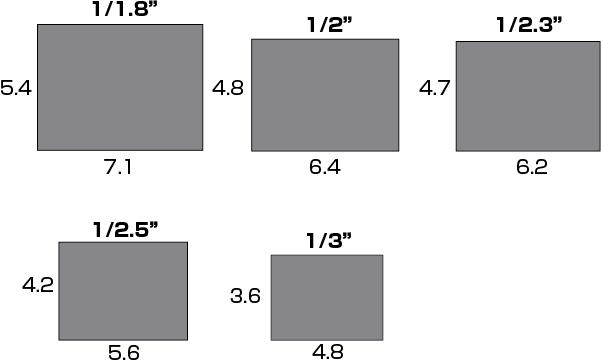
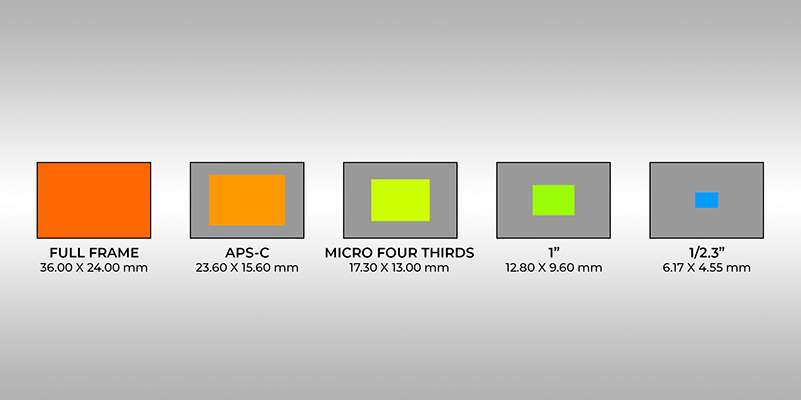
Actual image sensor size
Choosing the Right CMOS Sensor Size
Different industries require different sensor characteristics.
Machine vision systems often require:
- high accuracy
- low distortion
- high resolution
Common sensor sizes:
- 1/1.8″
- 2/3″
- 1″
Robotics applications prioritize:
- compact design
- lightweight optics
- real-time imaging
Common sensor sizes:
- 1/3″
- 1/2.8″
- 1/2″
Security systems benefit from:
- strong low-light performance
- wide-angle monitoring
- stable image quality
Larger sensors often improve nighttime imaging performance.
Traffic monitoring systems require:
- long-distance imaging
- high detail capture
- accurate recognition
1/1.8″ and larger sensors are common in intelligent transportation systems.
Medical imaging systems typically demand:
- extremely high sharpness
- color accuracy
- precision imaging
Larger sensors combined with high-quality optical lenses are commonly used in diagnostic equipment.
Small vs Large CMOS Sensors
| Feature | Small Sensor | Large Sensor |
|---|---|---|
| System Size | Compact | Larger |
| Field of View | Narrower | Wider |
| Low-Light Performance | Moderate | Better |
| Lens Cost | Lower | Higher |
| Depth of Field | Deeper | Shallower |
| Image Quality | Standard | Higher Potential |
Selecting the right balance depends on the application requirements and system budget.
Recommended Lens Types for Different Sensor Sizes
| Sensor Size | Recommended Lens Type | Application |
|---|---|---|
| 1/4″ | M12 Lens | Embedded vision |
| 1/3″ | Board Lens | Compact systems |
| 1/2.8″ | Low Distortion Lens | Security |
| 1/1.8″ | FA Lens | Machine vision |
| 2/3″ | C-Mount Lens | Industrial inspection |
| 1″ | High Resolution Lens | Precision imaging |
TOWIN provides customized optical solutions for various CMOS sensor formats and industrial imaging requirements.
Frequently Asked Questions
Q: What is CMOS sensor size?
CMOS sensor size refers to the physical dimensions of the image sensor used in a camera system. It affects field of view, image quality, and lens compatibility.
Q: Does a larger CMOS sensor improve image quality?
In many cases, yes. Larger sensors can capture more light and often provide improved low-light performance and wider field of view.
Q: How does sensor size affect field of view?
A larger sensor captures a wider viewing area when using the same focal length lens.
Q: How do I choose the correct lens for my sensor?
You should consider:
- sensor format
- focal length
- working distance
- image circle
- distortion requirements
Q: What sensor size is best for machine vision?
Common industrial choices include:
- 1/1.8″
- 2/3″
- 1″
The ideal size depends on resolution and inspection accuracy requirements.
Q: What is the difference between CCD and CMOS sensors?
CMOS sensors typically provide:
- lower power consumption
- faster readout
- lower manufacturing cost
CCD sensors were traditionally preferred for some high-quality imaging applications, but CMOS technology now dominates most industrial systems.
Conclusion
Understanding CMOS Sensor Size is essential for selecting the correct camera and lens combination in industrial imaging systems. Sensor dimensions directly influence field of view, image quality, low-light performance, and optical compatibility, making them one of the most important considerations in machine vision and embedded imaging design.
Whether you are building a robotics platform, smart traffic system, medical imaging device, or factory automation solution, choosing the proper sensor format can significantly improve system performance and imaging accuracy.
To learn more about industrial optics, lens selection, and imaging calculations, visit the TOWIN Knowledge Center and explore additional engineering resources from TOWIN.