


Field of View Formula for Machine Vision & Industrial Lens Selection
05/26/2026
CMOS Sensor Size: Formats, Dimensions, Lens Matching & Selection Guide
05/28/2026
Introduction
An optical zoom lens is one of the most important components in modern imaging systems, allowing cameras to magnify distant objects through real optical focal length adjustment without sacrificing image quality. Unlike digital zoom, which enlarges pixels through software processing, optical zoom uses precision lens movement to maintain image clarity, resolution, and detail.
Today, optical zoom technology is widely used in machine vision, robotics, smart security, intelligent traffic systems, drone imaging, medical imaging, and industrial automation. As AI-driven vision systems continue to evolve, the demand for high-resolution industrial zoom optics is growing rapidly across global markets.
This guide explains how optical zoom lenses work, compares critical optical parameters, explores industrial applications, and helps engineers, OEM manufacturers, and system integrators select the right lens solution for their projects.
What Is an Optical Zoom Lens?
An optical zoom lens is a variable focal length lens that changes magnification by physically moving internal optical elements. This enables the camera to zoom in or out while preserving true image resolution and optical detail.
Unlike fixed focal length lenses, zoom lenses provide flexible viewing angles and adjustable working distances, making them ideal for dynamic imaging environments.
Optical Zoom vs Digital Zoom
| Feature | Optical Zoom | Digital Zoom |
|---|---|---|
| Magnification Method | Optical lens movement | Software enlargement |
| Image Quality | Maintained | Reduced |
| Resolution Loss | No | Yes |
| Detail Accuracy | High | Lower |
| Industrial Imaging Suitability | Excellent | Limited |
| Long-Range Observation | Strong | Weak |
For industrial imaging systems, optical zoom is generally preferred because accurate detail preservation is critical for inspection, recognition, measurement, and AI analysis.
To better understand related optical fundamentals, users can also explore:
- https://www.towinlens.com/knowledge-center/Lens-Basics
- https://www.towinlens.com/knowledge-center/fov-calc
- https://www.towinlens.com/knowledge-center
How Does an Optical Zoom Lens Work?
An optical zoom lens works by moving multiple lens groups inside the lens assembly. These coordinated movements change the effective focal length while maintaining image focus on the sensor.
As focal length increases:
- Magnification increases
- Field of view decreases
- Distant objects appear closer
As focal length decreases:
- Field of view becomes wider
- More scene information is captured
- Working distance flexibility improves
Zoom Ratio Formula
Zoom Ratio =
Minimum Focal Length
Maximum Focal Length
For example:
- A 5–50mm lens provides 10× optical zoom
- A 12–120mm lens also provides 10× optical zoom
However, focal length range affects practical application performance differently depending on sensor size and working distance.
Key Parameters of an Optical Zoom Lens
Selecting the correct industrial zoom lens requires understanding several core optical parameters.
1. Focal Length
Focal length determines viewing angle and magnification.
Short Focal Length
Examples:
- 2.8mm
- 4mm
- 6mm
Characteristics:
- Wide field of view
- Short-distance observation
- Suitable for surveillance and robotics navigation
Long Focal Length
Examples:
- 50mm
- 100mm
- 200mm
Characteristics:
- Narrow field of view
- Long-range observation
- Suitable for traffic monitoring and drone imaging
2. Zoom Ratio
Zoom ratio indicates how much magnification range a lens provides.
Examples:
- 3× zoom
- 10× zoom
- 30× zoom
Higher zoom ratios are commonly used in:
- PTZ security cameras
- Smart traffic systems
- Long-range industrial monitoring
3. Aperture (F-Number)
The aperture controls light entering the lens.
A lower F-number:
- Improves low-light performance
- Increases brightness
- Helps night imaging systems
Applications requiring strong low-light capability include:
- Smart security
- ITS traffic systems
- Medical imaging
4. Sensor Compatibility
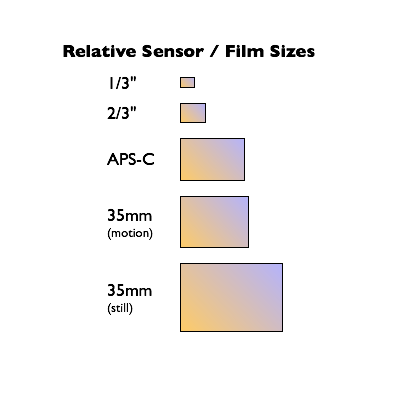
Lens selection must match the camera sensor format.
Common industrial sensor sizes include:
- 1/2.3″
- 1/1.8″
- 1/1.2″
- 1″
- APS-C
Improper sensor matching may cause:
- Vignetting
- Edge blur
- Resolution loss
For deeper understanding, users can review the resources inside the Knowledge Center and related sensor selection materials.
5. Resolution and MTF Performance
Modern AI imaging systems increasingly require:
- 4K compatibility
- 8MP support
- High edge sharpness
- Low chromatic aberration
High MTF (Modulation Transfer Function) performance ensures the lens can resolve fine details accurately across the entire image.
This is especially important for:
- Automated inspection
- Semiconductor imaging
- Precision measurement
- AI recognition systems
6. Distortion Control
Lens distortion affects geometric accuracy.
Low distortion lenses are essential for:
- Machine vision measurement
- Robotics positioning
- Intelligent transportation systems
- Industrial inspection
High-quality industrial optics minimize image deformation to improve recognition accuracy and measurement precision.
Types of Optical Zoom Lenses
Different zoom lens structures are optimized for different applications.
Manual Zoom Lens
Manual zoom lenses require physical adjustment.
Advantages:
- Lower cost
- Stable optical structure
- Suitable for laboratory and inspection systems
Applications:
- Industrial testing
- Factory inspection
- Research imaging
Motorized Zoom Lens
Motorized zoom lenses use electronic control for remote focal adjustment.
Advantages:
- Remote operation
- Dynamic zoom control
- Automation integration
Applications:
- PTZ surveillance
- Robotics vision
- Smart traffic systems
Varifocal Lens
A varifocal lens allows focal length adjustment but usually requires refocusing after zoom changes.
Varifocal lenses are commonly used in:
- Entry-level surveillance systems
- Flexible industrial imaging
Telephoto Zoom Lens
Telephoto zoom lenses are designed for long-distance imaging.
Applications include:
- Drone observation
- Border monitoring
- Highway traffic monitoring
- Wildlife imaging
Optical Zoom Lens Applications
Industrial optical zoom technology is widely used across modern intelligent vision systems.
Machine Vision
In machine vision systems, zoom lenses provide flexible inspection capability for:
- Defect detection
- Precision measurement
- Automated quality control
Explore related applications at:
Robotics Vision
Robotic systems require adaptive field-of-view control for:
- Object tracking
- Bin picking
- Autonomous navigation
- Warehouse automation
Zoom capability improves operational flexibility in dynamic environments.
Smart Security
Security systems frequently use motorized optical zoom lenses for:
- Facial recognition
- Perimeter monitoring
- PTZ surveillance
- Long-distance observation
Optical magnification allows accurate target identification without losing image detail.
Smart Traffic
Traffic imaging systems use zoom optics for:
- License plate recognition
- Vehicle monitoring
- Traffic enforcement
- Intelligent transportation systems
Long focal length capability is critical for highway observation.
Drone Imaging
Drone imaging applications benefit from zoom functionality during:
- Infrastructure inspection
- Power line monitoring
- Mapping
- Remote observation
Telephoto zoom systems help improve safety and operational efficiency.
Medical Imaging
Medical imaging systems require:
- High optical precision
- Stable focus
- Low distortion
- Accurate detail reproduction
Zoom lenses help surgeons and imaging specialists observe critical details during procedures.
How to Choose the Right Optical Zoom Lens
Choosing the correct lens depends on application requirements, sensor compatibility, and environmental conditions.
Step 1 — Define the Application
Ask:
- Is the system for inspection?
- Security monitoring?
- Robotics?
- Long-range observation?
Application goals determine focal length and zoom range.
Step 2 — Match the Sensor Size
Always verify sensor compatibility before selecting a lens.
Improper matching may reduce image quality significantly.
Step 3 — Calculate the Required Field of View
Field of view directly affects object visibility and imaging coverage.
FOV =
Sensor Size × Working Distance
Focal Length
Users can estimate focal length requirements using the:
Step 4 — Consider Working Distance
Long-distance applications usually require:
- Higher focal length
- Larger zoom ratio
- Better stabilization
Short-distance systems often prioritize:
- Wide viewing angle
- Compact lens size
Step 5 — Evaluate Lighting Conditions
Low-light environments benefit from:
- Larger apertures
- Better optical coatings
- High-transmission lens design
Step 6 — Verify Resolution Requirements
Modern industrial cameras increasingly require:
- 4K support
- 8MP compatibility
- AI imaging optimization
Lens resolution should match or exceed sensor resolution.
Step 7 — Select the Correct Mount Type
Common industrial mounts include:
- M12 mount
- CS mount
- C mount
Mount compatibility affects mechanical integration and optical performance.
Common Optical Zoom Challenges and Solutions
| Problem | Possible Cause | Recommended Solution |
|---|---|---|
| Blurry image edges | Low lens resolution | Use high-MTF optics |
| Narrow viewing angle | Excessive focal length | Reduce zoom level |
| Image distortion | Poor optical design | Choose low distortion lens |
| Poor night performance | Small aperture | Select lower F-number lens |
| Focus instability | Weak lens mechanics | Use industrial-grade zoom systems |
Why Optical Zoom Matters in Industrial Vision Systems
Industrial imaging systems increasingly depend on high-quality optical performance to support:
- AI automation
- Smart factories
- Autonomous robotics
- Precision inspection
- Intelligent surveillance
Compared with software-based magnification, real optical zoom preserves image integrity and enables reliable machine analysis.
As imaging requirements continue to evolve, advanced zoom optics play a critical role in improving:
- Recognition accuracy
- Measurement precision
- Operational flexibility
- System intelligence
This is why the optical zoom lens remains a core component in modern industrial camera systems.
Why Choose TOWIN Optical Solutions
TOWIN provides industrial optical solutions for machine vision, robotics, smart security, ADAS, drone imaging, and intelligent automation applications.
Key advantages include:
- Custom optical design support
- Low distortion lens technology
- High-resolution imaging solutions
- OEM/ODM manufacturing capability
- Industrial-grade reliability
- Technical engineering assistance
Users can further explore:
- https://www.towinlens.com/knowledge-center
- https://www.towinlens.com/knowledge-center/Lens-Selection-Resources
- https://www.towinlens.com/knowledge-center/Industrial-Solutions
FAQs
Q: What is an optical zoom lens?
An optical zoom lens changes magnification through physical focal length adjustment while maintaining image quality and resolution.
Q: What is the difference between optical zoom and digital zoom?
Optical zoom uses real lens movement, while digital zoom enlarges images through software processing, often reducing clarity.
Q: How is zoom ratio calculated?
Zoom ratio equals the maximum focal length divided by the minimum focal length.
Q: Are optical zoom lenses suitable for robotics?
Yes. Robotics systems often use zoom lenses for object tracking, flexible viewing angles, and adaptive imaging.
Q: What is the difference between a varifocal lens and a zoom lens?
A zoom lens maintains focus while changing focal length, while a varifocal lens may require refocusing after adjustment.
Q: Does zoom affect image distortion?
Higher zoom levels can increase distortion if optical design quality is poor. Industrial-grade low-distortion lenses help minimize this issue.
Conclusion
An optical zoom lens provides real optical magnification, flexible focal length adjustment, and high-quality image performance for modern industrial imaging systems. From machine vision and robotics to smart traffic and drone imaging, zoom optics play a critical role in enabling accurate observation and intelligent automation.
Selecting the correct lens requires careful evaluation of focal length, zoom ratio, sensor compatibility, field of view, working distance, and resolution requirements. Integrating proper optical design with application-specific needs helps improve imaging reliability and long-term system performance.
To learn more about industrial imaging technologies, visit the TOWIN Knowledge Center and explore professional optical solutions from TOWIN. Whether for robotics, AI inspection, security monitoring, or intelligent transportation, the right optical zoom lens can significantly improve imaging precision and operational efficiency.
.png)