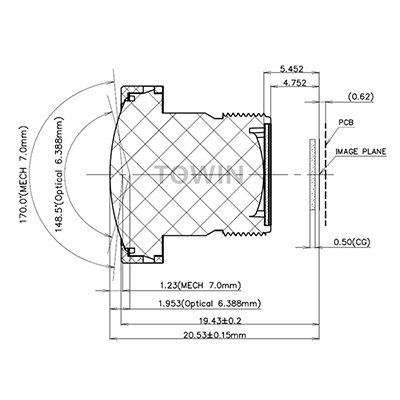



Compact FA Lens: Embedded Vision Ready
10/28/2025
Clear view automotive lens
10/28/2025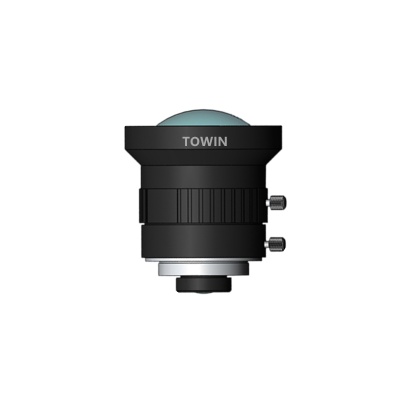
Agriculture is undergoing a technological revolution, and machine vision lenses are at the forefront of this transformation. These advanced optical systems enable farmers to capture high-resolution images, analyze data in real time, and make informed decisions that optimize productivity. From precision farming to automated harvesting, machine vision lenses applied in agriculture are reshaping the industry.
How Machine Vision Lenses Work in Agriculture
Machine vision lenses are specialized optical components designed to capture detailed images in various lighting conditions. Paired with cameras and AI algorithms, they analyze visual data to detect patterns, anomalies, and objects. In agriculture, these lenses are integrated into drones, robots, and handheld devices to monitor crops, livestock, and soil health.
For example, a drone equipped with machine vision lenses can scan a field to identify diseased plants, nutrient deficiencies, or pest infestations. The system processes the images and provides actionable insights, such as where to apply fertilizers or pesticides. This level of precision reduces waste and improves crop yields.
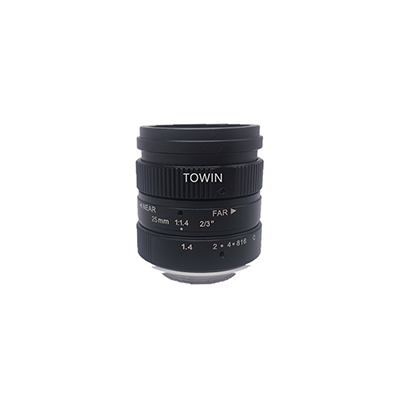
25mm Low Distortion Machine Vision Lens
5 Key Applications of Machine Vision Lenses in Agriculture
1. Crop Monitoring and Disease Detection
Early detection of crop diseases is critical to preventing widespread damage. Machine vision lenses applied in agriculture enable farmers to spot symptoms like discoloration, wilting, or mold before they spread. By analyzing multispectral images, these systems can distinguish between healthy and stressed plants, allowing for targeted interventions.
2. Precision Spraying and Fertilization
Traditional farming methods often involve blanket applications of pesticides or fertilizers, leading to environmental harm and increased costs. Machine vision lenses help optimize these processes by mapping fields and identifying specific areas that need treatment.
How it works: A tractor-mounted camera system uses machine vision lenses to scan crops and adjust spray rates in real time. This reduces chemical usage by up to 40% while maintaining effectiveness.
3. Automated Harvesting
Harvesting fruits and vegetables manually is labor-intensive and time-consuming. Machine vision lenses enable robots to identify ripe produce, assess quality, and pick items with precision.
4. Livestock Health Monitoring
Machine vision lenses aren’t limited to crops—they also play a vital role in animal farming. By monitoring livestock behavior, body condition, and feeding patterns, these systems can detect illnesses or stress early.
5. Soil and Water Management
Sustainable farming requires efficient use of resources like water and soil nutrients. Machine vision lenses applied in agriculture help farmers assess soil moisture, erosion, and nutrient levels by analyzing ground imagery.
Why Machine Vision Lenses Are a Game-Changer for Farmers
The adoption of machine vision lenses in agriculture offers several advantages:
- Increased Efficiency: Automated systems reduce labor costs and speed up tasks like harvesting and monitoring.
- Higher Yields: Early disease detection and precision farming lead to healthier crops and better outputs.
- Sustainability: Reduced chemical and water usage minimizes environmental impact.
- Data-Driven Decisions: Real-time analytics empower farmers to optimize every aspect of their operations.
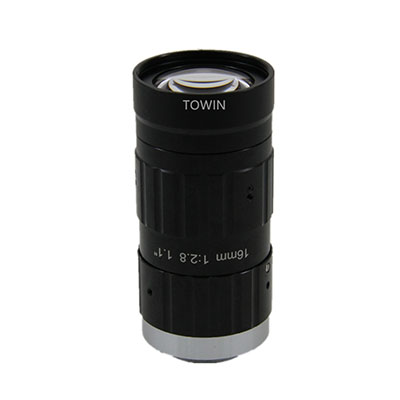
C-mount Machine Vision lens
Challenges and Future Trends
While machine vision lenses applied in agriculture offer immense potential, challenges remain. High initial costs and the need for technical expertise can be barriers for small-scale farmers. However, advancements in AI and cloud computing are making these technologies more accessible.
Future Trends:
- Integration with IoT devices for seamless farm management.
- Development of low-cost, ruggedized lenses for harsh agricultural environments.
- Enhanced AI models capable of predicting crop yields and market demands.
FAQs
1. What are machine vision lenses?
Machine vision lenses are specialized optical components that capture high-resolution images for analysis by AI systems. They are used in agriculture to monitor crops, livestock, and environmental conditions.
2. How do machine vision lenses improve crop yields?
By detecting diseases, pests, and nutrient deficiencies early, machine vision lenses enable farmers to take corrective actions promptly, leading to healthier crops and higher yields.
3. Can machine vision lenses work in low-light conditions?
Yes, many machine vision lenses are designed to operate in various lighting conditions, including low light or nighttime environments, making them suitable for 24/7 farm monitoring.
4. Do machine vision lenses require internet connectivity?
Some systems operate locally, while others rely on cloud-based analytics. Internet connectivity enhances data processing but isn’t always mandatory.
5. What’s the future of machine vision lenses in agriculture?
The market is expected to grow significantly, with innovations like drone-based monitoring and AI-driven predictive analytics becoming standard tools for farmers worldwide.

40mm C mount IR corrected machine vision lenses
Conclusion
Machine vision lenses applied in agriculture represent a paradigm shift in farming. By combining cutting-edge optics with AI, these systems empower farmers to grow more food with fewer resources. As technology continues to evolve, the adoption of machine vision lenses will likely become a standard practice, ensuring a brighter, more sustainable future for global agriculture.