



3mm vs 6mm ITS Lens: Which to Choose?
10/28/2025
Machine vision lenses applied in agriculture
10/28/2025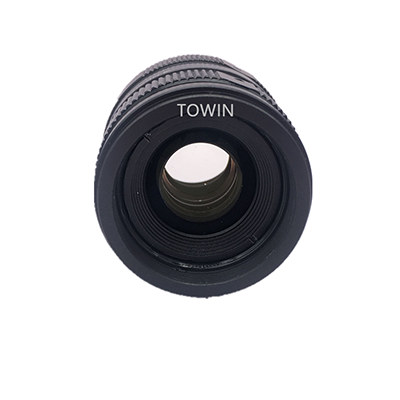
In the rapidly evolving world of embedded vision systems, Compact FA Lens have emerged as a game-changer. These lenses combine precision, durability, and compact design, making them ideal for applications where space is limited but performance cannot be compromised. From industrial automation to medical imaging, the Compact FA Lenses is redefining how machines “see” the world.
Why Compact FA Lens Stands Out in Embedded Vision
The demand for embedded vision systems is skyrocketing, driven by advancements in AI, robotics, and IoT. Traditional lenses often struggle to meet the dual requirements of high image quality and compact form factors. Enter the Compact FA Lenses—a specialized optical solution designed to excel in constrained environments without sacrificing clarity or reliability.
1. Ultra-Compact Design, Maximum Performance
The hallmark of a Compact FA Lens is its ability to fit into tight spaces while maintaining exceptional optical performance. Unlike bulkier alternatives, these lenses are engineered to minimize distortion, chromatic aberration, and vignetting, ensuring crisp images even in challenging lighting conditions. This makes them perfect for applications like:
- Industrial automation (quality control, robotic guidance)
- Medical devices (endoscopes, diagnostic imaging)
- Surveillance systems (compact cameras, drones)
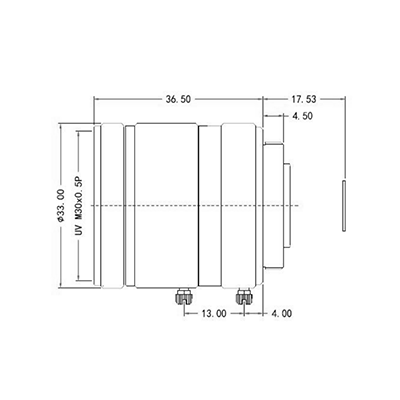
CCTV FA lens 16mm
2. High-Resolution Imaging for Precision Tasks
Embedded vision systems rely on accurate data to make real-time decisions. The Compact FA Lenses supports resolutions up to 4K and beyond, enabling machines to detect minute defects, read barcodes, or recognize faces with pinpoint accuracy. Its low-distortion design ensures that edge-to-edge sharpness remains consistent, a critical factor in applications like semiconductor inspection or pharmaceutical packaging.
3. Durability in Harsh Environments
Embedded systems often operate in extreme conditions—from factory floors with vibrations to outdoor settings exposed to dust and moisture. The Compact FA Lens is built to withstand these challenges, featuring ruggedized housings, anti-reflective coatings, and temperature-resistant materials. This durability reduces maintenance costs and ensures consistent performance over time.
4. Cost-Effective Integration
Despite their advanced features, Compact FA Lenses are designed for affordability. Manufacturers leverage economies of scale and modular designs to offer competitive pricing without compromising quality. This makes them accessible to startups and enterprises alike, accelerating the adoption of embedded vision across industries.
5. Future-Proof Technology
As embedded vision evolves, so do the demands on optics. The Compact FA Lens is built with scalability in mind, supporting emerging trends like multispectral imaging, 3D sensing, and AI-driven analytics. Its compatibility with modern sensors and processors ensures long-term relevance in a fast-paced tech landscape.
Applications of Compact FA Lenses in Embedded Vision
The versatility of the Compact FA Lenses has led to its adoption in diverse fields:
- Automotive: Enhancing ADAS (Advanced Driver-Assistance Systems) with compact, high-resolution cameras.
- Agriculture: Enabling precision farming through drone-based crop monitoring.
- Retail: Powering shelf-inventory robots with real-time object recognition.
- Logistics: Streamlining warehouse automation via barcode scanning and package sorting.
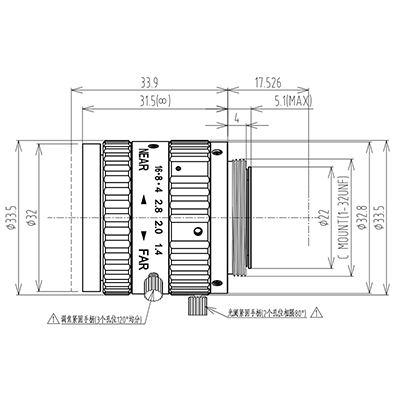
16mm FA Industrial Lens
FAQs
1. What makes a Compact FA Lenses different from standard lenses?
A Compact FA Lens specifically optimizes for embedded vision systems, prioritizing size, weight, and durability while maintaining superior optical performance. Standard lenses, while versatile, may not meet the stringent requirements of space-constrained applications.
2. Can Compact FA Lenses be used in low-light conditions?
Yes! Many Compact FA Lenses feature advanced coatings and large apertures to maximize light intake, making them suitable for low-light environments like nighttime surveillance or underground inspections.
3. How do I choose the right Compact FA Lenses for my project?
Consider factors like resolution, focal length, and environmental resistance. For instance, a Compact FA Lenses with a wide aperture is ideal for high-speed applications, while a ruggedized model suits outdoor use.
4. Are Compact FA Lenses compatible with all embedded cameras?
Most Compact FA Lenses accommodate popular sensor sizes (e.g., 1/2″, 1/1.8″) and support mount types (e.g., C-Mount, CS-Mount). Always verify compatibility with your camera’s specifications.
5. What is the average lifespan of a Compact FA Lenses?
With proper maintenance, a Compact FA Lenses can last 5–10 years, depending on usage conditions. Regular cleaning and avoiding extreme temperatures can extend its lifespan.
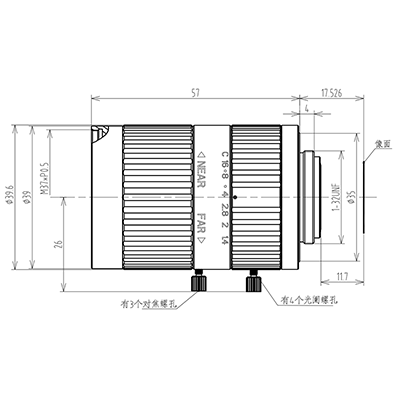
Industrial lens 50mm C-mount FA lens
Conclusion
The Compact FA Lens is not just a component—it’s a catalyst for innovation in embedded vision. By combining cutting-edge optics with a compact footprint, it empowers developers to create smarter, more efficient systems across industries.