


M12 Mount (S Mount ) Vs. C Mount Vs. CS Mount
06/18/2025
Does a 24mm Lens Have Distortion? Understanding Optical Distortion
06/20/2025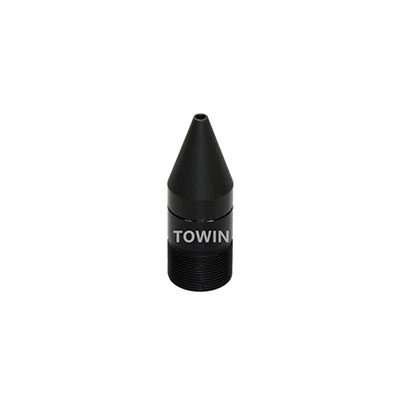
A pinhole lens is a compact optical lens designed for camera systems where limited installation space, specific viewing angles, and suitable image quality are important. In industrial imaging, pinhole lenses are commonly selected for compact camera modules, embedded imaging equipment, and space-constrained camera designs.
Unlike a traditional pinhole camera, which forms an image through a small aperture without a conventional focusing lens, a commercial pinhole camera lens is an optical assembly designed to focus light onto an image sensor. Its optical specifications, mechanical dimensions, and compatibility with the camera system determine its imaging performance.
For engineers and camera developers, understanding the characteristics of an industrial pinhole lens is essential when designing compact imaging systems. This guide explains how pinhole lenses work, their key specifications, common applications, and how to select a suitable megapixel pinhole lens for your project.
1. What Is a Pinhole Lens?
A pinhole lens is a compact camera lens category used in imaging systems that require a small optical footprint. These lenses are designed to work with image sensors and provide a defined field of view while fitting into space-limited camera housings.
In practical camera applications, the term “pinhole lens” generally refers to a miniature optical lens assembly rather than a simple aperture. Depending on the model, it may include multiple optical elements designed to control light transmission, focus, distortion, and image quality.
Compared with larger conventional camera lenses, miniature pinhole lenses can offer advantages in applications where camera size, lens dimensions, and installation flexibility are important.
When selecting a pinhole lens, engineers should consider more than its external size. Focal length, sensor compatibility, field of view, resolution, aperture, and total track length all influence the final imaging result.
2. How Does a Pinhole Camera Lens Work?
A commercial pinhole camera lens works by collecting light from an object and focusing it onto the camera’s image sensor. The optical design determines how much of the scene is captured and how clearly the image details are reproduced.
When light passes through the lens, the optical elements control its direction and focus. The image sensor then converts the incoming light into electronic image data for processing, recognition, or monitoring.
The final image quality depends on several factors:
- Focal length: Determines the viewing angle and image magnification for a given camera configuration.
- Aperture: Influences the amount of light entering the optical system and the available depth of field.
- Optical resolution: Determines how effectively the lens reproduces fine image details.
- Distortion: Affects the geometric accuracy of the captured image.
- Sensor compatibility: Ensures the lens image circle adequately covers the image sensor.
These factors must work together to produce an image that meets the requirements of the camera application. A compact lens should therefore be evaluated as part of the complete imaging system rather than as an isolated component.
3. Key Specifications of Industrial Pinhole Lenses
Choosing the right industrial pinhole lens requires understanding the optical and mechanical parameters that affect camera performance. Different models are designed for different sensor formats, viewing angles, and installation requirements.
3.1 Focal Length (EFL)
Effective focal length (EFL) determines the relationship between the lens, image sensor, and field of view. Shorter focal lengths generally provide wider viewing angles, while longer focal lengths provide narrower viewing angles for a given sensor size and working distance.
For example, a compact camera designed to capture a wider scene may require a shorter focal length. A camera intended to observe a smaller area from a greater distance may require a longer focal length.
The appropriate focal length should be selected according to the required field of view and camera installation distance.
3.2 Sensor Size
Sensor compatibility is another important consideration when selecting a pinhole lens. The lens must provide sufficient image coverage for the camera sensor to avoid unwanted vignetting or dark corners.
Common sensor formats found in miniature camera lens configurations include 1/3-inch, 1/2-inch, and 1/1.8-inch formats, although compatibility varies by model.
Always check the specified sensor format and image circle before integrating a lens into a camera module.
3.3 Resolution and Megapixel Performance
Resolution determines how much image detail a lens can reproduce. A megapixel pinhole lens should be matched with the camera sensor’s resolution and pixel size to achieve the required imaging performance.
A higher-megapixel sensor does not automatically guarantee a sharper image. The optical resolving capability of the lens must also be sufficient to support the sensor.
For compact imaging systems, engineers should evaluate the lens resolution together with sensor specifications, lighting conditions, and the details that need to be captured.
3.4 Field of View (FOV)
Field of view describes the area visible through the camera lens at a particular working distance. It is directly influenced by focal length, sensor dimensions, and object distance.
A wider FOV is useful when a camera needs to capture a larger area, while a narrower FOV may be preferable when the imaging task requires a more restricted viewing area.
Before choosing a lens, define the target area and working distance. You can use the FOV Calculator to estimate the required field of view and narrow down suitable focal length options.
3.5 Aperture and Optical Performance
The aperture, commonly represented by the F-number (FNo.), affects light transmission and depth of field. A lower F-number generally allows more light to enter the lens, which can be beneficial in low-light imaging conditions.
However, aperture selection involves balancing light sensitivity, depth of field, optical aberrations, and image quality. The optimal configuration depends on the camera’s operating environment and imaging requirements.
3.6 Mechanical Dimensions
Mechanical dimensions are especially important for miniature camera systems. Total track length (TTL), lens diameter, mounting interface, and available installation space must all be considered during integration.
A compact optical design can help camera manufacturers develop smaller imaging devices without making unnecessary compromises to the required optical specifications.
4. Common Applications of Pinhole Camera Lenses
Because of their compact form factor and flexible optical configurations, pinhole camera lenses can be considered for different embedded and space-constrained imaging applications. The appropriate model depends on the required image quality, field of view, sensor compatibility, and operating conditions.
4.1 Compact Security Cameras
Compact security cameras often have limited internal space for optical components. A miniature pinhole lens can be considered when the camera design requires a small lens footprint and a specific viewing angle.
Lens selection should account for the camera’s sensor format, installation position, lighting conditions, and required image coverage.
Explore smart security imaging solutions for more information about optical requirements in security camera systems.
4.2 Embedded Vision Systems
Embedded vision systems integrate cameras into compact electronic devices, smart equipment, and automated products. Their limited installation space often requires miniature optical components.
A suitable pinhole lens can support compact camera integration when its optical specifications match the sensor and imaging requirements.
For other compact camera configurations, explore TOWIN’s M12 lens solutions.
4.3 Industrial Imaging and Automation
Industrial imaging systems use cameras to capture visual information for monitoring, identification, and automated processes. In applications with limited installation space, miniature lenses may provide a practical optical solution.
Depending on the required resolution, field of view, and working distance, engineers can evaluate different compact lens configurations for their imaging systems.
Learn more about machine vision lens solutions and the optical requirements of industrial imaging applications.
4.4 Specialized Camera Modules
Specialized camera modules are frequently developed for products with specific size, viewing angle, and optical integration requirements. Examples include embedded monitoring devices and customized imaging equipment.
In these projects, selecting the right lens involves evaluating optical performance and mechanical compatibility together. Custom optical configurations may also be considered when standard products do not fully meet the design requirements.
5. How to Choose the Right Pinhole Lens
Selecting a suitable pinhole lens requires a clear understanding of the camera’s technical requirements. Rather than choosing a lens based only on its physical size or focal length, engineers should evaluate the complete imaging configuration.
Step 1: Identify the Imaging Application
Start by defining what the camera needs to capture. Determine whether the system is intended for security monitoring, embedded imaging, industrial observation, or another specialized application.
The application determines the required viewing angle, image detail, working distance, and environmental performance.
Step 2: Confirm the Image Sensor
Identify the sensor format, resolution, and pixel size of the camera. The selected lens must provide adequate image coverage and optical performance for the sensor.
Step 3: Determine the Required FOV and Working Distance
Measure the distance between the camera and the target object, then determine the area that must be captured. These values help establish the appropriate focal length.
Use the lens field of view calculator to support the initial selection process.
Step 4: Match Resolution and Aperture
Check whether the lens can support the required image detail and whether its aperture is suitable for the available lighting conditions.
For applications that require accurate image analysis, also evaluate distortion, edge sharpness, and overall optical consistency.
Step 5: Verify Mechanical Compatibility
Check the lens diameter, mounting interface, total track length, and available installation space. Confirm that the selected lens can be properly integrated into the camera housing.
Step 6: Compare Available Lens Models
Compare available models according to focal length, sensor size, horizontal field of view, resolution, F-number, and mechanical dimensions.
For a more comprehensive selection process, refer to our Machine Vision Lens Selection Guide.
6. TOWIN Megapixel Pinhole Lens Solutions
TOWIN provides a range of megapixel pinhole lenses for compact camera and imaging applications. The product portfolio includes different focal lengths, sensor formats, viewing angles, and optical configurations to support various camera design requirements.
Available product specifications vary by model. Published examples include focal lengths from 2.5 mm to 70 mm, different sensor formats, and multiple resolution options. Engineers should refer to individual product specifications to confirm the correct configuration for their camera system.
When evaluating a TOWIN pinhole lens, consider the following parameters:
- Effective focal length (EFL)
- Compatible image sensor format
- Horizontal field of view (H.F.O.V.)
- Supported megapixel resolution
- F-number and aperture configuration
- Total track length (TTL)
- Mechanical dimensions and mounting requirements
Explore the complete TOWIN Megapixel Pinhole Lens product range to compare available models and technical specifications.
As an industrial lens manufacturer, TOWIN also supports optical lens development and OEM/ODM requirements for customers with specific imaging and mechanical design needs.
If your project requires a particular focal length, sensor format, viewing angle, or compact mechanical structure, contact our team to discuss the optical requirements and available solutions.
Looking for a Pinhole Lens for Your Camera Project?
Explore our Megapixel Pinhole Lens collection or contact TOWIN to discuss your camera specifications and custom optical requirements.
7. Frequently Asked Questions About Pinhole Lenses
Q1: What is a pinhole lens used for?
A: A commercial pinhole lens is used in compact camera systems where small optical dimensions and specific imaging requirements are important. Depending on the model, applications may include compact security cameras, embedded imaging devices, and specialized camera modules.
Q2: What is the difference between a pinhole camera and a pinhole lens?
A: A traditional pinhole camera forms an image through a small aperture without a conventional focusing lens. A commercial pinhole lens is an optical lens assembly designed to focus light onto an image sensor. The two terms are related but describe different optical configurations.
Q3: How do I choose the right pinhole camera lens?
A: Consider the camera sensor size, focal length, field of view, working distance, resolution, aperture, and available installation space. These specifications should be evaluated together to ensure optical and mechanical compatibility.
Q4: What sensor sizes are compatible with pinhole lenses?
A: Compatibility depends on the specific lens model. Different miniature camera lenses support different sensor formats, such as 1/3-inch, 1/2-inch, and 1/1.8-inch sensors. Always check the manufacturer’s specifications before selecting a lens.
Q5: Are megapixel pinhole lenses suitable for compact security cameras?
A: Selected megapixel pinhole lenses can be suitable for compact security camera designs when their optical specifications match the camera sensor, viewing angle, lighting conditions, and installation requirements.
Q6: Can TOWIN provide customized pinhole lenses?
A: TOWIN supports optical lens development and OEM/ODM projects. Customization requirements depend on the optical design, mechanical structure, production feasibility, and project specifications. Contact our team to discuss your requirements.
Conclusion
A pinhole lens is a useful optical component to consider when developing compact camera systems with specific size, viewing angle, and imaging requirements. Selecting the right model involves balancing focal length, sensor compatibility, resolution, aperture, field of view, and mechanical dimensions.
For camera manufacturers and imaging system developers, understanding these specifications helps ensure better optical integration and more reliable imaging performance. Explore TOWIN’s Megapixel Pinhole Lens solutions to find suitable lens configurations for your project, or contact our team for further technical support.