



M12 board lenses for PCB cameras
08/22/2025
Low-Distortion Lens Meaning
08/22/2025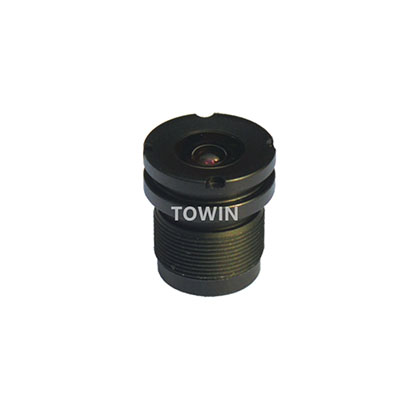
In the ever-evolving world of automotive technology, car lens have emerged as a game-changer, blending functionality with cutting-edge design. These specialized optical components are no longer limited to headlights; they now play a pivotal role in enhancing safety, efficiency, and aesthetics across various vehicle systems.
What Are Car Lens and Their Primary Uses?
Car lens are precision-engineered optical elements designed to manipulate light for specific automotive applications. Unlike standard glass or plastic lenses, car lenses are crafted from advanced materials like polycarbonate or acrylic, which offer durability, heat resistance, and clarity. Their primary uses span from improving visibility to enabling advanced driver-assistance systems (ADAS). Below, we explore five key applications of car lenses that are reshaping the automotive industry.
1. Enhanced Headlight Performance
Modern headlights rely on car lens to distribute light more effectively than traditional reflectors. These lenses project a focused beam that illuminates the road ahead without blinding oncoming traffic. For example, projector headlights use car lenses to create a sharp cutoff line, ensuring optimal visibility in low-light conditions. Some high-end vehicles even incorporate adaptive headlights with car lenses that pivot in sync with the steering wheel, improving cornering visibility.
The benefits are clear: car lenses reduce accidents caused by poor lighting by up to 30%, according to studies by the Insurance Institute for Highway Safety (IIHS).

2.2mm IP67 S-Mount waterproof CCTV Car lens
2. Safety-Critical ADAS Features
Autonomous driving technologies depend on car lens to function accurately. Lidar systems, which use laser pulses to map surroundings, rely on specialized car lenses to focus and direct light. Similarly, cameras for lane-keeping assistance or collision avoidance require car lenses to capture high-resolution images in varying light conditions.
For instance, Tesla’s Autopilot and GM’s Super Cruise utilize car lenses in their camera arrays to detect pedestrians, traffic signs, and road markings. Without these precision-engineered components, ADAS features would struggle to operate reliably, compromising driver safety.
3. Interior Ambient Lighting
Car lens aren’t just for the exterior; they also elevate the driving experience inside the cabin. Ambient lighting systems use car lenses to diffuse soft, colored light across dashboards, door panels, and footwells. This creates a calming atmosphere while reducing eye strain during nighttime driving.
Luxury brands like Mercedes-Benz and Audi have perfected this art, integrating car lenses into their interior designs to offer customizable lighting themes. Some systems even sync with navigation cues, highlighting turns or hazards through subtle color changes.
4. Rearview and Side-Mirror Innovations
Traditional mirrors are being replaced by camera-based systems that use car lens to eliminate blind spots. These digital mirrors provide a wider field of view and can be adjusted to suit different driving conditions. For example, the Audi e-tron features a virtual exterior mirror system with car lenses that reduce wind noise and improve aerodynamics.
Similarly, rearview cameras equipped with car lenses help drivers navigate tight parking spaces or reverse safely. The U.S. National Highway Traffic Safety Administration (NHTSA) mandates these systems in new vehicles, underscoring their life-saving potential. Recommended Reading: Waterproof Automotive Lens
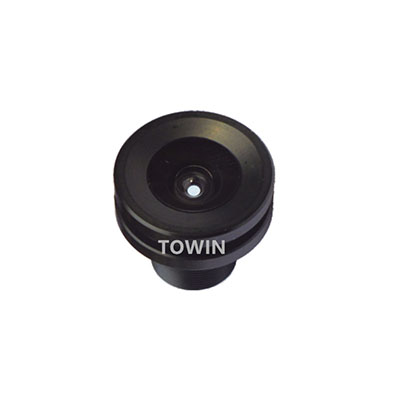
IP67 Car M8-Mount wide angle lens
5. Aesthetic Customization and Branding
Car lens offer automakers a creative canvas to express their brand identity. Tail lights with intricate lens designs, such as Porsche’s signature four-point LEDs or BMW’s “L”-shaped taillights, use car lenses to create iconic visual signatures.
Customization enthusiasts also leverage aftermarket car lenses to personalize their vehicles. Tinted or smoked lenses for headlights or taillights can give a car a sportier, more aggressive look. However, it’s essential to comply with local regulations to avoid safety hazards or legal issues.
The Future of Car Lens: Innovation on the Horizon
As electric and autonomous vehicles gain traction, the demand for advanced car lens will soar. Researchers are developing smart lenses that can adjust their opacity in real-time, reducing glare from sunlight or headlights. Others are exploring holographic displays integrated into windshields, using car lenses to project navigation data directly into the driver’s line of sight.
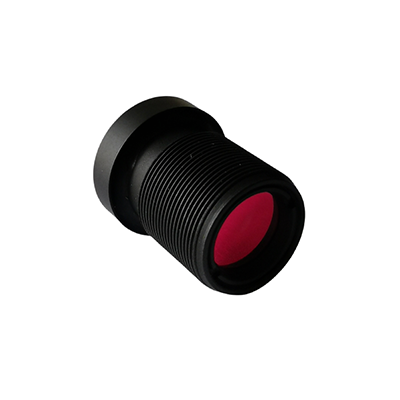
IP67 6mm Waterproof Automotive Wide-Angle Lenses
Conclusion
From enhancing safety to redefining aesthetics, car lenses are indispensable in modern automotive design. Their ability to manipulate light with precision makes them vital for both functional and stylistic applications. As technology advances, expect car lenses to become even more integral to the driving experience, paving the way for safer, smarter, and more visually stunning vehicles.