



Raspberry Pi Wide Angle Lens
09/15/2025
What Does Low Distortion Mean in Lenses?
09/15/2025
When it comes to automotive technology, visibility is non-negotiable. Whether navigating rain-soaked highways or dusty off-road trails, a Waterproof Automotive Lens Explained is a critical component that ensures clear vision and reliable performance.
What Is a Waterproof Automotive Lens?
A Waterproof Automotive Lens Explained is a specially engineered optical component designed to repel water, dirt, and debris while maintaining clarity under extreme conditions. Unlike conventional lenses, which may fog, scratch, or degrade when exposed to moisture, waterproof lenses use advanced coatings and materials to create a hydrophobic barrier. This barrier forces water droplets to bead up and roll off, preventing obscured vision and internal damage.
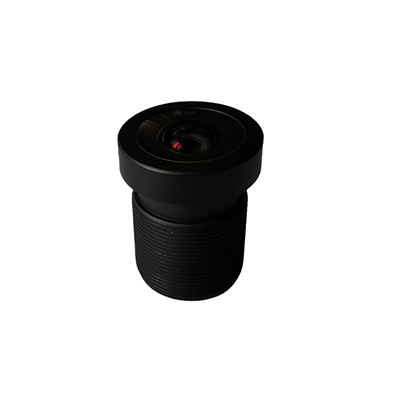
12MP Waterproof IP67 Automotive lens
Key Features and Benefits
1. All-Weather Performance:
Waterproof lenses excel in rain, snow, or humidity. By shedding water instantly, they eliminate glare and streaking, ensuring drivers maintain optimal visibility. This feature is particularly vital for advanced driver-assistance systems (ADAS), such as lane-keeping assist and automatic emergency braking, which rely on unobstructed camera feeds.
2. Enhanced Durability:
These lenses resist corrosion, UV damage, and chemical exposure, extending their lifespan compared to non-waterproof models. For example, a study by Automotive Engineering International found that waterproof coatings reduced lens degradation by 70% in salt-spray tests, making them ideal for coastal regions.
3. Reduced Maintenance Costs:
By minimizing dirt buildup and water spots, waterproof lenses require less frequent cleaning. This not only saves time but also reduces the risk of scratches from abrasive wiping.
4. Improved Safety:
Clear vision directly correlates with safer driving. Waterproof lenses reduce accidents caused by impaired visibility, earning them endorsements from safety organizations like the National Highway Traffic Safety Administration (NHTSA).
Real-World Applications
From headlights and taillights to rearview cameras and sensors, waterproof lenses are integrated into various automotive systems. For instance, Tesla’s Autopilot cameras utilize waterproof lenses to ensure accurate object detection in rainy conditions. Similarly, off-road vehicles like the Jeep Wrangler rely on waterproof headlights to navigate muddy terrain without performance loss.
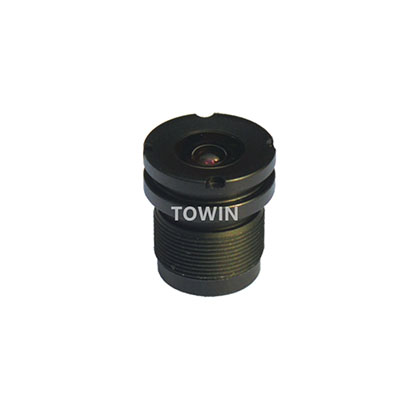
IP67 Automotive S-Mount lens
Choosing the Right Waterproof Lens
When selecting a Waterproof Automotive Lens Explained, consider factors like IP (Ingress Protection) ratings, coating quality, and compatibility with your vehicle’s make and model. For expert insights, visit Automotive Lighting Experts for product comparisons and installation guides.
Conclusion
The Waterproof Automotive Lens Explained is not just an upgrade—it’s a necessity for modern vehicles. By combining cutting-edge technology with rugged design, these lenses deliver unmatched reliability, safety, and cost efficiency.