


Waterproof Automotive Lens Explained
09/15/2025
Consumer electronics optical lens supplier
09/15/2025
When capturing life’s most vivid moments, clarity and accuracy are non-negotiable. For photographers, architects, and content creators, a Low Distortion Lens isn’t just an accessory—it’s a necessity. But What Does Low Distortion Mean in Lenses? and why does it matter?
What Is a Low Distortion Lens?
A Low Distortion Lens minimizes optical imperfections that warp or bend straight lines, ensuring images retain their true proportions. Distortion comes in two primary forms:
- 1. Barrel Distortion: Lines curve outward, creating a bulging effect (common in wide-angle lenses).
- 2. Pincushion Distortion: Lines curve inward, resembling a squeezed cushion (often seen in telephoto lenses).
A Low Distortion Lens uses advanced optical design—such as aspherical elements and precise lens coatings—to counteract these issues. The result? Images that are geometrically accurate, with edges as sharp as the center.
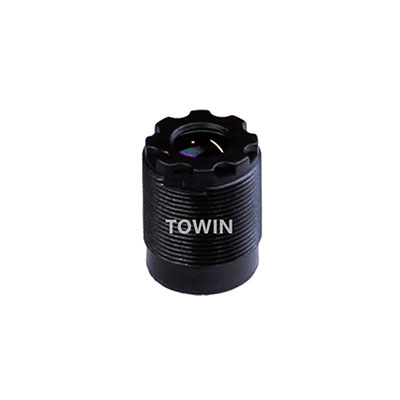
low-distortion-M8-Mount-lens
Why Distortion Matters in Photography
Imagine photographing a skyscraper, only to find the building’s straight lines bowing outward like a funhouse mirror. Or capturing a product photo where circular logos appear oval. High distortion undermines professionalism, making post-processing corrections time-consuming and imperfect.
A Low Distortion Lens eliminates these headaches. Architectural photographers rely on them to showcase buildings’ true designs, while portrait artists use them to avoid unflattering facial distortions. Even videographers benefit, as low distortion ensures seamless stitching for VR or 360-degree content.
Key Benefits of Low Distortion Lenses
- 1. Precision: Ideal for technical fields like real estate, engineering, and scientific documentation.
- 2. Time Efficiency: Reduces the need for software corrections, saving hours in editing.
- 3. Versatility: Works flawlessly for landscapes, portraits, and macro photography.
- 4. Cost-Effectiveness: Avoid investing in multiple lenses by choosing one with minimal distortion.
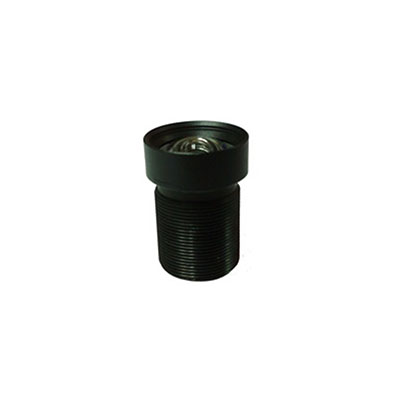
4mm low distortion IR Cut Filter S-Mount Lens
Real-World Applications
- Architecture: Capture buildings without warped perspectives.
- Product Photography: Showcase items with true-to-life shapes.
- Astrophotography: Prevent star trails from bending near image edges.
Conclusion
A Low Distortion Lens isn’t just about technical perfection—it’s about empowering creativity. By eliminating unwanted warping, these lenses let you focus on storytelling, not corrections. Whether you’re a hobbyist or a seasoned pro, upgrading to a Low Distortion Lens is a step toward uncompromising image quality.