


Astronomy pinhole lens
08/22/2025
How Does Aperture Work in Industrial Imaging?
08/22/2025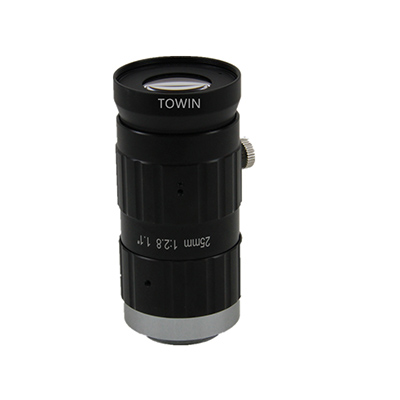
Industrial imaging systems often operate in environments where dust, vibration, temperature changes, and continuous operation can affect equipment stability. In these conditions, industrial lens durability is an important factor in maintaining consistent imaging performance over time. A lens may deliver clear images during initial testing, but its mechanical construction and environmental suitability also determine whether it can maintain reliable operation in a production environment.
For machine vision applications, lens reliability involves more than optical performance. Mechanical stability, secure focusing, material quality, environmental protection, and compatibility with the installation environment all contribute to long-term operation. This article explains the main factors that influence industrial lens durability and what engineers should consider when integrating lenses into automated imaging systems.
Reliable industrial imaging requires a lens that can maintain stable mechanical positioning and suitable operating performance under the actual environmental conditions of the application.
1. Why Lens Durability Matters in Industrial Imaging
Industrial cameras are frequently installed on production lines, inspection stations, robotic equipment, and automated machinery. Unlike occasional-use imaging equipment, these systems may operate for extended periods with limited opportunities for maintenance.
When a lens becomes loose, its focus shifts, or its optical surface becomes contaminated, image consistency may deteriorate. Even small changes can affect downstream inspection processes, particularly when a system repeatedly captures the same target under controlled conditions.
Industrial lens durability matters for several reasons:
- Consistent imaging: Stable mechanical positioning helps maintain repeatable image capture during continuous operation.
- Reduced maintenance: Appropriate construction and protection can reduce the frequency of cleaning, adjustment, or replacement.
- Production stability: Reliable imaging equipment helps reduce interruptions caused by lens-related issues.
- Long-term integration: A lens designed for its installation environment is more suitable for sustained use in automated equipment.
For applications involving automated inspection and production monitoring, explore TOWIN’s machine vision solutions to understand how industrial imaging supports different inspection tasks.

Industrial Inspection
Industrial imaging equipment operating on an automated production line.
2. Environmental Factors That Affect Industrial Lens Reliability
The operating environment should be considered before a lens is installed in an industrial imaging system. Different production environments create different demands on the lens housing, optical surfaces, mechanical components, and sealing structure.
2.1 Dust and Airborne Particles
Dust, metal particles, fibers, and other airborne contaminants may accumulate on exposed optical surfaces or enter inadequately protected mechanical structures. Contamination on the front lens surface can reduce image contrast and introduce unwanted visual interference.
For equipment installed near machining processes, material handling systems, or dusty production areas, engineers should consider the installation position, lens orientation, protective housing, and cleaning requirements.
Where additional protection is necessary, an external protective window or enclosure may be considered. However, its material, thickness, surface quality, and position should be evaluated to avoid introducing reflections or reducing image quality.
2.2 Moisture and Humidity
High humidity, condensation, and occasional water exposure can affect imaging equipment. Moisture may create fogging on optical surfaces or cause problems in mechanical and electrical assemblies if the system is not adequately protected.
For applications exposed to moisture, engineers should verify the protection level of the complete installation rather than assuming that every industrial lens is waterproof. The lens housing, camera interface, cable connections, seals, and external enclosure may all affect the protection of the assembled system.
2.3 Temperature Changes
Industrial equipment may experience temperature fluctuations during startup, continuous operation, or changes in the surrounding environment. Temperature changes can cause mechanical expansion or contraction in lens components and mounting structures.
These changes may influence focus position, alignment, and overall imaging consistency. For applications with significant temperature variation, engineers should verify the specified operating temperature range and evaluate the assembled camera-lens system under representative conditions.
2.4 Vibration and Mechanical Shock
Production machinery, conveyors, motors, and robotic equipment can generate vibration. Repeated vibration may affect mounting stability, focus adjustment, and the positioning of optical components if the installation is not sufficiently secure.
In vibration-prone environments, a rigid mounting structure and suitable mechanical locking methods can help maintain lens position. The complete assembly should be evaluated under the vibration conditions expected during normal operation.
3. Mechanical Design Factors Behind Lens Reliability
Environmental protection is only one part of industrial lens reliability. The mechanical design also influences how well a lens maintains its position and adjustment during operation.
3.1 Stable Lens Housing
The lens housing supports the optical assembly and provides the mechanical interface with the camera or mounting structure. Its material, dimensions, and structural design should be suitable for the intended application.
A stable housing helps protect internal components and maintain the designed alignment of the optical assembly. For industrial equipment, mechanical strength and dimensional consistency are important considerations during product development and manufacturing.
3.2 Secure Focus and Iris Adjustment
Some lenses require manual focus or iris adjustment during installation. Once the desired position has been established, the adjustment mechanism should remain stable during normal operation.
In applications exposed to vibration or frequent equipment movement, engineers should consider whether the lens provides an appropriate locking mechanism or whether additional fixation is required. This helps reduce the possibility of unintended adjustment after installation.
3.3 Mounting and Interface Stability
The mechanical connection between the lens and camera should be compatible with the equipment design. A secure interface helps maintain alignment and reduces the risk of movement during operation.
For example, C-Mount and other industrial lens interfaces are commonly used in different imaging configurations. The selected mounting method should be checked against the camera interface, installation space, and mechanical requirements of the system.
Explore TOWIN’s C-Mount lens range for examples of industrial imaging products and their available specifications.
4. Optical Surface Protection and Maintenance
The condition of the optical surface directly affects the light entering the imaging system. Dust, fingerprints, oil, moisture, and scratches may reduce image quality or create unwanted artifacts.
4.1 Lens Coatings
Optical coatings can help manage reflections and improve light transmission within their intended wavelength range. Appropriate coating design may also help reduce unwanted flare and ghost images in certain lighting conditions.
However, optical coatings should not automatically be regarded as a substitute for physical protection. Their resistance to abrasion, chemicals, moisture, and cleaning agents depends on the specific coating design and product specifications.
4.2 Cleaning and Handling
Correct handling helps prevent unnecessary damage to optical surfaces. During installation and maintenance:
- Avoid touching exposed optical surfaces directly.
- Use suitable lens cleaning materials and procedures.
- Remove loose dust before wiping the optical surface.
- Avoid aggressive solvents unless they are approved for the lens materials and coatings.
- Keep protective caps in place when the lens is not installed.
Regular inspection and appropriate cleaning procedures can help maintain consistent imaging conditions throughout the service life of the equipment.
5. Matching Lens Protection to the Application Environment
Not every industrial application requires the same level of environmental protection. The appropriate lens construction depends on where the camera is installed and what conditions it will encounter.
| Application Environment | Potential Challenge | Considerations |
|---|---|---|
| Factory production line | Continuous operation and vibration | Stable mounting and secure adjustment |
| Machining area | Dust, particles, and possible oil contamination | Protective enclosure and suitable cleaning access |
| Outdoor monitoring | Rain, humidity, and temperature variation | Verified environmental protection for the complete assembly |
| Robotic equipment | Movement, acceleration, and vibration | Secure fixation and mechanical stability |
| Automotive imaging | Temperature changes and environmental exposure | Application-specific qualification and protection requirements |
Define the protection requirements based on actual installation conditions. If a system calls for a specific IP rating, operating temperature range, or vibration resistance, verify these values against the relevant product specifications and system-level test results.
6. How to Maintain Consistent Performance Over Time
Even a mechanically robust lens requires correct installation and maintenance. A practical maintenance plan can help identify changes before they affect the imaging process.
Routine Inspection
Check the lens exterior, mounting connection, optical surface, and adjustment components at appropriate maintenance intervals. Look for loose connections, visible contamination, physical damage, or unexpected changes in focus.
Installation Verification
After installation or maintenance, verify that the lens remains securely mounted and that the imaging system produces consistent results under the intended operating conditions.
Environmental Monitoring
Monitor conditions such as temperature, humidity, vibration, and dust exposure when they are relevant to the application. If operating conditions change, reassess whether the existing lens protection and mounting arrangement remain suitable.
System-Level Testing
For demanding applications, evaluate the lens together with the camera, enclosure, mounting hardware, and lighting system. Testing only the lens separately may not reveal issues introduced by the complete installation.
7. TOWIN Industrial Lens Manufacturing and Quality Considerations
Reliable industrial imaging starts with products that are designed and manufactured according to their intended application requirements. Mechanical construction, assembly consistency, optical inspection, and dimensional verification all contribute to product quality.
At TOWIN, industrial lens development and manufacturing focus on the requirements of machine vision and other imaging applications. Depending on the product and project requirements, relevant quality checks may include:
- Appearance inspection: Checking visible surfaces and product condition.
- Dimensional inspection: Verifying critical mechanical dimensions.
- Optical inspection: Evaluating imaging performance using appropriate optical inspection equipment.
- Assembly verification: Checking product assembly and adjustment condition.
Actual inspection procedures and acceptance criteria may vary according to product specifications and customer requirements. For application-specific projects, engineers should confirm the required environmental and mechanical qualifications before deployment.
Learn more about TOWIN’s capabilities as an industrial lens manufacturer and its approach to optical product development and manufacturing.
8. Frequently Asked Questions About Industrial Lens Durability
Q1: What makes an industrial lens durable?
A: Industrial lens durability depends on several factors, including housing construction, mechanical stability, material quality, mounting security, and suitability for the operating environment. The required protection level should match the actual application conditions.
Q2: Can vibration affect machine vision lens performance?
A: Yes. Repeated vibration may loosen mechanical connections or affect focus and alignment. A suitable mounting structure, secure fixation, and system-level vibration evaluation can help reduce these risks.
Q3: Are all industrial lenses waterproof?
A: No. Industrial lenses have different environmental protection capabilities. Water resistance or waterproof performance should only be assumed when supported by the relevant product specifications and test results.
Q4: How does temperature affect an industrial lens?
A: Temperature changes can cause expansion or contraction in mechanical components and may influence focus position or alignment. Engineers should verify the specified operating temperature range for the intended application.
Q5: How often should an industrial lens be cleaned?
A: Cleaning frequency depends on the operating environment and the amount of contamination. Regular inspection is recommended, and cleaning should be performed when necessary using suitable materials and procedures.
Q6: How can I improve the service life of a machine vision lens?
A: Use an appropriate protective enclosure when necessary, install the lens securely, avoid unnecessary contact with optical surfaces, follow suitable cleaning procedures, and periodically inspect the complete imaging assembly.
Conclusion
Industrial lens durability is an important consideration for machine vision systems operating in demanding environments. Dust, moisture, temperature changes, vibration, and mechanical instability can all influence long-term imaging reliability.
By evaluating environmental conditions, mechanical construction, mounting stability, optical surface protection, and maintenance requirements, engineers can build more reliable industrial imaging systems. TOWIN provides industrial lens products and manufacturing support for different imaging applications. For project-specific requirements, contact the TOWIN team to discuss the intended operating environment and product specifications.
Need an industrial lens for a specific environment?
Share your application conditions, installation requirements, and lens specifications with TOWIN.
Contact TOWIN