


Pinhole Lens Manufacturing
09/02/2025
How to avoid lens distortion?
09/02/2025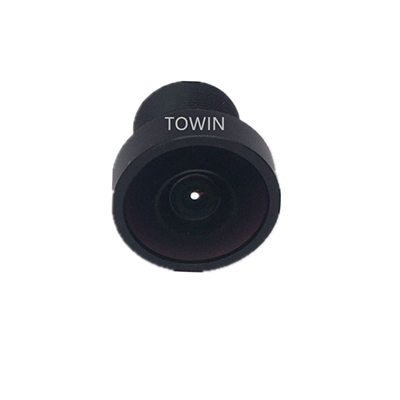
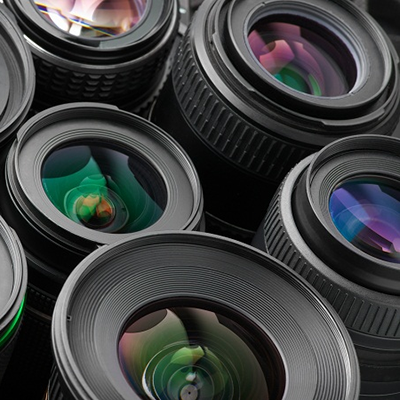
Maintaining a pristine Fisheye Lens is essential for photographers who want to capture the world in its widest, most dramatic form. A Fisheye Lenses offers an ultra-wide angle of view, creating unique, spherical images that can be both artistic and functional. However, because of its distinctive design, cleaning a Fisheye Lenses requires special attention to detail.
Understanding the Importance of Cleaning Your Fisheye Lens
Before diving into the cleaning process, it’s crucial to understand why regular maintenance of your Fisheye Lens is so important. Unlike standard lenses, a Fisheye Lenses has a convex front element that protrudes significantly, making it more susceptible to dust, fingerprints, and scratches. These imperfections can degrade image quality, especially when shooting at wide apertures or in high-contrast lighting conditions. By keeping your Fisheye Lens clean, you ensure that every shot you take is as clear and vibrant as possible.
Step 1: Gather Your Cleaning Supplies
The first step in cleaning your Fisheye Lens is to gather all the necessary supplies. Using the wrong tools or materials can damage the delicate glass or coatings on your lens, so it’s important to choose high-quality products specifically designed for lens cleaning. Here’s what you’ll need:
- Microfiber Cloth: A soft, lint-free microfiber cloth is essential for wiping away dust and smudges without scratching the lens surface.
- Lens Cleaning Solution: Use a solution specifically formulated for camera lenses. Avoid household cleaners, as they may contain chemicals that can damage the lens coatings.
- Blower Brush: A blower brush helps remove loose dust and debris from the lens surface before wiping it down.
- Lens Pen: A lens pen is a handy tool with a soft brush on one end and a cleaning pad on the other, perfect for quick touch-ups.
- Clean Workspace: Choose a clean, dust-free area to perform the cleaning to minimize the risk of reintroducing dirt onto the lens.

Fisheye IR Cut Filter S-Mount Lens
Step 2: Remove Loose Dust and Debris
Before applying any cleaning solution, it’s important to remove any loose dust or debris from the Fisheye Lens. This step helps prevent scratching the lens surface when you wipe it down. Start by using a blower brush to gently blow away any visible dust particles. Hold the lens upside down to allow gravity to assist in removing the debris. If there are stubborn particles stuck to the lens, you can use the brush end of a lens pen to carefully dislodge them. Be sure to brush in a circular motion, starting from the center and working your way outward.
Step 3: Apply Lens Cleaning Solution
Once the loose dust has been removed, it’s time to apply the lens cleaning solution. Spray a small amount of the solution onto a clean microfiber cloth—never directly onto the lens itself, as this can cause liquid to seep into the lens mechanism and cause damage. Gently wipe the lens surface in a circular motion, starting from the center and moving outward. Pay special attention to the edges of the Fisheye Lens, as these areas are more prone to collecting dust and smudges. If you encounter stubborn smudges or fingerprints, apply a little more pressure, but be careful not to scrub too hard, as this can scratch the lens.
Step 4: Use a Lens Pen for Final Touch-Ups
After wiping the lens with the microfiber cloth, you may notice a few remaining smudges or streaks. This is where a lens pen comes in handy. Use the cleaning pad end of the lens pen to gently buff away any remaining imperfections. The pad is designed to pick up oils and residues without leaving behind any lint or scratches. Again, work in a circular motion, starting from the center and moving outward. Once you’re satisfied with the cleanliness of the lens, take a moment to inspect it under good lighting to ensure that no streaks or smudges remain.
Step 5: Store Your Fisheye Lens Properly
Proper storage is just as important as regular cleaning when it comes to maintaining your Fisheye Lens. After cleaning, always store your lens in a protective case or pouch to shield it from dust, moisture, and accidental bumps. If you’re not planning to use the lens for an extended period, consider storing it in a climate-controlled environment to prevent condensation from forming on the glass. Additionally, avoid touching the lens surface with your fingers, as the oils from your skin can leave smudges that are difficult to remove.
Additional Tips for Maintaining Your Fisheye Lens
- Avoid Exposure to Extreme Temperatures: Sudden changes in temperature can cause condensation to form on the lens, leading to moisture damage. Always allow your Fisheye Lenses to acclimate to room temperature before using it or cleaning it.
- Use a UV Filter: A UV filter not only protects your lens from harmful ultraviolet rays but also serves as an additional layer of protection against scratches and smudges.
- Regular Inspections: Make it a habit to inspect your Fisheye Lenses regularly for signs of damage or wear. Catching issues early can prevent them from becoming more serious problems down the line.

1.1mm Waterproof Fisheye Lens
Conclusion
Cleaning your Fisheye Lens doesn’t have to be a daunting task. By following these five powerful steps, you can ensure that your lens remains in top condition, delivering stunning, distortion-free images every time you shoot. Remember to gather the right supplies, remove loose dust, apply the cleaning solution carefully, use a lens pen for final touch-ups, and store your lens properly when not in use. With a little care and attention, your Fisheye Lens will continue to capture the world in all its wide-angled glory for years to come.