


CCTV Lens Resolution: HD, 4K, and Beyond
11/13/2025
Sealed Automotive lens
11/13/2025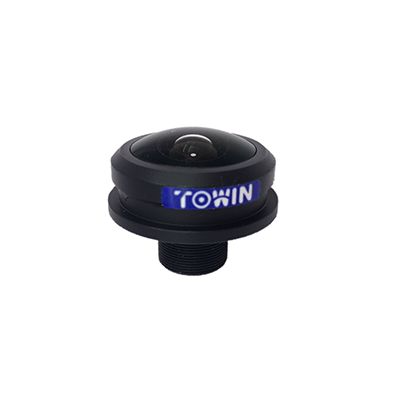
A fisheye lens for video is a powerful tool used by filmmakers, videographers, and content creators to capture wide-angle shots with a unique distorted effect. Whether you’re creating cinematic shots, shooting action sports, or experimenting with creative perspectives, this type of lens offers stunning results that other lenses simply can’t match.
What is a Fisheye Lens for Video?
A fisheye lens for video is a wide-angle lens that creates an ultra-wide field of view, often approaching 180 degrees. It distorts the image, creating a circular or semi-circular effect, which makes it visually distinctive and captivating. Unlike standard wide-angle lenses, fisheye lenses bend straight lines, producing a bulbous or spherical look. This is especially noticeable when shooting objects close to the lens, giving them an exaggerated size or shape.
This lens is ideal for shooting immersive scenes, wide landscapes, or even abstract visuals. It’s often used in genres where dramatic perspectives are required, such as in extreme sports, music videos, and action shots.
Benefits of Using a Fisheye Lens for Video
- 1. Wide Coverage: The fisheye lens for video offers one of the widest angles available in photography and videography, allowing you to capture expansive scenes in a single frame. This makes it ideal for shooting large groups of people, vast landscapes, or entire rooms.
- 2. Unique Distortion: The key characteristic of a fisheye lens is its ability to distort images in a way that adds a creative, almost surreal touch to videos. This distortion can make scenes appear dynamic, energetic, and visually engaging, adding a layer of creativity to your work.
- 3. Perfect for Action Shots: The fisheye lens is frequently used in extreme sports videos because it allows for dramatic and fast-paced shots. It can capture close-up details of athletes while also showcasing the surroundings, making it perfect for skateboarding, biking, snowboarding, and other high-energy activities.
- 4. Enhanced Depth Perception: The wide field of view and distortion created by the fisheye lens can also enhance the sense of depth in your videos. This is particularly useful in situations where you want to create the illusion of a larger, more dramatic space or environment.
- 5. Immersive Visuals: Using a fisheye lens for video creates an immersive experience, especially when filming in tight spaces. Viewers feel as if they’re right in the middle of the action, which can be effective in narrative storytelling, music videos, or virtual tours.
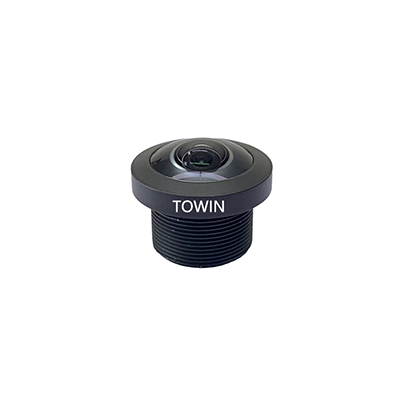
Fisheye lens 1/3″ Φ3 210° HD M12 mount lens
How to Use a Fisheye Lens for Video
While using a fisheye lens for video can be fun and creative, it requires a bit of practice to master. Here are a few tips for getting the most out of this unique lens:
- 1. Focus on Composition: Due to the wide-angle and distortion of the fisheye lens, it’s important to think about composition carefully. Avoid placing subjects too close to the edges, as the distortion can cause them to appear exaggerated or disproportionate.
- 2. Experiment with Angles: Try different angles and heights to create dynamic shots. Tilting the camera or adjusting your position can change how the distortion affects your subjects.
- 3. Use a Stabilizer: To prevent unwanted shakes and jitters, it’s a good idea to use a stabilizer or gimbal when filming with a fisheye lens for video. This will ensure smooth footage, especially in action shots.
- 4. Control the Light: Fisheye lenses can amplify lighting conditions. Make sure you adjust your settings for optimal exposure, particularly when shooting in low light or bright daylight situations.
- 5. Get Creative with Post-Processing: After filming, you can further manipulate the distortion effects in post-production to enhance the fisheye look or correct any unwanted distortion. Software like Adobe Premiere or Final Cut Pro offers tools to adjust the lens effects.
Common Uses for a Fisheye Lens for Video
- Action Sports Videos: Fisheye lenses are a staple for capturing high-energy sports. Whether you’re filming skateboarding, surfing, or motocross, the lens’ ability to capture both the action and surroundings makes it a top choice for extreme sports footage.
- Music Videos: Many music videos use fisheye lenses for their exaggerated, dramatic look. The distorted perspective can make scenes feel more energetic and exciting, creating an edgy atmosphere that matches the music’s vibe.
- 360-Degree Footage: Some filmmakers use fisheye lenses for creating 360-degree videos. The wide field of view allows you to capture everything around you, making it perfect for virtual reality (VR) and interactive videos.
- Architecture and Interiors: Fisheye lenses are great for capturing expansive interior spaces or tight rooms. The wide angle allows you to show more of a space in a single shot, which is useful for real estate videos, architecture, or home tours.

1.1mm Waterproof Fisheye Lens
Is a Fisheye Lens for Video Worth the Investment?
If you’re serious about creating unique, engaging, and visually striking content, a fisheye lens for video is a worthwhile investment. The lens is versatile, offering a wide range of applications from action shots to abstract art. However, it’s important to remember that a fisheye lens isn’t always suitable for every situation. Its distortion can be overwhelming in some contexts, so it’s best used selectively to enhance specific scenes.
FAQs
1. What is the difference between a fisheye lens and a wide-angle lens for video?
A wide-angle lens captures a broader view but does not distort the image. In contrast, a fisheye lens for video produces a much wider field of view (up to 180 degrees) and introduces significant image distortion, giving the footage a unique spherical or bulbous look.
2. Can I use a fisheye lens for video on any camera?
Most fisheye lenses are designed for specific camera types and mounts, such as DSLR or mirrorless cameras. It’s important to check compatibility before purchasing to ensure that the lens fits your camera system.
3. How do I avoid excessive distortion when using a fisheye lens for video?
To minimize excessive distortion, avoid placing subjects too close to the edges of the frame. Also, consider adjusting your shooting angle and distance to achieve a balanced and visually appealing shot.
4. Can a fisheye lens be used for everyday video filming?
While the fisheye lens is incredibly fun and creative, it’s generally not suitable for all types of videos. It’s best used for specific projects where dramatic perspectives and wide coverage are desired.

Fisheye IR Cut Filter S-Mount Lens
Conclusion
A fisheye lens for video opens up a world of creative possibilities for filmmakers and content creators. With its ability to capture vast, immersive scenes and create unique distortion effects, it’s no wonder that this lens has become a favorite in the industry. Whether you’re filming extreme sports, artistic shots, or 360-degree videos, a fisheye lens can give your footage a distinctive look that grabs attention and keeps viewers engaged.