



Wide Angle M12 S-mount 3mm board lens
11/12/2025
Fisheye Lens for Video
11/13/2025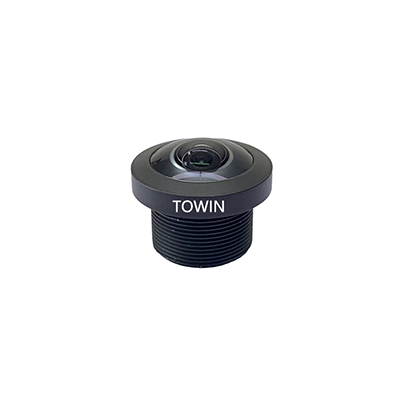
When choosing the right CCTV system for your property or business, one of the most important factors to consider is the CCTV lens resolution. Whether you’re securing your home, office, or retail space, understanding how different lens resolutions—HD, 4K, and beyond—affect the quality of your surveillance footage is key to making an informed decision.
What is CCTV Lens Resolution and Why Does it Matter?
CCTV lens resolution refers to the number of pixels that a CCTV camera can capture. The higher the resolution, the clearer and more detailed the video footage will be. Resolution is typically measured in pixels, with common resolutions being HD (720p or 1080p), 4K, and even higher resolutions for advanced systems. The resolution directly impacts how much detail you can see in the footage, which is essential for identifying faces, license plates, or objects during crucial moments.
In essence, CCTV lens resolution determines the level of clarity in your security footage. It plays a major role in how useful the recorded footage is, especially in incidents where you need to identify suspects or gather evidence.
Understanding HD CCTV Lens Resolution
HD resolution, commonly referred to as 1080p, has been the standard for most CCTV systems for years. Offering a pixel count of 1920×1080, this resolution is ideal for general surveillance needs. HD CCTV lens resolution provides a good balance between video quality and storage requirements, making it suitable for most residential and commercial surveillance applications.
With HD resolution, you’ll be able to capture clear footage of faces, objects, and activities within your field of view. This level of resolution is also relatively less taxing on storage compared to higher resolutions, allowing you to save more video data over a longer period. However, it might not be sufficient for applications where high levels of detail are required, such as large outdoor spaces or high-risk areas.

M12 CCTV lens 3-Megapixel IR corrected
4K CCTV Lens Resolution: The Next Level of Clarity
For those seeking ultra-high-definition footage, 4K resolution is the go-to option. 4K CCTV lens resolution offers four times the detail of HD resolution, with a pixel count of 3840×2160. This means clearer images and the ability to zoom in on specific areas without losing clarity. With the ability to capture finer details, 4K CCTV cameras are ideal for environments that require exceptional video quality.
For example, 4K resolution is perfect for capturing intricate details like faces in crowded areas, license plates, or small objects. It’s especially beneficial in large outdoor surveillance systems or for monitoring high-security environments where clarity is crucial. The downside to 4K CCTV systems is that they require more storage space and greater processing power, which can increase the cost of the system and maintenance.
Going Beyond 4K: 8K and Future Resolutions
While 4K is currently the highest resolution commonly used in CCTV systems, there’s growing interest in even higher resolutions like 8K. CCTV lens resolution beyond 4K provides even more detail and clarity, making it useful for specialized security needs. For example, 8K systems capture 7680×4320 pixels, offering incredible detail that can help in scenarios like monitoring a busy city center or large-scale public events.
However, 8K CCTV systems are still relatively new and not as widely available as 4K or HD cameras. The additional cost, increased storage requirements, and need for specialized equipment make 8K a choice for only the most demanding surveillance situations.
Choosing the Right CCTV Lens Resolution for Your Needs
When selecting the CCTV lens resolution that’s best for you, consider the following factors:
- 1. Area Coverage: If you are monitoring a large area, such as a parking lot or outdoor perimeter, a higher resolution like 4K might be necessary for clearer images over greater distances.
- 2. Purpose: Consider whether you need to capture fine details like facial recognition or license plate identification. Higher resolutions will give you better results in such cases.
- 3. Storage and Bandwidth: Higher resolutions require more storage and faster internet bandwidth. Make sure your system can handle the increased demand before opting for 4K or higher resolutions.
- 4. Budget: While higher resolutions provide better clarity, they can also be significantly more expensive. Make sure your budget aligns with the level of resolution you need.
Advantages and Disadvantages of Higher CCTV Lens Resolution
Advantages:
- Better Clarity: Higher resolutions allow you to capture more detail, making it easier to identify people, objects, and events.
- Improved Zoom Functionality: The ability to zoom into footage without losing clarity is one of the main advantages of 4K and higher resolutions.
- Future-Proofing: As technology continues to improve, investing in higher resolution systems may ensure that your system remains effective for years to come.
Disadvantages:
- Increased Costs: Higher resolutions come with higher upfront costs and additional maintenance expenses.
- Higher Storage Requirements: Storing high-resolution footage can require more disk space, which can add to the overall cost.
- Processing Power: Handling large amounts of high-definition footage requires powerful servers or cloud storage solutions.
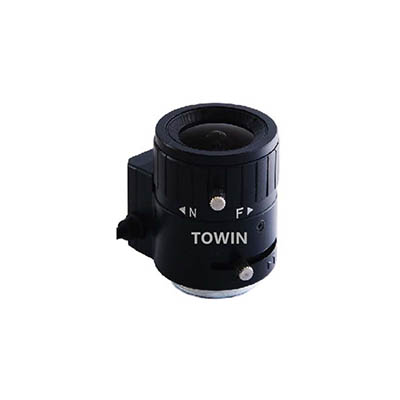
2.8-12mm F1.4 IR Corrected Lens , CCTV Zoom Lens
FAQs
1. What is the difference between HD and 4K CCTV lens resolution?
HD CCTV lens resolution provides 1080p clarity, while 4K resolution offers four times the detail, with 4K cameras capturing 3840×2160 pixels compared to HD’s 1920×1080.
2. Can I upgrade my CCTV system to 4K?
Yes, many CCTV systems allow you to upgrade the cameras to a higher resolution like 4K. However, ensure your existing infrastructure, including storage and network bandwidth, can support it.
3. Is 4K CCTV resolution necessary for home use?
For most residential applications, HD resolution is sufficient. However, if you require higher levels of detail or have specific security concerns, 4K may be a good option.
4. Are there any disadvantages to using 4K CCTV lenses?
The primary disadvantages are the higher costs, increased storage needs, and more intensive processing requirements. These may not be necessary for smaller or lower-risk areas.
5. Can CCTV lens resolution impact surveillance at night?
Yes, higher-resolution cameras typically perform better in low-light conditions, especially when paired with advanced night vision technologies.

2.2mm IP67 S-Mount waterproof CCTV lens
Conclusion
In conclusion, the CCTV lens resolution you choose will depend on your specific security needs, budget, and available infrastructure. While HD resolution remains a solid choice for most general surveillance needs, higher resolutions like 4K provide unmatched clarity, making them ideal for more critical or large-scale security systems.