



Best Fisheye Lens for Underwater Photography
11/03/2025
Low-Distortion Lens Improve Image Quality
11/03/2025
The automotive industry is evolving rapidly, with safety and performance at the forefront of innovation. Among the critical components ensuring driver and passenger security, DOT-certified Automotive lens stand out as a cornerstone of modern vehicle design. These lenses, rigorously tested and approved by the U.S. Department of Transportation (DOT), meet stringent standards for optical clarity, durability, and impact resistance.
Why DOT Certification Matters for Automotive Lenses
The DOT certification process ensures that Automotive lenses adhere to federal safety regulations, specifically under the Federal Motor Vehicle Safety Standard (FMVSS) No. 108. This standard mandates that lenses used in headlights, taillights, and other vehicle lighting systems must withstand extreme conditions, including temperature fluctuations, vibrations, and impacts.
A DOT-certified Automotive lens undergoes rigorous testing for:
- Optical Clarity: Minimizing distortion to ensure clear visibility.
- Impact Resistance: Withstanding debris, stones, or collisions without shattering.
- UV Protection: Blocking harmful ultraviolet rays to prevent lens degradation.
- Thermal Stability: Resisting cracking or warping under extreme temperatures.
Without DOT certification, Automotive lenses may fail to meet these criteria, posing risks such as reduced visibility, lens breakage, or non-compliance with traffic laws.
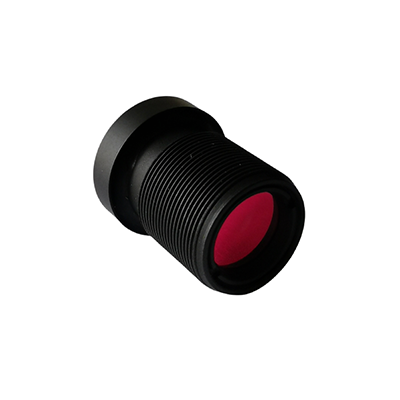
IP67 6mm Waterproof Automotive Wide-Angle Lenses
5 Key Benefits of DOT-Certified Automotive Lenses
- 1. Enhanced Safety: Certified lenses reduce the risk of accidents caused by poor visibility or lens failure.
- 2. Legal Compliance: Using non-certified lenses can result in fines or failed vehicle inspections.
- 3. Longevity: DOT-approved lenses resist wear and tear, saving money on replacements.
- 4. Improved Performance: Optimal light transmission ensures better nighttime driving and adverse weather visibility.
- 5. Resale Value: Vehicles equipped with certified components often command higher prices in the used market.
How to Identify a DOT-Certified Automotive Lens
Not all Automotive lenses are created equal. To verify certification:
- Look for the DOT symbol etched on the lens.
- Check for a manufacturer’s label or part number matching DOT records.
- Purchase from reputable suppliers or directly from OEMs (Original Equipment Manufacturers).
Beware of counterfeit products claiming DOT certification. These often lack proper testing and may compromise safety.
DOT-Certified Automotive Lenses vs. Non-Certified Alternatives
While non-certified lenses may appear cheaper, they carry hidden costs:
- Safety Risks: Poor-quality materials may crack, fog, or distort light.
- Legal Penalties: Driving with non-compliant lenses can lead to tickets or vehicle impoundment.
- Shortened Lifespan: Non-certified lenses degrade faster, requiring frequent replacements.
The Future of Automotive Lenses: Innovations in DOT Certification
Advancements in materials science and manufacturing are pushing the boundaries of Automotive lens technology. For instance, polycarbonate lenses, which are lighter and more impact-resistant than glass, are becoming standard in DOT-certified products. Additionally, smart lenses with adaptive brightness and anti-glare coatings are emerging, though they must still pass DOT scrutiny to ensure safety.
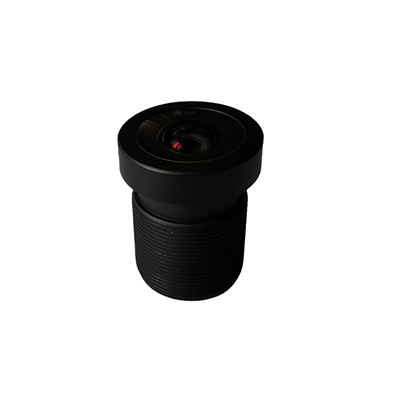
12MP Waterproof IP67 Automotive lens
FAQs
1. What does DOT certification mean for Automotive lenses?
DOT certification confirms that a lens meets U.S. federal safety standards for optical performance, durability, and impact resistance.
2. Are DOT-certified Automotive lenses required by law?
Yes, in the United States, all vehicle lighting components must comply with DOT standards to be legally used on public roads.
3. How often should I replace my DOT-certified Automotive lenses?
While certified lenses are durable, replace them if you notice cracks, fogging, or reduced clarity. Regular inspections are recommended.
4. What happens if I use non-DOT-certified lenses?
You risk fines, failed inspections, and compromised safety. Non-certified lenses may also void vehicle warranties.
5. Are DOT standards the same worldwide?
No. Other countries have equivalent standards (e.g., ECE in Europe), but DOT certification is specific to the U.S.
6. Do DOT-certified lenses improve fuel efficiency?
Indirectly, yes. Better lighting reduces accidents, which can lower insurance costs and vehicle downtime.
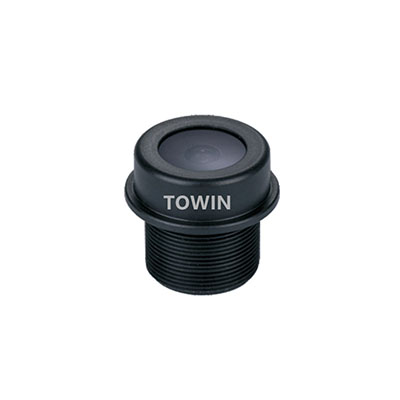
IP67 waterproof automotive lens
Conclusion
In an era where automotive technology is advancing at breakneck speed, the DOT-certified Automotive lens remains a non-negotiable component for safety and compliance. By choosing certified products, drivers protect themselves, their passengers, and others on the road while avoiding legal and financial repercussions.