


Low-distortion CS-Mount lenses for automation
11/14/2025
M12 Lens Aperture Comparison
11/14/2025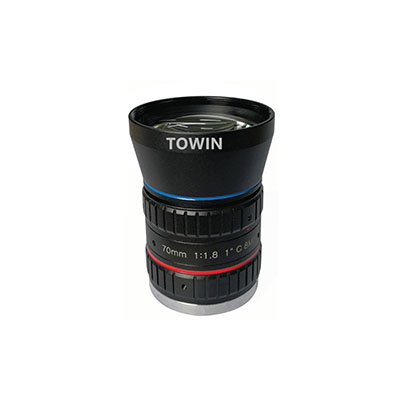
A C-Mount lens is one of the most widely used types of lenses in the world of imaging, photography, and video production. With its unique design and versatile functionality, it has found applications in a variety of fields, from security cameras to industrial machines. This article will provide a comprehensive overview of the C-Mount lens definition and applications, including its technical specifications, practical uses, and why it remains a popular choice for many imaging systems.
What is a C-Mount Lens?
A C-Mount lens refers to a type of lens designed for cameras or other optical devices, with a standardized mount that measures 1 inch in diameter with 32 threads per inch. This thread design allows the lens to be securely attached to a corresponding C-Mount interface, providing a stable connection for capturing clear and sharp images.
One of the key features of a C-Mount lens is its relatively short flange focal distance (17.52 mm), which makes it compatible with a wide variety of cameras. The C-Mount lens is often used in industrial, scientific, and security camera systems due to its precision and adaptability.
Technical Specifications of C-Mount Lenses
A C-Mount lens comes with several specifications that make it a versatile option for various applications:
- Flange Focal Length: 17.52 mm
- Lens Mount Thread: 1 inch, 32 threads per inch
- Sensor Compatibility: It typically works with 1/2-inch, 1/3-inch, and 1-inch sensor cameras.
- Field of View: The C-Mount lens can vary in terms of its field of view, depending on the focal length of the lens used.
These characteristics help C-Mount lenses deliver sharp, detailed images with minimal distortion, making them ideal for both professional and industrial use.
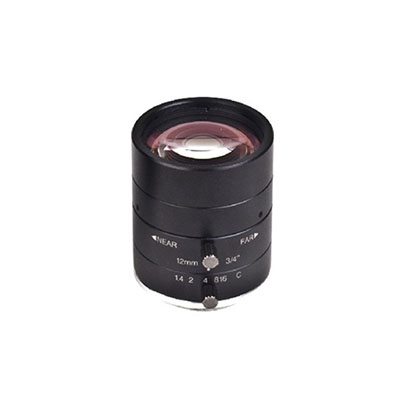
low-distortion C-mount lens
Key Applications of C-Mount Lenses
The versatility of the C-Mount lens makes it suitable for numerous applications across different industries. Below are some of the most common uses:
1. Surveillance and Security Systems
C-Mount lenses are widely used in surveillance and security cameras. Their ability to provide high-quality images, especially in low-light conditions, makes them ideal for monitoring purposes. These lenses can also be easily swapped to change the focal length, which is essential for customizing the field of view depending on the area being observed.
2. Machine Vision
In manufacturing and industrial automation, C-Mount lenses are used in machine vision systems to capture precise images of components and objects moving along assembly lines. These systems rely on high-definition cameras that are equipped with C-Mount lenses to detect defects or quality control issues. The ability to use different focal lengths allows for better flexibility when setting up the camera for specific tasks.
3. Scientific and Research Applications
Scientific research, especially in fields such as microscopy and laboratory imaging, benefits from C-Mount lenses. These lenses are designed to attach to various types of scientific cameras, helping researchers capture microscopic images with clarity and precision. Their ability to interface with different sensors makes them a preferred choice for many researchers.
4. Film and Video Production
Many video production cameras use C-Mount lenses due to their compatibility with a wide range of camera models. The flexibility in focal length options allows filmmakers to create diverse shots with different depths of field and perspectives. These lenses also deliver high-quality, distortion-free images, essential for professional productions.
5. Endoscopy and Medical Imaging
In the medical field, C-Mount lenses are used in endoscopic cameras. These cameras allow doctors and surgeons to perform minimally invasive procedures by providing detailed, real-time images of internal organs. The ability to swap out lenses for different magnifications and focal lengths enhances the accuracy of these medical devices.
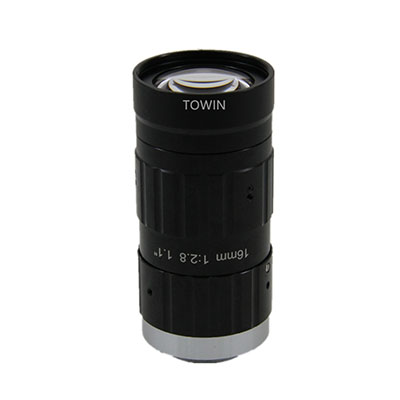
C-mount Machine Vision lens
How to Choose the Right C-Mount Lens
Choosing the right C-Mount lens depends on several factors, such as the type of camera, the required field of view, and the intended application. Here are some considerations to help you select the best lens for your needs:
- Focal Length: Longer focal lengths offer greater magnification but have a narrower field of view, while shorter focal lengths provide a wider field of view.
- Sensor Size: Ensure that the lens is compatible with the size of the camera’s sensor. The larger the sensor, the larger the lens required.
- Aperture: The aperture size affects how much light the lens can capture, which is crucial for low-light applications.
- Resolution: Choose a lens that matches the resolution of your camera. Higher-resolution cameras need high-quality lenses to ensure sharp and accurate imaging.
Advantages and Disadvantages of C-Mount Lenses
Like any optical system, C-Mount lenses come with both advantages and disadvantages. Here’s a breakdown of the pros and cons:
Advantages:
- Flexibility: The ability to change lenses makes C-Mount lenses highly adaptable for different applications.
- Cost-Effective: Compared to other professional lenses, C-Mount lenses are relatively affordable.
- High-Quality Images: These lenses deliver sharp, clear, and distortion-free images, making them suitable for industrial, scientific, and film applications.
Disadvantages:
- Limited Depth of Field: The short flange focal distance may limit the depth of field in some applications.
- Compatibility Issues: While C-Mount lenses are versatile, not all cameras are compatible with them without additional adapters.
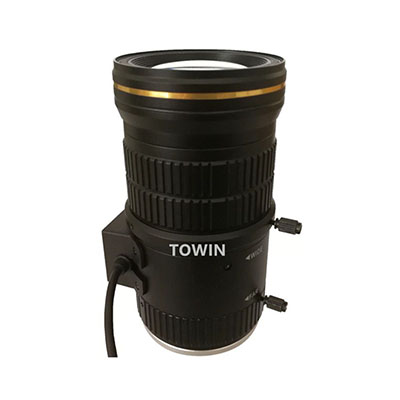
IR-corrected-ITS-traffic-C-mount-CCTV-lens
FAQs
What is the difference between a C-Mount lens and a CS-Mount lens?
While both C-Mount lenses and CS-Mount lenses are similar, the key difference lies in the flange focal distance. A CS-Mount lens has a shorter flange focal distance (12.5 mm) compared to a C-Mount lens (17.52 mm). This means that C-Mount lenses typically require additional adapters when used on cameras designed for CS-Mount lenses.
Can a C-Mount lens be used for digital cameras?
Yes, C-Mount lenses can be used with digital cameras, but the camera must have a compatible lens mount. Many high-end digital cameras, particularly in industrial, security, and scientific sectors, accommodate C-Mount lenses by design.
Are C-Mount lenses only for industrial use?
No, C-Mount lenses commonly serve industrial and scientific fields, but they also find wide use in film, video production, surveillance, and medical imaging.
Can C-Mount lenses be adapted to other types of camera mounts?
Yes, engineers can often adapt C-Mount lenses to other camera mounts using appropriate adapters. However, it is important to ensure that the adapter is of good quality to maintain image clarity and precision.
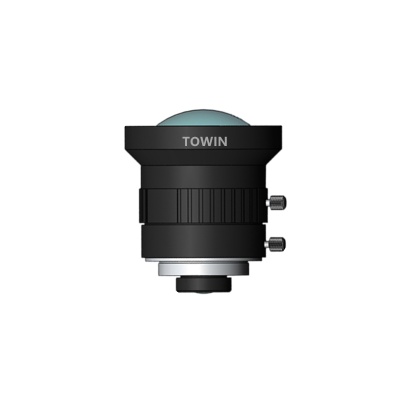
C mount machine vision lenses
Conclusion
The C-Mount lens continues to be a popular choice in various fields due to its versatile design, affordability, and ability to deliver sharp, high-quality images. From industrial automation to video production, C-Mount lenses provide flexibility and precision, making them invaluable tools in both professional and scientific environments.