


How Does Sensor Size Affect Lens Selection?
07/10/2026
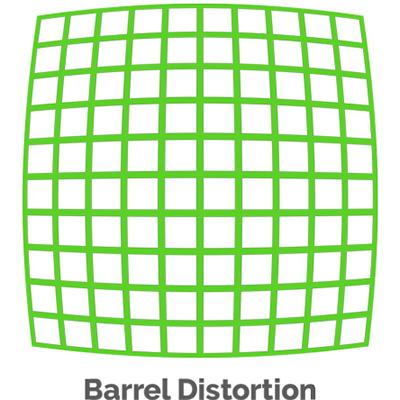
What Is Barrel Distortion?
07/12/2026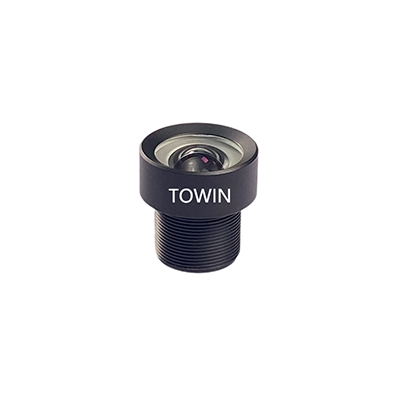
How do I choose a low distortion lens is a common question for engineers developing machine vision systems, automated inspection equipment, and industrial imaging solutions. Selecting the right lens requires more than simply choosing a low distortion specification. Factors such as sensor size, field of view, working distance, resolution, and application requirements all influence the final imaging performance.
A suitable low distortion lens helps maintain accurate object geometry, improve measurement reliability, and reduce image correction requirements in industrial applications.
Before selecting a lens, it is important to understand how optical distortion occurs and how it affects imaging performance. Learn more from our Optical Distortion Guide .
Why Low Distortion Matters in Industrial Vision Systems
Lens distortion changes the geometric relationship between an object and its image. Although small distortion may not be noticeable in normal photography, it can create significant errors in industrial vision applications where accuracy is critical.
Precision Measurement
In measurement systems, even small distortion levels can cause incorrect dimensional calculations. Low distortion lenses help maintain accurate object shapes and improve inspection consistency.
Machine Vision Inspection
Automated inspection systems depend on reliable image information. Excessive distortion may affect defect detection, positioning accuracy, and calibration performance.
Explore industrial applications through our Machine Vision Solutions .
Robotics Vision
Robotic systems require accurate visual information for object recognition and positioning. Distortion control improves system stability and repeatability.
Learn more about: Robotics Vision Solutions .
OCR and AI Vision
Text recognition and AI-based image processing require consistent object geometry. Low distortion optics improve recognition accuracy and reduce software correction requirements.
Key Factors When Choosing a Low Distortion Lens
Choosing the right lens requires evaluating several optical parameters. The best lens is not always the one with the lowest distortion value, but the one that provides the correct balance between distortion, resolution, field of view, and application requirements.
1. Application Requirements
Different applications have different distortion requirements.
| Application | Recommended Distortion Requirement |
|---|---|
| Precision Measurement | Very Low Distortion |
| PCB Inspection | Low Distortion |
| OCR Recognition | Low Distortion |
| Security Imaging | Medium to Low Distortion |
| General Imaging | Standard Distortion Control |
2. Sensor Size Compatibility
The lens must match the camera sensor size to achieve optimal image quality. An incorrect sensor-lens combination can cause poor edge performance, image circle problems, and reduced optical accuracy.
Before choosing a lens, review our Image Sensor Guide to understand sensor formats and compatibility.
3. Field of View Requirements
Field of view directly affects lens selection. Wide-angle lenses provide larger coverage but usually require stronger distortion correction, especially near image edges.
Use our FOV Calculator to estimate the required viewing area before selecting a lens.
4. Working Distance
Working distance determines the physical relationship between the camera, lens, and object. Different working distances may require different focal lengths and optical designs.
5. Resolution Requirements
High-resolution sensors require lenses with sufficient optical performance. A low distortion lens should also provide enough resolution to match the camera sensor capability.
Understanding Low Distortion Lens Parameters
When selecting an industrial lens, engineers should evaluate the following specifications:
| Parameter | Importance |
|---|---|
| Distortion (%) | Determines geometric accuracy |
| Focal Length | Controls field of view and perspective |
| Sensor Size | Ensures complete image coverage |
| Resolution | Matches camera performance |
| Aperture | Affects brightness and depth of field |
| Working Distance | Determines installation flexibility |
For a complete lens evaluation process, refer to our Industrial Lens Selection Guide .
Low Distortion Lens Types Comparison
Different lens categories provide different levels of distortion control. Selecting the correct lens type depends on the application accuracy requirement.
| Lens Type | Distortion Performance | Typical Application |
|---|---|---|
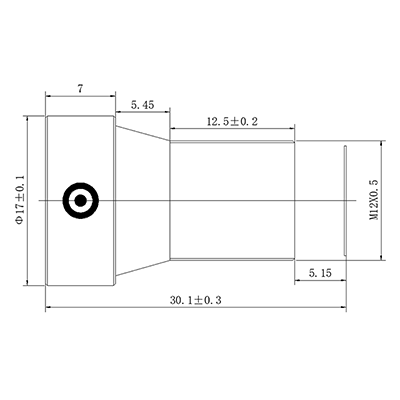
| M12 Lens | Low to Medium | Embedded vision and compact cameras |
| Low Distortion M12 Lens | Low | Compact machine vision systems |
| FA Lens | Very Low | Industrial inspection |
| Telecentric Lens | Extremely Low | Precision measurement |
| Wide Angle Lens | Higher | Large coverage imaging |
How to Select the Right Low Distortion Lens by Application
PCB Inspection
PCB inspection requires accurate image geometry, high resolution, and stable optical performance. Low distortion FA lenses are commonly used for electronic component inspection.
Robotics Guidance
Robotic vision systems require reliable object positioning. A suitable low distortion industrial lens improves recognition accuracy and movement precision.
Embedded AI Cameras
Compact AI cameras often require small form factor optics. Low distortion M12 lenses provide a balance between size, performance, and image accuracy.
Precision Measurement
Measurement systems require the highest geometric accuracy. Telecentric lenses are often selected when extremely low distortion performance is required.
Step-by-Step Low Distortion Lens Selection Process
A systematic selection process helps avoid incorrect lens choices.
- Define the imaging application and accuracy requirements.
- Select a suitable camera sensor size.
- Calculate required field of view.
- Determine working distance.
- Define acceptable distortion level.
- Select the appropriate lens type.
- Test optical performance with the camera system.
For advanced optical requirements, our Optical Design Guide provides additional information about lens optimization.
Common Mistakes When Selecting Low Distortion Lenses
Choosing a Lens Without Checking Sensor Compatibility
A lens that does not properly match the sensor may create image quality problems and reduce usable imaging area.
Ignoring Field of View Requirements
Selecting a lens only based on distortion specifications may result in unsuitable coverage.
Using Software Correction Instead of Optical Correction
Software correction can compensate distortion, but optical correction usually provides better accuracy for precision applications.
Frequently Asked Questions
Q: How do I choose a low distortion lens?
A: How do I choose a low distortion lens depends on your application requirements, sensor size, field of view, working distance, resolution, and acceptable distortion level.
Q: What is considered a low distortion lens?
A: A low distortion lens is designed to minimize geometric deformation and maintain accurate object representation.
Q: Which lens has the lowest distortion?
A: Telecentric lenses usually provide the lowest distortion performance, while low distortion FA lenses provide excellent accuracy for industrial inspection.
Q: Are M12 lenses available with low distortion?
A: Yes. Low distortion M12 lenses are commonly used in compact embedded vision and AI camera applications.
Q: Can software completely remove lens distortion?
A: Software can correct distortion effects, but optical correction is preferred when high measurement accuracy is required.
Q: Does focal length affect lens distortion?
A: Yes. Wide-angle lenses typically require stronger distortion correction due to their larger viewing angle.
Conclusion
Selecting the correct industrial lens requires careful consideration of optical performance, sensor compatibility, field of view, and application requirements. A properly selected low distortion lens improves image accuracy, reduces calibration complexity, and supports reliable machine vision performance.
Understanding how do I choose a low distortion lens allows engineers to make better optical decisions and select the most suitable lens solution for their imaging system.
Need Help Choosing a Low Distortion Lens?
TOWIN provides industrial optical solutions including low distortion lenses, M12 lenses, FA lenses, and customized optical designs.
- Lens and sensor matching
- FOV evaluation
- Distortion analysis
- Custom optical development