

FOV Calculator for Industrial Imaging
Machine Vision Tool
Use the interactive FOV Calculator below to estimate the field of view based on sensor size, focal length, and working distance. This tool helps engineers quickly evaluate lens selection and imaging coverage before system deployment.
What is Field of View (FOV)?
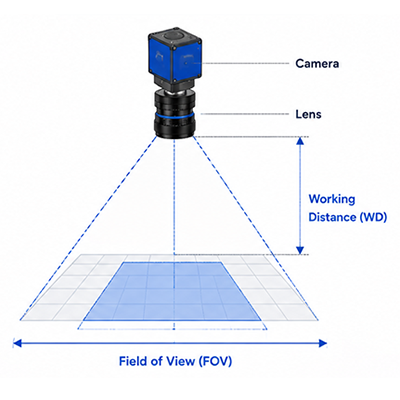
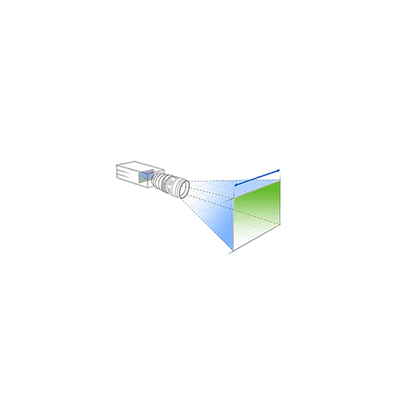
Field of View (FOV) is the observable area captured by a camera system at a specific working distance. It determines how much of an object or scene can be inspected within a single image.
FOV Depends on Three Key Parameters

Sensor Size
A larger sensor captures more area,
resulting in a wider field of view.

Lens Focal Length
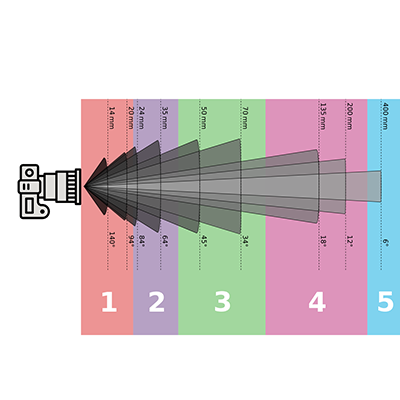
Shorter focal length → wider FOV
Longer focal length → narrower, more
magnified FOV.

Working Distance
Increasing the distance between the camera
and the object expands the field of view.
Key Takeaway
Sensor size, focal length, and working distance work together to determine the size of the area captured in a single image.
How FOV Is Formed
Why Field of View Matters in Machine Vision
Field of view (FOV) is one of the most important factors in machine vision system design. An incorrect FOV can prevent the camera from capturing the entire inspection area, reduce measurement accuracy, and affect the performance of image processing algorithms.
Determining the correct FOV early in the design process helps engineers select the appropriate lens, sensor, and camera position for reliable imaging.
Optimizing the field of view provides several key benefits:
- ✓Capture the complete inspection area in a single image
- ✓Improve measurement and positioning accuracy
- ✓Optimize camera installation and working distance
- ✓Select the correct focal length and industrial lens
- ✓Reduce redesign time and overall system cost
Field of view optimization is widely used in machine vision applications such as automated optical inspection (AOI), robotic guidance, barcode reading, smart traffic systems, biometric recognition, and industrial quality control.
Automated Optical Inspection (AOI)

Robotic Guidance

Barcode Reading

Smart Traffic Systems

Biometric Recognition
Industrial Quality Control
Key Benefits of FOV Optimization

Full Object Coverage
Ensure the entire target is captured with no missing areas.

Higher Measurement Accuracy
Correct FOV improves precision for measurement and defect detection.

Better Camera Positioning
Helps engineers determine the optimal working distance and installation location.

Correct Lens Selection
Easier to choose the right focal length and lens type for the application.

Lower System Cost
Reduces trial-and-error, system redesign, and overall project costs.
Interactive FOV Calculator
Use our Field of View Calculator to estimate the visible inspection area based on sensor size, focal length, and working distance.
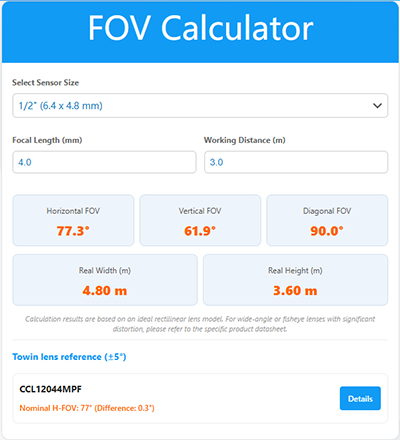
Use the interactive FOV Calculator below to estimate the field of view based on sensor size, focal length, and working distance. This tool helps engineers quickly evaluate lens selection and imaging coverage before system deployment.
FOV Calculation Formula
Horizontal FOV Formula
HFOV = 2 × arctan( sensor width 2 × focal length )
Where:
HFOV = Horizontal Field of View (degrees)
Sensor Width = Width of the camera sensor (mm)
Focal Length = Focal length of the lens (mm)
🧾 Example Calculation
Sensor width: 6.4 mm
Focal length: 8 mm
Calculation:
HFOV = 2 × arctan( 6.4 2 × 8 )
HFOV ≈ 43°
Also Useful
- Vertical FOV Formula
- Diagonal FOV Formula
- FOV Calculator (Try now →)
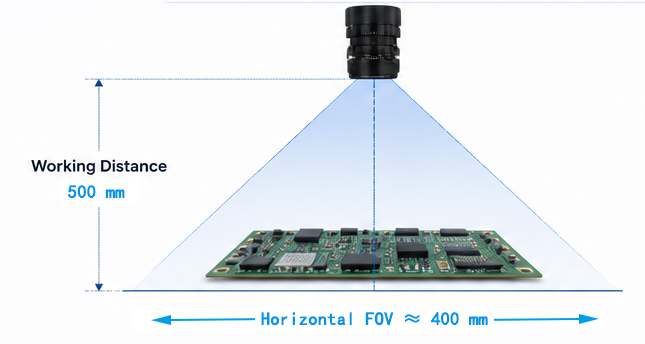
Real-World FOV Calculation Example
INPUT PARAMETERS
CALCULATION RESULT
FOV Formula (Horizontal)
= 3,200 mm ÷ 8
= 400 mm
Horizontal FOV
FOV VISUALIZATION

APPLICATION EXAMPLE
With a horizontal field of view of approximately 400 mm, this configuration is suitable for medium-size PCB inspection, assembly verification, package sorting, and general machine vision applications where a moderate inspection area is required.

ENGINEERING TIP
If the required inspection area is larger than 400 mm, you can:
- ✅ Use a shorter focal length lens
- ✅ Increase working distance
- ✅ Select a larger image sensor
Note: FOV calculation may vary slightly based on lens distortion and sensor effective area.
For high-precision applications, always validate with actual system testing.
Typical FOV Applications
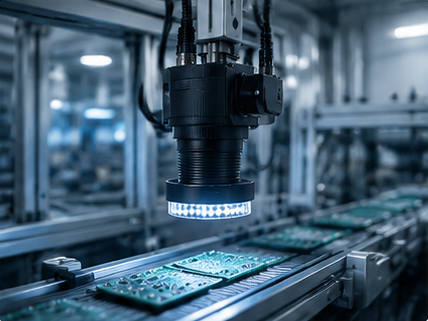
Machine Vision Inspection
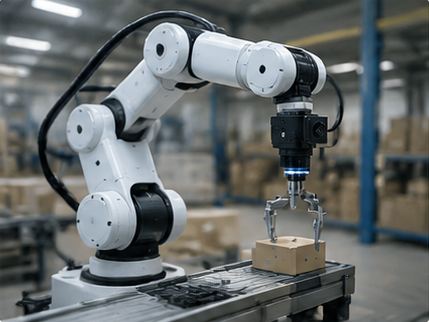
Robotics Vision
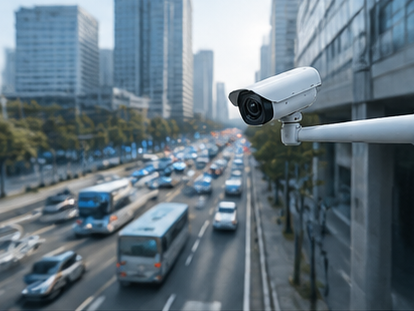
Smart Traffic
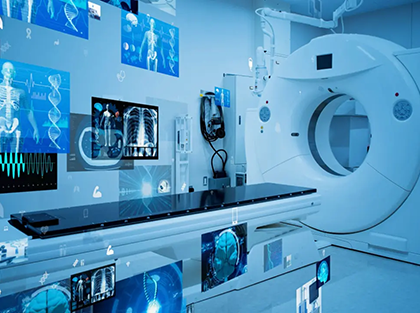
Medical Imaging
How to Choose the Right Lens Based on FOV
Selecting the right industrial lens starts with determining the required field of view (FOV). Once the inspection area is known, you can match the focal length, sensor size, and working distance to achieve the desired image coverage while maintaining sufficient resolution.
Quick Selection Guide
| Requirement | Recommendation |
|---|---|
| Wider Field of View | Shorter focal length |
| Narrower Field of View | Longer focal length |
| Larger Sensor | Larger image circle |
| Short Working Distance | Low-distortion lens |
| Precision Measurement | Low-distortion or telecentric lens |
Sensor Size vs Lens Field of View


Common Field of View Calculation Mistakes
Avoid these frequent mistakes to ensure accurate FOV calculation and the right lens selection for your application.
1. Ignore Sensor Size
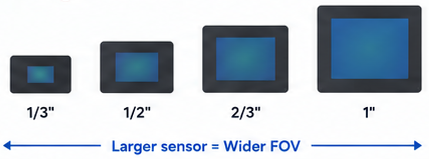
Using the wrong sensor size will lead to incorrect FOV results and inadequate inspection coverage.
2. Wrong Working Distance
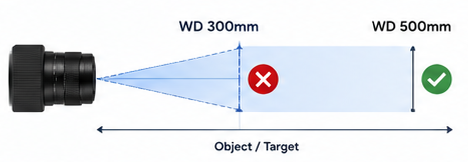
Working distance has a significant impact on FOV. Using the wrong distance will produce inaccurate results.
3. Ignore Lens Distortion
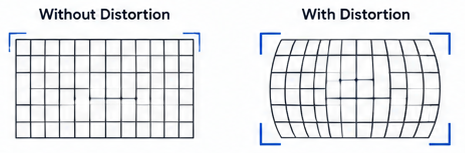
Lens distortion changes the effective FOV, especially near the edges. Always consider distortion for high-precision applications.
4. Use Nominal Sensor Format Only
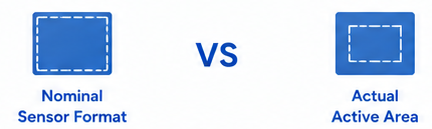
Nominal sensor format is not the same as the actual active area. Using nominal values can lead to incorrect FOV calculations.
5. Select Lens Before Calculating FOV
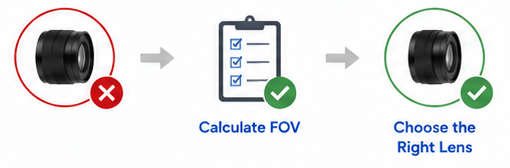
Always calculate the required FOV first, then select the lens that meets your application needs.
Remember: Accurate FOV calculation is the foundation of a successful machine vision system. Take the time to check all parameters carefully before making lens selection decisions.
Related Optical Knowledge
Frequently Asked Questions
Need Help Choosing the Right Industrial Lens?
Towin Lens provides customized industrial imaging solutions for machine vision, robotics, smart traffic, and AI inspection systems.
Let’s Build the Right Optical Solution Together
Have a question, need a quote, or want to discuss your project? Our optical experts are ready to help.

Expert Support
Get professional advice from our optical engineers.

Tailored Solutions
We provide customized lens solutions that fit your application.

Reliable Quality
High-quality manufacturing with strict testing and quality control.

Fast Response
We value your time and will get back to you as soon as possible.
Send Us a Message