


Automotive night vision lens
12/01/2025
CS-Mount lenses for quality inspection
12/01/2025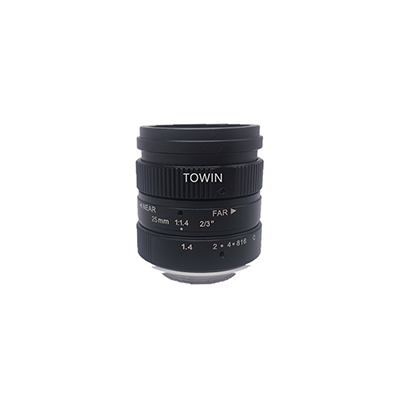
When it comes to choosing the right lens for photography, the 25mm lens often stands out as a versatile and essential tool. But what is a 25mm lens good for, and why should you consider adding it to your camera gear collection?
Understanding the 25mm Lens: Why It Matters in Photography
A 25mm lens is a wide-angle lens commonly used by photographers across various genres. It offers a field of view that’s wider than a standard lens but not so extreme that it distorts the image, making it an excellent choice for a range of applications.
One of the key reasons why this lens is so popular is its ability to produce low-distortion images, especially when used on a full-frame camera. Low distortion lens ensure that your photos maintain natural proportions and sharpness without the bending or warping effects often associated with wider lenses. This makes the 25mm lens an ideal option for shooting landscapes, street photography, and architecture, where precision and clarity are essential.
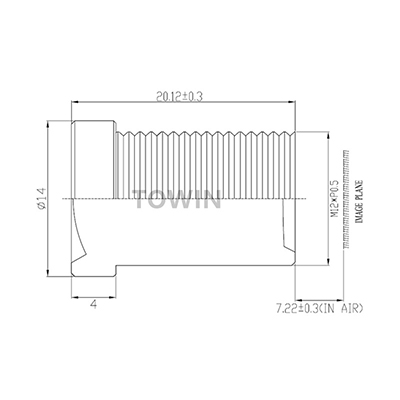
Low distortion CCTV 25mm F2.0 M12 lens
What is a 25mm Lens Good for in Different Photography Styles?
1. Landscapes and Nature Photography
When it comes to capturing vast landscapes, a 25mm lens is a fantastic choice. Its wide-angle view allows you to take in expansive scenes with a natural perspective, making it ideal for sweeping vistas. The low distortion lens helps maintain the straight lines of the horizon, even in wide-angle shots. As a result, your landscape images will appear sharp and true to life.
In nature photography, the 25mm lens also excels. Whether you’re capturing a dense forest or a wide, open field, the wide field of view allows you to include more of the scene without stepping back too far. Plus, the lens’ minimal distortion ensures that trees, mountains, and other natural elements appear realistic, without unwanted bending.
2. Street Photography
For street photographers, a 25mm lens can be a game-changer. The ability to capture more of the scene without having to back away from your subject is crucial for candid shots. It offers the right balance of wide angle and context, letting you include both your subject and the surrounding environment without excessive distortion.
Since a 25mm lens is relatively lightweight and compact, it’s also easy to carry around, making it perfect for spontaneous street photography. The low distortion feature ensures your subjects look natural, even when you’re working in tight spaces or at a close distance.
3. Architecture and Interior Photography
Architectural photographers often prefer lenses that produce minimal distortion, and the 25mm is a top contender in this category. Its low distortion lens quality helps maintain the clean lines and symmetry of buildings, interiors, and urban landscapes. Whether you’re photographing large skyscrapers or detailed interiors, the 25mm lens can give you the precision you need to capture accurate depictions of structures.
Many architectural photographers use the 25mm lens for both exterior and interior shots. In interiors, the lens’ wide perspective allows you to capture entire rooms without needing to use wide-angle lenses that might warp the shapes of furniture or walls.
4. Travel and General Photography
For travelers, a 25mm lens is often the go-to lens for its versatility. It allows you to capture a broad range of subjects—from architecture to people to landscapes—without having to constantly switch lenses. The wide field of view is excellent for taking in the beauty of a location, while the low distortion lens ensures your photos look authentic, even in bustling streets or crowded markets.
Whether you’re exploring a new city or hiking in the mountains, the 25mm lens offers flexibility for a variety of scenes and subjects.
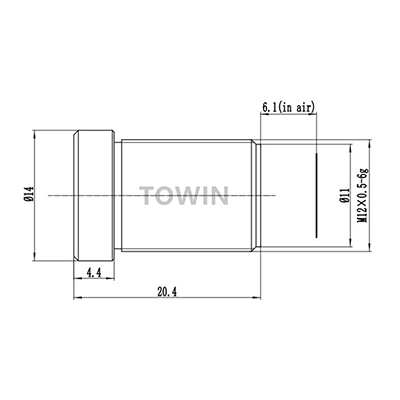
Low distortion CCTV 25mm F2.5 M12 lens
Benefits of a Low Distortion Lens
A low distortion lens minimizes the bending and warping that often occurs with wider focal lengths. Distortion, especially barrel distortion, can cause straight lines—such as horizons or buildings—to curve outward, which can ruin the natural look of your photos. The 25mm lens, with its low-distortion design, offers sharper, more accurate representations of the scene in front of you. This makes it a preferred choice for professionals who require precision, especially in architectural and landscape photography.
Additionally, lenses that offer low distortion tend to be better at controlling chromatic aberration (color fringing) and other optical imperfections, resulting in crisper, cleaner images.
What is a 25mm Lens Good for in Video Production?
Beyond photography, the 25mm lens is also popular in the world of video production. Its wide perspective and low distortion make it suitable for shooting in tight spaces or capturing dynamic action shots. Whether you’re filming a vlog, a documentary, or a short film, the 25mm lens offers a balanced field of view, ensuring that your shots remain steady and smooth.
For filmmakers, having a lens with minimal distortion is crucial for maintaining the integrity of the scene, especially when filming moving subjects or panning shots. The 25mm’s versatility makes it an excellent tool for both handheld and tripod shots.
Is a 25mm Lens Good for Portrait Photography?
While 25mm lenses are often associated with wide-angle photography, they can also be used for portraits in certain situations. The wide angle helps to include more of the environment, which can be particularly useful for environmental portraits. However, for traditional close-up portraits, the 25mm might not be ideal as it can cause distortion in the subject’s facial features, especially if shot too close.
If you plan to use a 25mm lens for portraits, consider using it in a setting that complements the wide perspective, such as outdoor scenes or candid shots where the surroundings play an important role in the story.
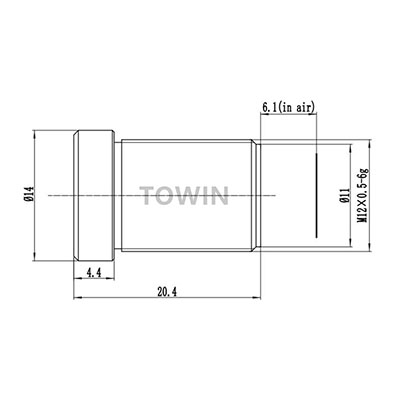
Low distortion CCTV 25mm F2.4 M12 mount lens
FAQs
1. Is a 25mm lenses good for low-light photography?
Yes, the 25mm lenses is good for low-light photography, especially if it has a fast aperture (such as f/1.4 or f/2.8). Its wide field of view allows more light to hit the sensor, making it suitable for evening shots or indoor photography in low-light conditions.
2. Can I use a 25mm lenses for close-up shots?
While a 25mm lens is excellent for wide-angle shots, it’s not typically used for close-up photography. If you want to capture fine details, a macro lens or a lens with a longer focal length might be more appropriate. However, for environmental close-ups where you want to include context, the 25mm lenses works well.
3. What’s the best aperture for a 25mm lenses?
The best aperture for a 25mm lenses depends on your shooting style and conditions. For sharpness and low distortion, an aperture between f/4 and f/8 is often ideal. For more artistic shots with a shallow depth of field, you can open it up to f/1.4 or f/2.8.
4. Is the 25mm lenses good for shooting portraits?
While not the first choice for traditional portraits, the 25mm lenses can work for environmental portraits, especially if you want to capture the subject in their surroundings. However, be mindful of distortion when shooting close-up portraits.
5. Should I choose a 25mm lenses for my travel photography?
Yes, the 25mm lenses is a great choice for travel photography due to its versatility. It can handle everything from landscapes and architecture to street scenes, making it a reliable option for capturing diverse subjects.
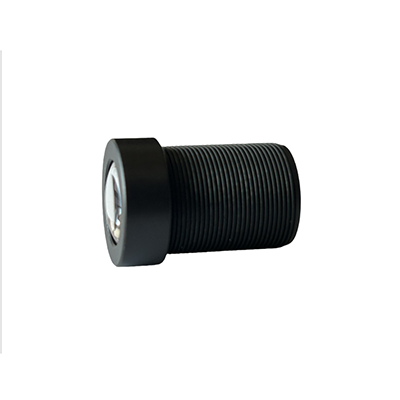
25mm-Low Distortion Telecentric Lens
Conclusion
A 25mm lens is an invaluable tool for a wide range of photography and video applications. Its low distortion properties, versatility, and ability to capture expansive scenes make it a favorite among photographers and videographers alike. Whether you’re shooting landscapes, street photography, architecture, or video content, the 25mm lens can help you achieve sharp, true-to-life images with minimal distortion.