


Fisheye Lens Attachments for Smartphones
11/19/2025
Coating Technologies for Low-Distortion Lens
11/19/2025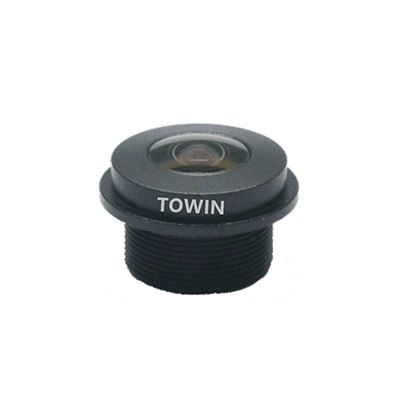
When it comes to automotive safety, visibility is non-negotiable. The Automotive tail light lens plays a pivotal role in ensuring drivers communicate their intentions—whether braking, turning, or reversing—to other road users. These lenses are not just functional; they also contribute to a vehicle’s aesthetic appeal. Modern advancements in materials and design have transformed these components into high-tech safety features that enhance nighttime driving and reduce accident risks.
What Is an Automotive Tail Light Lens?
An Automotive tail light lens is a transparent or translucent cover that protects the internal bulbs or LEDs of a vehicle’s tail lights. It serves two primary purposes:
- 1. Safety: It diffuses light to ensure consistent visibility, even in adverse weather conditions.
- 2. Aesthetics: It adds a sleek, polished look to the vehicle’s rear end.
Historically, tail light lenses were made of glass, but modern designs often use polycarbonate or acrylic for their lightweight, impact-resistant properties. These materials are engineered to withstand extreme temperatures, UV rays, and minor impacts without cracking or fading.

2.2mm IP67 S-Mount waterproof CCTV lens
Key Materials Used in Automotive Tail Light Lens Manufacturing
The choice of material significantly impacts the durability and performance of an Automotive tail light lens. Here are the most common options:
1. Polycarbonate (PC):
- Pros: Highly durable, UV-resistant, and impact-resistant.
- Cons: Prone to scratching if not coated properly.
- Usage: Widely used in premium vehicles for its longevity.
2. Acrylic (PMMA):
- Pros: Excellent optical clarity and scratch resistance.
- Cons: Less impact-resistant than polycarbonate.
- Usage: Common in budget-friendly vehicles.
3. Glass:
- Pros: Scratch-resistant and offers superior clarity.
- Cons: Heavy and brittle, making it less ideal for modern designs.
- Usage: Rare in modern cars but still found in classic models.
Manufacturers often combine these materials or apply coatings to enhance performance. For example, a polycarbonate lens with a hard coating can resist scratches while maintaining its impact resistance.
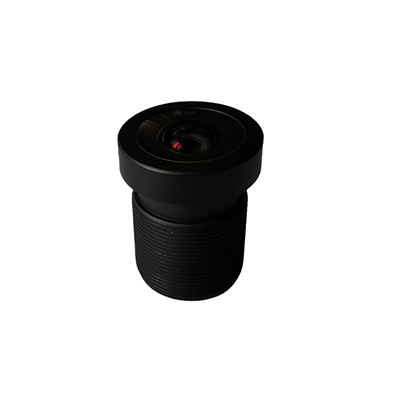
12MP Waterproof IP67 Automotive lens
Innovations in Automotive Lens Design
The automotive industry is constantly evolving, and tail light lenses are no exception. Here are some groundbreaking innovations:
1. LED Integration:
Modern Automotive tail light lens designs seamlessly integrate LED technology, offering brighter, more energy-efficient lighting. LEDs also allow for dynamic lighting patterns, such as sequential turn signals, which improve visibility and style.
2. Smart Lighting Systems:
Some high-end vehicles now feature adaptive tail lights that adjust brightness based on ambient light conditions. For instance, they dim automatically in well-lit areas to avoid dazzling other drivers.
3. Aerodynamic Shapes:
Sleeker, more aerodynamic lens designs reduce drag and improve fuel efficiency. These shapes also contribute to a vehicle’s modern aesthetic.
4. Self-Healing Coatings:
Emerging technologies include lenses with self-healing properties that repair minor scratches when exposed to heat or sunlight.
For more insights into cutting-edge automotive lighting, visit Automotive Lighting Innovations.
Why Maintenance Matters for Your Automotive Tail Light Lens
A well-maintained Automotive tail light lens ensures optimal performance and safety. Here’s how to keep yours in top condition:
1. Regular Cleaning:
Use a microfiber cloth and mild soap to remove dirt and grime. Avoid abrasive cleaners that can scratch the surface.
2. Check for Cracks or Fogging:
Cracks or moisture inside the lens can reduce visibility. Replace damaged lenses immediately to avoid safety risks.
3. Replace Bulbs Promptly:
A burnt-out bulb can cause uneven lighting, making your vehicle harder to see. Always use OEM-recommended bulbs for compatibility.
4. Protect from UV Damage:
If your vehicle is parked outdoors frequently, consider applying a UV-protective coating to the lens to prevent fading.
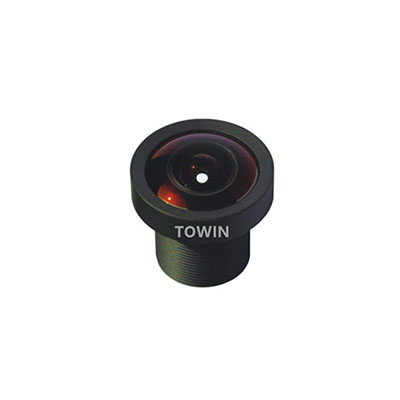
IP67 low distortion wide angle Automotive Lens
FAQs
How often should I replace my Automotive tail light lens?
There’s no fixed timeline, but replace it if you notice cracks, fogging, or reduced brightness. Regular inspections can help catch issues early.
Can I use aftermarket lenses for my vehicle?
Yes, but ensure they meet safety standards and fit your vehicle’s make and model. Poor-quality lenses may not diffuse light properly, compromising safety.
What causes fogging inside the tail light lens?
Moisture can seep in through cracks or worn seals. If fogging persists after cleaning, the lens or housing may need replacement.
Are LED tail light lenses better than traditional bulbs?
LED lenses offer brighter, more efficient lighting and longer lifespans. They also enable dynamic lighting features unavailable with traditional bulbs.
Can I polish scratches out of my Automotive tail light lens?
Minor scratches can sometimes be buffed out with a plastic polish. However, deep scratches may require professional repair or replacement.
Conclusion
The Automotive tail light lens has come a long way from its humble beginnings. Today, it’s a fusion of safety, style, and innovation, playing a crucial role in modern vehicle design. As technology advances, we can expect even smarter, more durable lenses that further enhance driving safety and aesthetics.