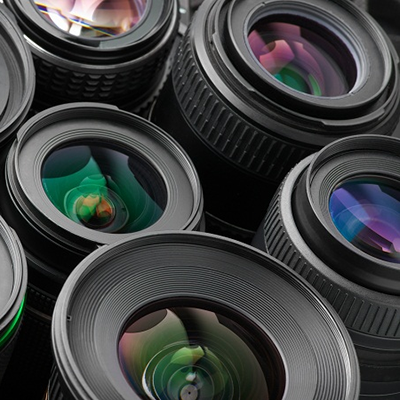



<1% Distortion ITS Lens
10/21/2025
Shockproof CCTV lens
10/21/2025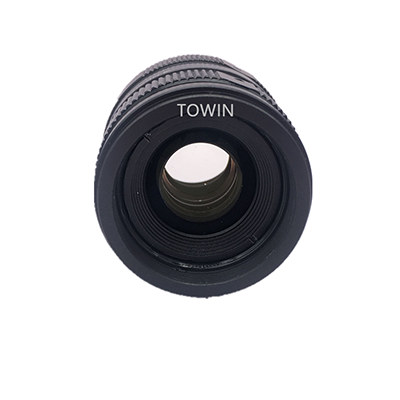
Photography enthusiasts and professionals alike constantly seek tools that blend innovation with reliability. Among these, the Fixed Aperture FA Lens stands out as a game-changer, offering unmatched consistency and performance. Whether you’re capturing portraits, landscapes, or action shots, this lens type ensures your vision translates seamlessly into reality.
What Is a Fixed Aperture FA Lens?
A Fixed Aperture FA Lens is a premium optical tool designed to maintain a constant aperture across all focal lengths. Unlike variable-aperture lenses, which adjust their f-stop as you zoom, the Fixed Aperture FA Lenses keeps the same light-gathering capability, ensuring consistent exposure and depth of field. This makes it ideal for photographers who prioritize precision and creative control.
The “FA” in FA Lens typically stands for “Full Aperture” or “Fixed Aperture,” depending on the manufacturer. These lenses are often favored by professionals for their durability, sharpness, and ability to perform in low-light conditions.
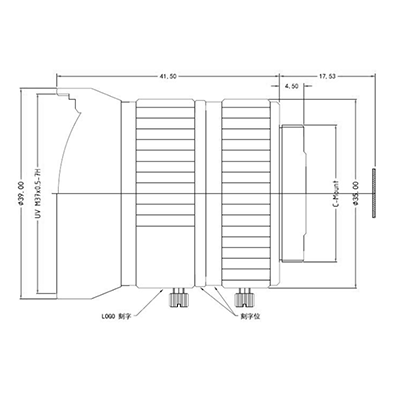
5-Megapixel low-distortion FA lens
Why Choose a Fixed Aperture FA Lens?
1. Consistent Exposure in Changing Conditions
With a variable-aperture lens, zooming in or out can alter your exposure settings, forcing you to adjust ISO or shutter speed. The Fixed Aperture FA Lenses eliminates this hassle, letting you focus on composition without technical distractions.
2. Superior Low-Light Performance
A wider aperture (e.g., f/2.8) allows more light to hit the sensor, making the FA Lens perfect for indoor photography, night scenes, or golden-hour shots.
3. Shallow Depth of Field for Artistic Effects
Want to isolate your subject with a creamy bokeh? The FA Lens excels at achieving that dreamy background blur, elevating your portraits and macro photography.
4. Faster Autofocus and Shutter Speeds
More light means quicker autofocus and the ability to use faster shutter speeds, reducing motion blur in fast-paced scenarios like sports or wildlife photography.
5. Durability and Professional Build Quality
FA Lenses are often constructed with weather-sealed bodies and robust materials, ensuring they withstand harsh environments.
Fixed Aperture FA Lens vs. Variable Aperture: Which Is Right for You?
While variable-aperture lenses are lighter and cheaper, they compromise on consistency. For instance, a 24-70mm f/2.8 Fixed Aperture FA Lens will maintain f/2.8 throughout its range, whereas a variable-aperture alternative might drop to f/4.5 at 70mm. This difference is critical for professionals who need predictable results.
Pro Tip: If you frequently shoot in low light or require rapid adjustments, the Fixed Aperture FA Lens is worth the investment.
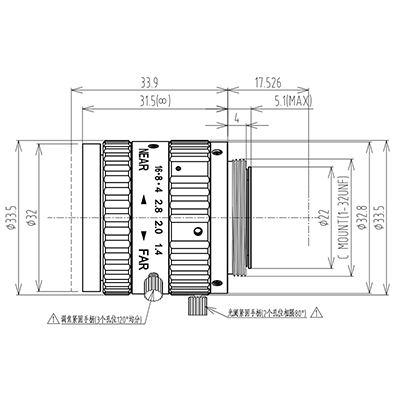
16mm FA Industrial Lens
How to Use a FA Lens for Stunning Results
1. Master Manual Mode
Experiment with aperture settings to control light and depth of field. Pair with a tripod for long exposures.
2. Leverage Bokeh for Portraits
Open the aperture to f/2.8 or wider to blur distractions and highlight your subject’s features.
3. Capture Motion with Precision
Use faster shutter speeds (made possible by the lens’s light intake) to freeze action without blur.
4. Optimize for Video
The consistent aperture ensures smooth exposure transitions during filming, avoiding the “aperture jump” effect common with variable lenses.
FAQs
1. What makes a FA Lens better for low-light photography?
A wider, constant aperture lets in more light, reducing the need for high ISO settings and minimizing noise.
2. Can I use a FA Lens on a crop-sensor camera?
Yes! However, the effective focal length may change. For example, a 50mm lens on a crop sensor acts like a 75mm lens.
3. Are FA Lenses worth the extra cost?
Absolutely if you prioritize consistency, low-light performance, and professional build quality. For casual shooters, a variable-aperture lens might suffice.
4. How do I clean a FA Lens?
Use a microfiber cloth and lens-cleaning solution. Avoid touching the glass directly, and store it in a dry, padded case.
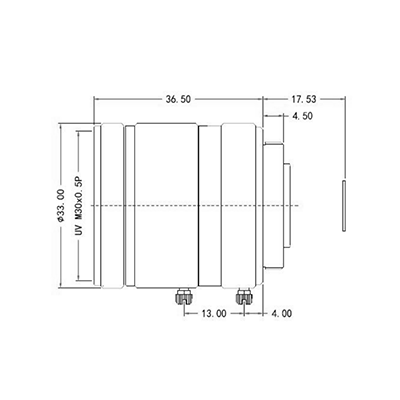
CCTV FA lens 16mm
Conclusion
The Fixed Aperture FA Lens is a powerhouse tool for photographers seeking precision, creativity, and reliability. By maintaining a constant aperture, it simplifies exposure management, enhances low-light performance, and delivers professional-grade results.