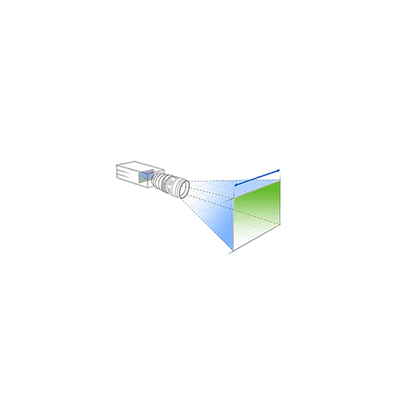



Industrial Lens Aperture Size Guide
10/13/2025
FA Lens for Pharma Packaging
10/13/2025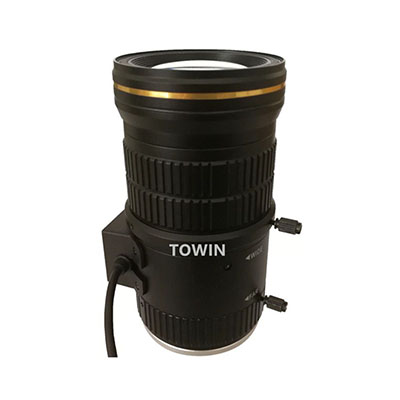
In the world of imaging technology, the choice between a Standard ITS Lens and an Aspherical ITS Lens can significantly impact clarity, distortion, and overall system efficiency. ITS (Intelligent Transport Systems) lenses are critical in applications like traffic monitoring, autonomous vehicles, and surveillance, where precision is non-negotiable.
Understanding ITS Lenses: A Quick Overview
ITS lenses are designed to optimize visual data capture in dynamic environments. Whether tracking vehicle speeds, monitoring pedestrian traffic, or enabling machine vision in smart cities, these lenses must deliver sharp, distortion-free images. The debate between Standard ITS Lens and Aspherical ITS Lens hinges on their optical designs and performance under real-world conditions.
Standard ITS Lens: The Traditional Choice
A Standard ITS Lens typically uses spherical surfaces, where all points on the lens curve equally. These lenses are simpler to manufacture and cost-effective, making them a popular choice for basic imaging needs.
Pros:
- Affordability: Lower production costs translate to budget-friendly pricing.
- Simplicity: Easier to design and integrate into existing systems.
- Adequate for Basic Use: Suitable for applications with minimal distortion requirements.
Cons:
- Spherical Aberration: Light rays focus at different points, causing blurriness at the edges.
- Limited Sharpness: Reduced clarity in high-resolution or wide-angle setups.
- Distortion: Common in wide-angle lenses, leading to warped images.
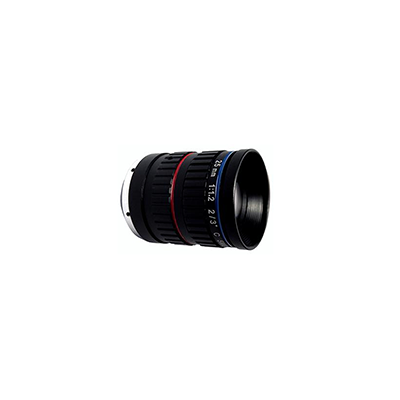
F1.2 ITS Lens
Aspherical ITS Lens: The Precision Upgrade
An Aspherical ITS Lens incorporates non-spherical surfaces, where the curvature varies to correct optical imperfections. This design minimizes aberrations and enhances image quality, especially in edge-to-edge sharpness.
Pros:
- Reduced Aberration: Eliminates spherical distortion for crisper images.
- Improved Sharpness: Consistent focus across the entire frame.
- Compact Design: Achieves similar focal lengths with fewer lens elements.
- Better Low-Light Performance: Enhanced light gathering reduces noise.
Cons:
- Higher Cost: Complex manufacturing increases upfront expenses.
- Design Complexity: Requires precise engineering for optimal results.
- Standard vs Aspherical ITS Lens: Key Comparisons
1. Image Quality
- Standard ITS Lens: Prone to edge blurriness and chromatic aberration, especially in wide-angle shots.
- Aspherical ITS Lens: Delivers uniform sharpness, making it ideal for high-resolution cameras.
2. Distortion Control
- Standard ITS Lens: Often exhibits barrel or pincushion distortion in wide-angle applications.
- Aspherical ITS Lens: Virtually eliminates distortion, ensuring accurate representation.
3. Cost Efficiency
- Standard ITS Lens: More affordable for large-scale deployments.
- Aspherical ITS Lens: Higher initial investment but reduces long-term maintenance costs.
4. Application Suitability
- Standard ITS Lens: Best for basic surveillance, license plate recognition, or low-budget projects.
- Aspherical ITS Lens: Preferred for autonomous vehicles, traffic flow analysis, and high-stakes security systems.
5. Light Efficiency
- Standard ITS Lens: May require brighter lighting to compensate for optical flaws.
- Aspherical ITS Lens: Performs well in low-light conditions, reducing the need for additional illumination.
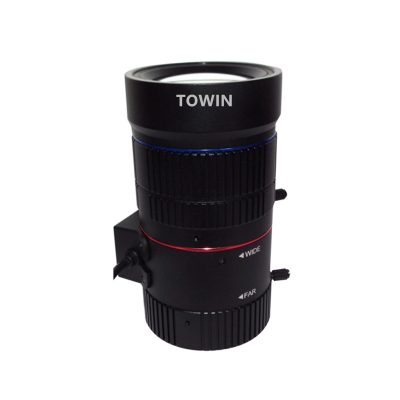
70mm C-mount ITS traffic road CCTV lens
Which ITS Lens Should You Choose?
The decision boils down to your specific needs:
- Opt for a Standard ITS Lens if budget constraints are tight and basic imaging suffices.
- Invest in an Aspherical ITS Lens for cutting-edge applications where precision and reliability are paramount.
For instance, a city deploying traffic cameras might initially use Standard ITS Lenses to cover a wide area economically. However, upgrading to Aspherical ITS Lenses in high-risk zones (e.g., school zones or toll booths) could enhance safety and reduce accidents.
External Expert Insight
According to a study by Optical Engineering Journal, aspherical lenses reduce system complexity by up to 40% in machine vision applications, proving their long-term value.
FAQs
1. What causes spherical aberration in Standard ITS Lenses?
Spherical aberration occurs because light rays passing through the edges of a spherical lens focus at different points than those passing through the center, leading to blurriness.
2. Can Aspherical ITS Lenses replace Standard ITS Lenses entirely?
Not necessarily. While aspherical lenses offer superior performance, their higher cost makes Standard ITS Lenses viable for cost-sensitive projects.
3. Do Aspherical ITS Lenses require special maintenance?
No, both lens types require similar care. However, aspherical lenses may last longer due to their robust design.
4. Are Aspherical ITS Lenses heavier than Standard ones?
Not always. Aspherical lenses often use fewer elements, which can reduce weight despite their complex surfaces.
5. Which ITS Lens is better for nighttime surveillance?
Aspherical ITS Lenses excel in low-light conditions due to their efficient light gathering and reduced aberrations.
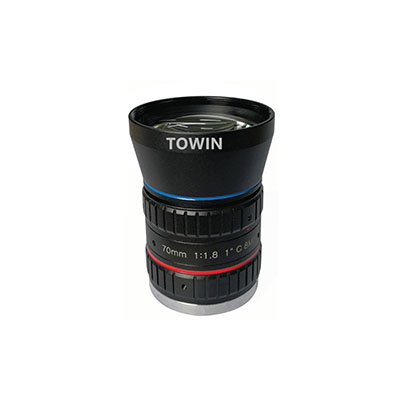
70mm C-mount Telephoto CCTV Lens
Conclusion
The debate between Standard vs Aspherical ITS Lens ultimately depends on your project’s demands. While Standard ITS Lenses offer affordability and simplicity, Aspherical ITS Lenses provide unmatched precision and durability. By evaluating factors like budget, application, and environmental conditions, you can select the lens that ensures optimal performance and long-term value.