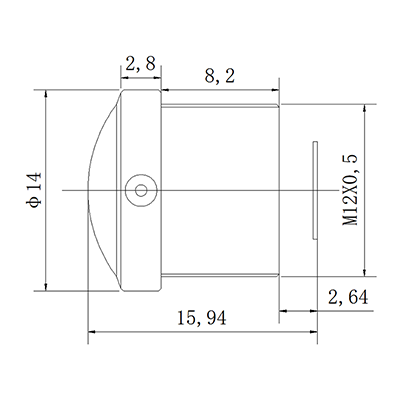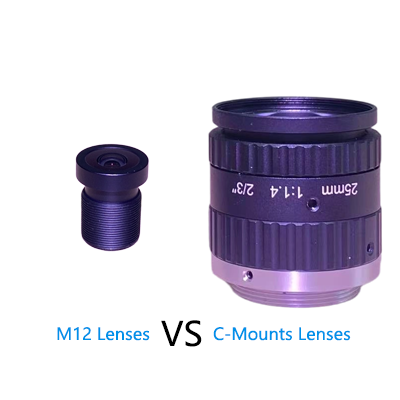



M12 lenses for automotive ADAS
08/15/2025
Achromatic low distortion lens
08/15/2025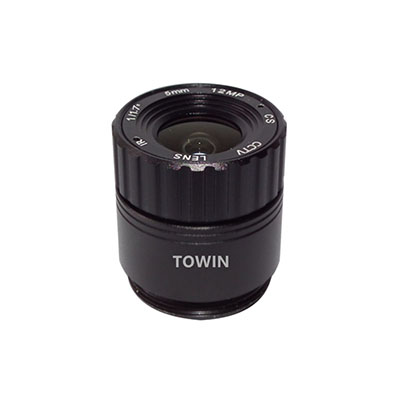
Fixed-focus lenses, also known as prime lenses, are a cornerstone of photography, offering unparalleled clarity and simplicity. Unlike zoom lenses, which allow variable focal lengths, fixed-focus lens have a single, permanent focal length. This design choice eliminates moving parts, resulting in sharper images, faster performance, and a lighter build. For photographers seeking precision and reliability, fixed-focus lens are a game-changer.
What Are Fixed-Focus Lenses?
Fixed-focus lenses are optical devices with a non-adjustable focal length. For example, a 50mm fixed-focus lens cannot zoom in or out; it captures scenes at exactly 50mm, requiring photographers to physically move closer or farther from their subject. This limitation might seem restrictive, but it’s a trade-off for superior image quality. By focusing on one focal length, manufacturers optimize the lens’s optical design, reducing aberrations and enhancing sharpness.
These lenses are celebrated for their simplicity. With fewer mechanical components, they’re less prone to wear and tear, making them ideal for long-term use. Additionally, fixed-focus lenses often feature wider apertures (e.g., f/1.4 or f/1.8), allowing more light to reach the sensor. This capability is invaluable in low-light conditions, enabling crisp shots without relying on high ISO settings or slow shutter speeds.
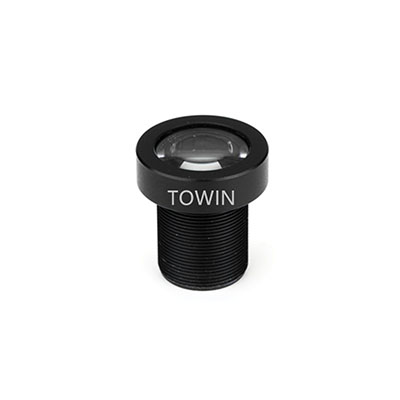
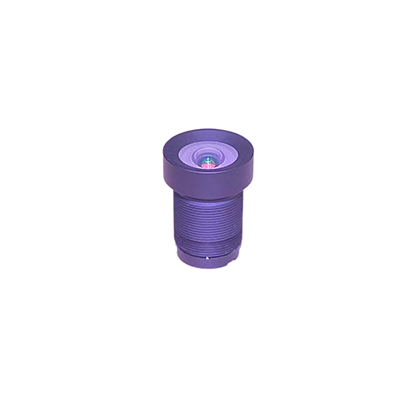
Low-distortion-3.4mm-fixed-focus-industrial-lens
Key Advantages of Fixed-Focus Lenses
1. Unmatched Image Quality
- Fixed-focus lens excel in delivering tack-sharp images. Since the optical design is optimized for a single focal length, manufacturers can minimize distortions like chromatic aberration and vignetting. This precision is why professionals often prefer fixed-focus lens for portraits, street photography, and studio work.
2. Faster Apertures for Low-Light Performance
- A hallmark of fixed-focus lens is their wide maximum apertures. For instance, the Canon EF 50mm f/1.8 STM, a budget-friendly favorite, lets in significantly more light than most zoom lenses. This feature is perfect for indoor events, nighttime cityscapes, or astrophotography.
3. Compact and Lightweight Design
- Without the complexity of zoom mechanisms, fixed-focus lens are remarkably portable. A 35mm f/2 lens, for example, weighs less than half of a comparable zoom lens, making it a traveler’s dream.
4. Cost-Effectiveness
- Fixed-focus lens are generally more affordable than zoom lenses. Entry-level models like the Nikon AF-S NIKKOR 50mm f/1.8G cost under $250, offering professional-grade quality without breaking the bank.
5. Durability and Reliability
- Fewer moving parts mean fewer points of failure. Fixed-focus lens are built to last, often surviving years of heavy use. This reliability is why many photographers consider them a long-term investment.
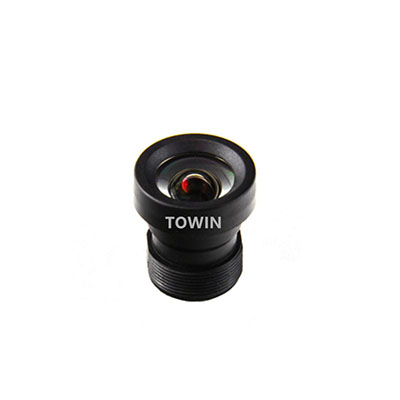
Low-distortion-4.2mm-fixed-focus lenses
Common Misconceptions About Fixed-Focus Lenses
Despite their benefits, fixed-focus lenses face criticism for their lack of versatility. Critics argue that zoom lenses offer greater flexibility, eliminating the need to carry multiple lenses. However, this perspective overlooks the trade-offs. Zoom lenses compromise on image quality, aperture size, and weight to accommodate variable focal lengths. For photographers prioritizing performance over convenience, fixed-focus lens remain the superior choice.
Another myth is that fixed-focus lens are only for professionals. In reality, beginners benefit immensely from their simplicity. By mastering one focal length, newcomers develop a stronger understanding of composition and perspective.Recommended Reading:How to use fixed-focus lenses?
When to Choose Fixed-Focus Lenses Over Zoom Lenses
Fixed-focus lenses shine in specific scenarios:
- Portrait Photography: The wide apertures create a shallow depth of field, isolating subjects with creamy bokeh.
- Street Photography: Their compact size and fast autofocus make them ideal for candid shots.
- Low-Light Environments: Wide apertures capture more light, reducing the need for artificial lighting.
- Video Production: Fixed-focus lens minimize focus hunting, ensuring smooth footage.
For more information on selecting the right lens for your needs, check out this comprehensive guide by B&H Photo.

CS-mount lens-Fixed Focus
The Future of Fixed-Focus Lenses
Advancements in lens technology continue to enhance fixed-focus lens. Modern designs incorporate weather sealing, improved autofocus motors, and optical stabilization. For example, Sony’s FE 50mm f/1.2 GM lens combines cutting-edge optics with a compact form factor, appealing to both enthusiasts and professionals.
As mirrorless cameras gain popularity, fixed-focus lens are evolving to meet the demands of smaller sensor formats. Micro Four Thirds and APS-C systems now offer a wide range of fixed-focus options, ensuring compatibility with various camera bodies.
Conclusion
Fixed-focus lenses are a powerful tool for photographers seeking precision, quality, and simplicity. While they require a learning curve—mastering composition without zooming—the results are worth the effort. Whether you’re shooting portraits, landscapes, or street scenes, these lenses deliver unmatched performance.