Wide aperture lenses for portrait photography
08/13/2025
M12 Wide Angle Lens
08/14/2025
Fixed-focus lenses, often underestimated in the photography world, are a game-changer for both beginners and seasoned professionals. Unlike their zoom or autofocus counterparts, fixed-focus lenses have a single, permanent focal length, forcing photographers to think creatively about composition, lighting, and perspective.
Understanding Fixed-Focus Lenses: The Basics
Fixed-focus lenses, also known as prime lenses, are designed with a single focal length, such as 35mm, 50mm, or 85mm. This simplicity translates to superior optical quality, faster apertures, and lighter weight compared to zoom lenses. The lack of moving parts means fewer chances of mechanical failure, making fixed-focus lenses incredibly durable.
One of the most significant advantages of fixed-focus lens is their wide apertures, often f/1.8 or lower. This allows for exceptional low-light performance and beautiful background blur (bokeh), which is ideal for portraits and artistic shots. However, the inability to zoom means you’ll need to physically move closer or farther from your subject, a limitation that can actually fuel creativity.
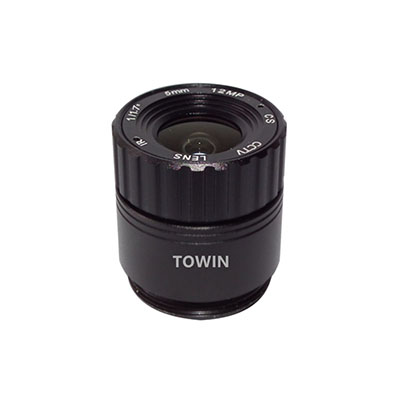
CCTV lens,CS-Mount Fixed Focus Lenses
5 Proven Techniques for Using Fixed-Focus Lenses
1. Embrace the “Zoom With Your Feet” Philosophy
Since fixed-focus lens don’t offer optical zoom, you’ll need to rely on your legs to adjust framing. This might seem inconvenient at first, but it encourages you to explore different angles and perspectives. For example, shooting a portrait with a 50mm lens requires you to step back for a full-body shot or move in for a tight close-up. This physical interaction with your environment can lead to more dynamic compositions and a deeper connection with your subject.
2. Master Manual Focus for Precision
While some fixed-focus lenses have autofocus capabilities, many photographers prefer manual focus for greater control. Practice focusing manually by adjusting the focus ring until your subject is sharp. Use the camera’s focus peaking or magnification tools to ensure accuracy. Manual focusing is especially useful in low-light conditions or when shooting through obstacles like glass or fences.
For instance, street photographers often use fixed-focus lens set to hyperfocal distance—a technique where everything from a certain distance to infinity is in focus. This allows for quick, hands-off shooting without missing a moment.
3. Leverage Wide Apertures for Stunning Bokeh
One of the standout features of fixed-focus lenses is their ability to produce creamy, out-of-focus backgrounds. To achieve this effect, shoot at the widest aperture available (e.g., f/1.4 or f/1.8). Place your subject several feet away from the background and ensure ample light hits the front of your lens.
This technique works wonders for portraits, food photography, and macro shots. For example, a 50mm f/1.8 lens can transform a mundane scene into a dreamy masterpiece by isolating your subject from distractions.
4. Use Fixed-Focus Lenses for Video Production
Fixed-focus lenses are a favorite among videographers because of their smooth manual focus and consistent aperture settings. Unlike zoom lenses, which can produce audible motor noise during filming, fixed-focus lens operate silently, making them ideal for interviews, vlogs, and documentaries.
Pair a lightweight fixed-focus lens with a gimbal or stabilizer for buttery-smooth footage. Additionally, the shallow depth of field achievable with wide apertures adds cinematic flair to your videos.
5. Experiment with Different Focal Lengths
Each fixed-focus lens has a unique character. A 35mm lens is great for environmental portraits and street photography, while an 85mm lens excels at isolating subjects with compression and bokeh. A 50mm lens, often called the “nifty fifty,” is versatile enough for almost any genre.Recommended Reading: Why fixed focus lenses have faster aperture speeds?

Iris Fixed lens
Why Fixed-Focus Lenses Are Worth the Investment
While zoom lenses offer convenience, fixed-focus lenses deliver unmatched image quality and reliability. Their simplicity reduces the risk of technical issues, and their compact size makes them perfect for travel and everyday carry. Moreover, the discipline of working with a single focal length can sharpen your photographic eye and improve your storytelling skills.
Final Thoughts
Fixed-focus lenses are not just a limitation—they’re a tool for unlocking creativity. By embracing their constraints, you’ll learn to see the world differently and capture images that stand out from the crowd. Whether you’re shooting portraits, landscapes, or videos, these lenses offer a blend of quality, versatility, and artistic freedom that’s hard to beat.