


Wide Angle Camera Lens
07/22/2025
Wide-angle pinhole lens
07/22/2025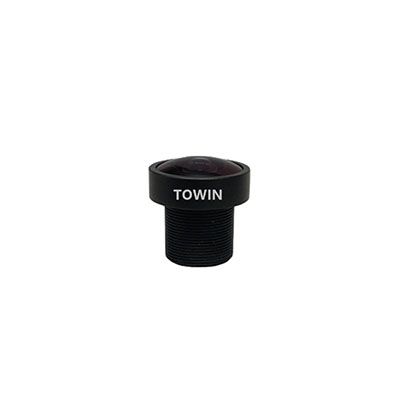
In the vast realm of photography and videography, lenses play a pivotal role in shaping the visual narrative. Among the myriad of lenses available, the fisheye lens stands out as a unique and intriguing option, offering a perspective that is vastly different from that of a normal lens.
Fisheye Lens: A World of Distortion and Creativity
At its core, a fisheye lens is designed to capture an extremely wide angle of view, often exceeding 180 degrees. This results in a distinctive, hemispherical image that is characterized by pronounced barrel distortion. Unlike normal lenses, which aim to render scenes in a way that closely resembles human vision, fisheye lenses embrace distortion, using it as a creative tool to produce striking and unconventional images.
1. Field of View and Distortion
The most obvious difference between a fisheye lens and a normal lens lies in their field of view. While a normal lens typically offers a field of view similar to that of the human eye, around 50 degrees, a fisheye lens can capture a panoramic expanse, sometimes up to 220 degrees or more. This expansive view comes at the cost of significant barrel distortion, where straight lines near the edges of the frame appear curved, creating a surreal, almost otherworldly effect.
Towin, a renowned optical lenses supplier, offers a range of fisheye lenses that cater to various applications. Their M12/S-Mount Fisheye Lens, for instance, is designed for compact camera systems, providing an ultra-wide angle of view with minimal distortion control for creative effects.

fisheye board lens
2. Focal Length and Aperture
Another key difference is in the focal length. Fisheye lenses tend to have very short focal lengths, often below 10mm, which contributes to their wide-angle capabilities. In contrast, normal lenses typically have focal lengths ranging from 35mm to 50mm, offering a more natural perspective.
Aperture, or the size of the lens opening, also varies between the two. Fisheye lenses often have fixed apertures, which can limit their low-light performance compared to normal lenses that may offer variable apertures for greater flexibility. Towin’s fisheye lenses, however, are engineered to optimize light transmission, ensuring vibrant and well-exposed images even in challenging lighting conditions.
3. Image Quality and Sharpness
When it comes to image quality, normal lenses generally excel in delivering sharp, detailed images with minimal aberrations. Fisheye lenses, due to their extreme wide-angle design, may exhibit some loss of sharpness towards the edges of the frame, a trade-off for their expansive field of view.
Towin addresses this challenge by incorporating advanced optical technologies into their fisheye lenses. Multi-coating technology, for instance, reduces glare and enhances contrast, resulting in clearer and more vibrant images. Their C-Mount Fisheye Lens, designed for industrial and surveillance applications, combines a wide field of view with impressive sharpness and clarity.
4. Applications and Creativity
The unique characteristics of fisheye lenses make them ideal for specific applications where a dramatic, immersive perspective is desired. From capturing sweeping landscapes and architectural interiors to creating dynamic action shots in sports and adventure photography, fisheye lenses offer endless creative possibilities.
Towin’s fisheye lenses are versatile, catering to a wide range of creative needs. Whether you’re a professional photographer looking to add a unique touch to your portfolio or an enthusiast exploring new ways to express your vision, Towin’s fisheye lenses provide the tools you need to push the boundaries of traditional photography.
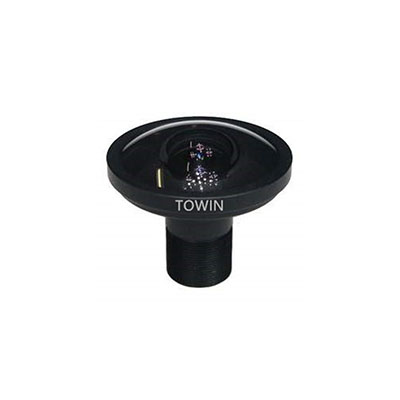
High-Quality Fisheye Lens Supplier
5. Towin’s Fisheye Lens Offerings
As a leading optical lenses supplier, Towin prides itself on offering a comprehensive range of fisheye lenses that meet the diverse needs of its customers. From the compact and lightweight M12/S-Mount Fisheye Lens to the robust and high-performance C-Mount Fisheye Lens, Towin’s products are designed with precision and quality in mind.
In conclusion, the difference between a fisheye lens and a normal lens is profound, encompassing field of view, focal length, image quality, and creative applications. By embracing distortion and offering an expansive perspective, fisheye lenses open up a world of creative possibilities. Towin, with its commitment to innovation and quality, stands at the forefront of this exciting field, providing photographers and videographers with the tools they need to capture the extraordinary.