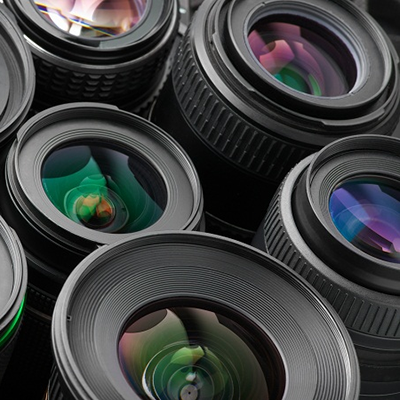



Types of CCTV Lens
11/04/2025
Best Fisheye Lens for Drone Photography
11/04/2025
Photography enthusiasts and professionals are constantly seeking tools that offer versatility, creativity, and cost-effectiveness. Among the myriad of lenses available, the Pinhole Lens stands out as a unique and powerful option. But why choose a Pinhole Lens over traditional alternatives?
Why Choose a Pinhole Lens? The Core Advantages
The Pinhole Lens operates on a simple yet revolutionary principle: a tiny aperture replaces the complex glass elements found in conventional lenses. This minimalist design offers several distinct advantages:
1. Unparalleled Depth of Field
A Pinhole Lens creates an infinite depth of field, meaning everything from the foreground to the background remains in sharp focus. This is ideal for landscapes, architecture, or any scene where maintaining clarity across distances is crucial. Unlike zoom lenses, which require adjustments, the Pinhole Lens simplifies the process, ensuring consistent results.
2. Cost-Effective and Lightweight
Traditional lenses with multiple glass elements can be expensive and heavy. In contrast, a Pinhole Lens is often affordable and compact, making it accessible to hobbyists and professionals alike. Its simplicity reduces manufacturing costs, passing savings to users without compromising quality.
3. Creative Freedom and Experimentation
The Pinhole Lens encourages artistic exploration. Its soft focus and unique light diffraction patterns produce dreamy, ethereal images that are impossible with standard lenses. Photographers can experiment with long exposures, motion blur, and unconventional angles, pushing the boundaries of visual storytelling.
4. Durability and Low Maintenance
With no moving parts or delicate glass, a Pinhole Lens is virtually indestructible. It resists dust, scratches, and impacts, making it ideal for outdoor or rugged environments. Additionally, its maintenance is minimal—a simple wipe keeps it clean.
5. Stealth and Discretion
The compact size of a Pinhole Lens allows photographers to shoot discreetly. This is particularly valuable in street photography, wildlife documentation, or situations where a low-profile approach is necessary.
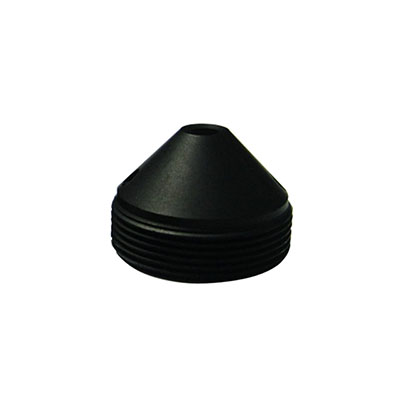
4.2mm 1/3″ HD CCTV M12 mount Pinhole lens
Technical Insights: How a Pinhole Lens Works
The Pinhole Lens relies on the principle of “camera obscura,” where light passes through a tiny hole and projects an inverted image onto a surface. Modern iterations use precision-drilled apertures, often made from materials like aluminum or brass, to ensure consistent performance.
- Aperture Size Matters: The pinhole’s diameter directly affects image sharpness and exposure time. Smaller holes produce sharper images but require longer exposures, while larger holes allow faster shots but may reduce clarity.
- Focal Length Flexibility: Unlike fixed lenses, Pinhole Lenses can adapt to various focal lengths by adjusting the distance between the pinhole and the sensor. This versatility is a game-changer for creative flexibility.
Real-World Applications of a Pinhole Lens
The Pinhole Lens isn’t just a novelty—it’s a practical tool across genres:
- Landscape Photography: Capture sweeping vistas with every detail in focus.
- Portraiture: Achieve a soft, timeless aesthetic that flatters subjects.
- Abstract Art: Use light leaks and diffraction to create surreal, painterly effects.
- Astrophotography: Long exposures reveal star trails and celestial patterns.
FAQs
1. What is the main drawback of a Pinhole Lens?
The primary limitation is the need for longer exposure times due to the small aperture, which can be challenging in low-light conditions.
2. Can a Pinhole Lens replace a standard lens?
While it excels in specific scenarios, a Pinhole Lens is best used as a complementary tool rather than a replacement for versatile lenses.
3. Is image quality compromised with a Pinhole Lens?
Images may appear softer than those from high-end lenses, but this is often a desired artistic effect rather than a flaw.
4. How do I choose the right pinhole size?
The optimal diameter depends on your camera’s focal length. Online calculators can help determine the ideal size for your setup.
5. Are Pinhole Lenses compatible with all cameras?
Most Pinhole Lenses are designed for DSLRs, mirrorless cameras, or even smartphones with adapter rings. Check compatibility before purchasing.
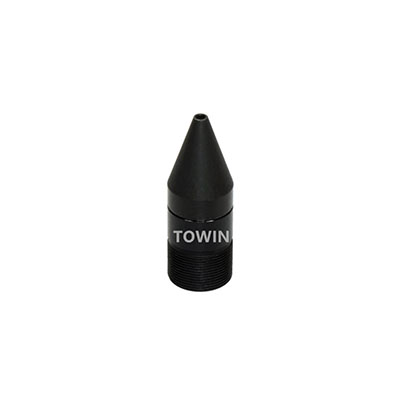
Fixed focus M12 Mount pinhole lens
Conclusion
The Pinhole Lens offers a blend of affordability, creativity, and durability that few alternatives can match. Whether you’re a seasoned professional or a budding enthusiast, incorporating this tool into your kit can unlock new perspectives and artistic possibilities. Its simplicity belies its power, making it a must-have for photographers seeking to break free from conventional constraints.