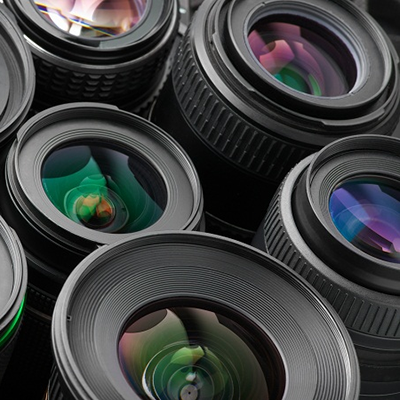



M12 lenses with 1/2.5″ sensor compatibility
10/09/2025
Wide Angle Lens with Adjustable Aperture Rings
10/10/2025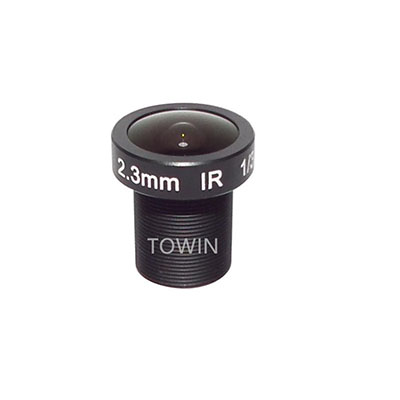
Fisheye lens are a game-changer for photographers and videographers seeking to push creative boundaries. With their extreme wide-angle view and signature distortion, these lenses transform ordinary scenes into dynamic, eye-catching masterpieces. But What Is a Fisheye Lens Used For?
What Is a Fisheye Lenses?
A Fisheye Lens is an ultra-wide-angle lens that captures a hemispherical view of the world, typically ranging from 180 to 220 degrees. Unlike standard wide-angle lenses, Fisheye lenses intentionally distort the image, creating a convex, “bulging” effect. This distortion is not a flaw—it’s the lens’s defining feature, enabling photographers to emphasize curves, lines, and perspectives in ways no other lens can.
There are two main types of Fisheye Lenses:
- Circular Fisheye: Produces a circular image with black edges, capturing a full 180-degree view.
- Full-Frame Fisheye: Fills the entire frame with a distorted, wide-angle view, offering a more traditional rectangular image.

What Is a Fisheye Lens Used For? 5 Creative Applications
1. Capturing Dynamic Action Sports
Fisheye Lenses excel in action-packed environments like skateboarding, surfing, or snowboarding. Their wide field of view allows photographers to stay close to the subject while capturing the surrounding environment. The distortion adds energy and movement, making shots feel more immersive.
Example: A skateboarder mid-trick against a blurred urban backdrop—the Fisheye Lenses exaggerates the ramp’s curve, emphasizing speed and height.
2. Creating Surreal Landscapes and Architecture
For landscape or architectural photography, a Fisheye Lenses can turn mundane scenes into abstract art. The curvature of lines—such as building edges, roads, or horizons—creates a dreamlike quality. This effect is particularly striking in confined spaces like narrow alleys or small rooms.
Pro Tip: Shoot from a low angle to amplify the distortion, making ceilings or skies appear to stretch infinitely.
3. Enhancing Creative Portraits
While Fisheye Lenses aren’t traditionally used for portraits, they can produce quirky, memorable results. Placing the subject at the center minimizes distortion, while the background curves dramatically. This technique works best for playful, experimental shots rather than formal portraits.
Example: A close-up of a face surrounded by a warped room—the effect is whimsical and unexpected.
4. Immersive Virtual Reality (VR) and 360-Degree Content
Fisheye Lenses are indispensable for VR and 360-degree photography. Their ability to capture a full 180-degree view in a single shot simplifies stitching multiple images together. This makes them ideal for creating immersive experiences in gaming, real estate, or travel content.
5. Abstract Art and Experimental Photography
Photographers seeking to break free from conventional compositions often turn to Fisheye Lenses. The distortion allows for creative framing, such as shooting through objects (e.g., a wine glass or a fence) to warp the scene. This approach transforms everyday objects into abstract patterns.
Example: A Fisheye Lens pointed upward through a stairwell creates a spiral effect, turning a simple structure into a visual vortex.
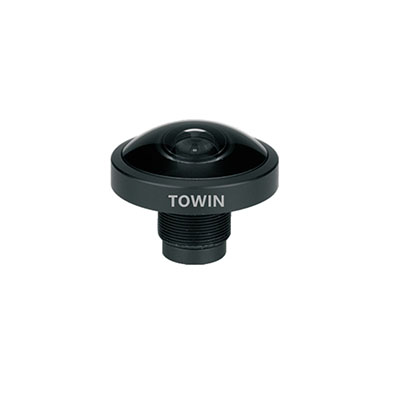
8-Megapixel F2.0 M12 mount Fisheye Lens
Advantages and Disadvantages of Using a Fisheye Lens
Pros:
- Unique Perspective: No other lens can replicate the Fisheye’s distortion.
- Compact Size: Fisheye Lenses are often smaller and lighter than other ultra-wide-angle options.
- Low-Light Performance: Many Fisheye Lenses have fast apertures (e.g., f/2.8), making them versatile in dim conditions.
Cons:
- Distortion: Not ideal for straight lines or formal photography.
- Limited Use Cases: Requires careful planning to avoid overusing the effect.
- Price: High-quality Fisheye Lenses can be expensive.
FAQs
1. When Should You Use a Fisheye Lens?
Use a Fisheye Lens when you want to emphasize distortion, capture expansive scenes, or add creativity to action shots. It’s best suited for artistic projects rather than traditional photography.
2. Can You Use a Fisheye Lens for Everyday Photography?
While possible, Fisheye Lenses are niche tools. Their extreme distortion makes them impractical for portraits, weddings, or product photography. Reserve them for specialized projects.
3. How Does a Fisheye Lens Compare to a Wide-Angle Lens?
A wide-angle lens (e.g., 16-35mm) minimizes distortion, while a Fisheye Lens embraces it. Wide-angle lenses are better for landscapes and architecture without exaggerated curves.
4. Are Fisheye Lenses Worth the Investment?
For hobbyists, renting a Fisheye Lens for specific projects may be more cost-effective. Professionals in action sports, VR, or experimental photography will find it indispensable.
5. What Is a Fisheye Lens Used For in Videography?
In video, Fisheye Lenses create dynamic establishing shots or add energy to music videos. They’re also popular in skateboarding and extreme sports footage for their immersive feel.
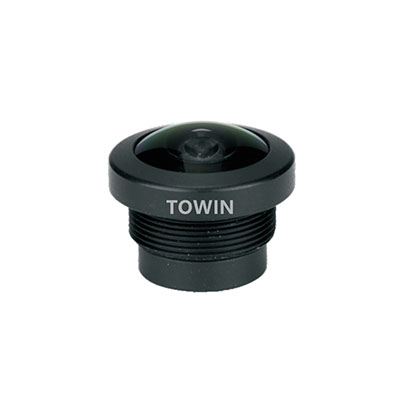
4-Megapixel F2.4 M12 mount fisheye lens
Conclusion
A Fisheye Lens is a powerful tool for photographers and videographers willing to embrace its quirks. From action sports to abstract art, its ability to distort reality opens doors to unparalleled creativity. While not a everyday lens, it’s invaluable for those seeking to stand out in a crowded visual landscape.