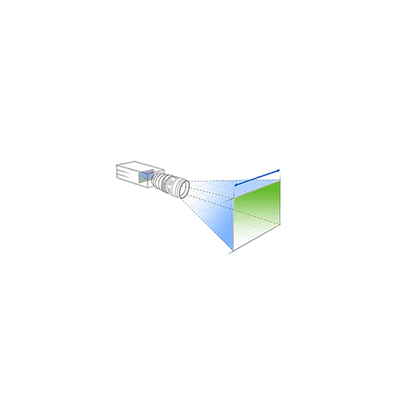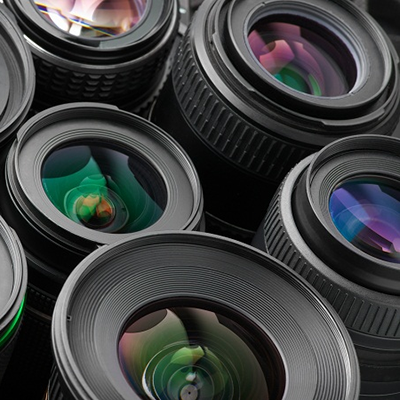



Low distortion CCTV 25mm F2.5 M12 lens
10/30/2025
Pinhole Lens FAQ
10/31/2025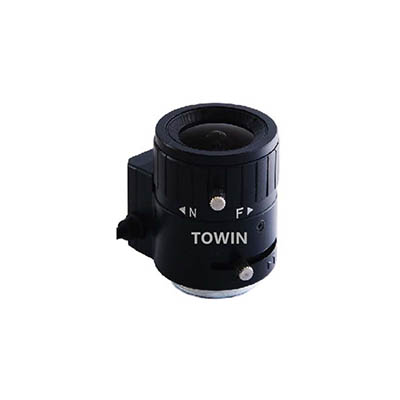
When it comes to security and surveillance, every detail matters. Whether safeguarding a home, monitoring a business, or ensuring public safety, the performance of your CCTV system hinges on one crucial component: the CCTV Lens. But not all lenses are created equal. A High-Quality CCTV Lens can dramatically enhance image clarity, night vision, and overall system reliability.
Why a High-Quality CCTV Lens Matters
A CCTV system is only as effective as its lens. A High-Quality CCTV Lens ensures sharp, distortion-free images, even in challenging lighting conditions. Poor-quality lenses may produce blurry footage, glare, or limited field of view, compromising security efforts. By contrast, a premium lens maximizes resolution, minimizes optical errors, and supports advanced features like wide dynamic range (WDR) and infrared (IR) compatibility.
Key Features of a High-Quality CCTV Lens
1. Optical Clarity and Resolution
A High-Quality CCTV Lenses uses precision-engineered glass elements to reduce aberrations and enhance light transmission. Look for lenses with multi-coating technology to minimize reflections and improve contrast, especially in low-light environments.
2. Aperture and Light Sensitivity
The aperture size determines how much light the lens can capture. A wider aperture (lower f-number) allows better performance in dim conditions, making it ideal for 24/7 surveillance. High-Quality CCTV Lenses often feature adjustable apertures for flexibility.
3. Focal Length and Field of View
Fixed focal length lenses offer simplicity, while varifocal lenses provide adjustable zoom for customized coverage. A High-Quality CCTV Lenses balances focal length with image stability, ensuring consistent performance across distances.
4. IR Compatibility
For nighttime surveillance, choose a lens optimized for infrared light. High-Quality CCTV Lenses with IR-cut filters prevent color distortion during the day and enhance IR sensitivity at night.
5. Durability and Weather Resistance
A robust lens housing protects against dust, moisture, and vandalism. Look for IP-rated lenses (e.g., IP67) for outdoor use, ensuring longevity in harsh environments.
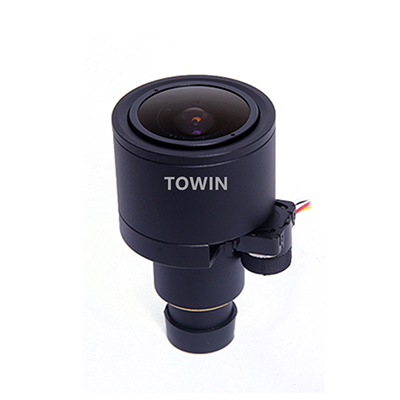
2.7-13mm Auto Iris F1.3 IR corrected CCTV lens
How to Choose the Right High-Quality CCTV Lenses
Selecting the ideal lens depends on your surveillance needs. Here’s a quick guide:
- For Wide Coverage: Opt for a short focal length (e.g., 2.8mm) with a wide-angle view.
- For Detailed Monitoring: Choose a longer focal length (e.g., 12mm) for zoomed-in clarity.
- For Mixed Lighting: Prioritize lenses with WDR and IR capabilities.
Always verify compatibility with your CCTV camera’s sensor size (e.g., 1/2.7”, 1/3”) to avoid vignetting or resolution loss.
The Cost vs. Quality Dilemma
While budget lenses may seem appealing, they often compromise on materials and precision. A High-Quality CCTV Lens is a long-term investment, reducing maintenance costs and ensuring reliable performance. For instance, brands like Tamron and Fujinon are renowned for their optical excellence—check out their product lines here for inspiration.
FAQs
1. What makes a CCTV lens “high-quality”?
A High-Quality CCTV Lens features advanced optics, durable construction, and compatibility with modern surveillance technologies like 4K resolution and AI analytics.
2. Can I use a regular camera lens for CCTV?
No. CCTV lenses are designed for continuous operation and specific sensor sizes. Using a non-CCTV lens may result in poor image quality or mechanical failure.
3. How often should I replace my CCTV lens?
With proper maintenance, a High-Quality CCTV Lens can last 5–10 years. Replace it if you notice significant wear, scratches, or declining performance.
4. Do expensive lenses guarantee better results?
Not always. Prioritize features like aperture, coating, and IR compatibility over price alone. A mid-range lens with superior specs may outperform a pricier, generic option.
5. Can a High-Quality CCTV Lens improve night vision?
Absolutely. Lenses with IR-cut filters and low-light optimization enhance nighttime clarity, reducing noise and blur in dark scenes.

M12 CCTV lens 3-Megapixel IR corrected
Conclusio
In the world of security, compromise is risky. A High-Quality CCTV Lens is the cornerstone of a reliable, high-performance surveillance system. By prioritizing optical precision, durability, and advanced features, you ensure crystal-clear footage and peace of mind. Whether protecting a small business or a large-scale facility, investing in quality pays dividends.