


C-Mount Lens Supplier | Guide for Industrial & Machine Vision Buyers
05/06/2026
Optical lens supplier – Professional Custom to Global Buyers
05/08/2026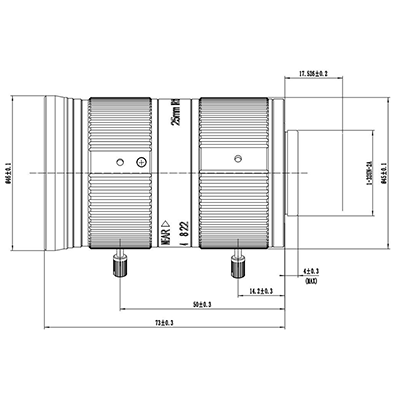
Key Takeaways
- Low Distortion Lens Manufacturers specialize in optics designed to minimize image deformation in industrial imaging systems.
- Low distortion lenses are widely used in:
- machine vision
- robotics
- semiconductor inspection
- metrology
- medical imaging
- A distortion rate below 1% is commonly required for accurate industrial measurement.
- Telecentric lenses provide even lower distortion for ultra-precision applications.
- Important lens parameters include:
- focal length
- sensor compatibility
- resolution
- MTF performance
- working distance
- Choosing the right manufacturer helps improve:
- imaging accuracy
- production consistency
- long-term system reliability
- OEM and ODM customization capabilities are critical for industrial projects.
Introduction
Low Distortion Lens Manufacturers play a critical role in modern industrial imaging systems. In machine vision, robotics, and precision inspection applications, even small image distortions can lead to measurement errors, alignment issues, and reduced automation accuracy. This is why selecting the right optical lens manufacturer has become increasingly important for OEMs, system integrators, and industrial automation companies.
Low distortion lenses are specifically engineered to reduce barrel distortion and pincushion distortion while maintaining high image sharpness across the entire frame. These lenses are commonly used in:
- factory automation
- semiconductor inspection
- intelligent transportation systems
- medical imaging
- AI vision systems
However, not all lens suppliers provide the same level of optical quality, manufacturing consistency, or customization support. Some manufacturers focus on high-end industrial imaging, while others specialize in cost-effective OEM production for large-scale projects.
In this guide, we will explore:
- what low distortion lenses are
- why distortion control matters
- how to compare lens specifications
- leading low distortion lens manufacturers
- how to choose the right supplier for your application
4K Low-distortion 8-Megapixel CCTV lens
What Is a Low Distortion Lens?
A low distortion lens is an optical lens designed to minimize image deformation and preserve geometric accuracy. These lenses help ensure that straight lines remain straight and object dimensions remain consistent across the image.
Distortion is especially problematic in:
- precision measurement
- defect inspection
- robotic positioning
- 3D imaging
- AI-based vision systems
Common Types of Optical Distortion
| Distortion Type | Description | Visual Effect |
|---|---|---|
| Barrel Distortion | Image expands outward | Straight lines curve outward |
| Pincushion Distortion | Image compresses inward | Straight lines bend inward |
| Mustache Distortion | Mixed distortion pattern | Complex image warping |
Why Low Distortion Matters
Low distortion lenses improve:
- dimensional accuracy
- edge consistency
- calibration reliability
- image processing efficiency
- AI recognition accuracy
Without proper distortion control:
- measurements become unreliable
- software correction increases processing load
- robotic systems lose positioning accuracy
Why Low Distortion Matters in Industrial Imaging
Industrial imaging systems depend on highly accurate optical performance. Even slight image deformation can create serious production problems.
Precision Measurement Applications
Low distortion lenses are widely used in:
- PCB inspection
- semiconductor measurement
- electronic component analysis
- precision metrology
These applications require:
- consistent magnification
- minimal geometric deformation
- high edge sharpness
Robotics and Automation
Robotic vision systems rely on accurate image positioning.
Low distortion optics help:
- improve object recognition
- increase positioning precision
- reduce calibration complexity
- improve pick-and-place efficiency
Industries benefiting include:
- automotive manufacturing
- warehouse automation
- industrial robotics
- logistics systems
AI Vision Systems
Modern AI imaging systems require clean and geometrically accurate image data.
Benefits include:
- better neural network training
- reduced correction algorithms
- improved detection consistency
- faster image processing
Key Parameters to Compare in Low Distortion Lenses
Choosing the correct lens involves much more than focal length alone.
Important Lens Parameters
| Parameter | Why It Matters | Recommended Range |
|---|---|---|
| Distortion Rate | Measurement accuracy | <1% |
| Resolution | Sensor compatibility | 5MP–20MP+ |
| Sensor Format | Camera matching | 1/2″–APS-C |
| Focal Length | Determines field of view | 6mm–50mm |
| Aperture | Light control | F1.4–F8 |
| Working Distance | Installation flexibility | Application dependent |
| MTF Performance | Image sharpness | Higher is better |
| Mount Type | Camera compatibility | C-mount / CS-mount |
Distortion Rate Comparison
Top Low Distortion Lens Manufacturers
Below are some of the most recognized low distortion lens manufacturers in the industrial imaging market.
1. Towin
Towin focuses on industrial optics and OEM imaging solutions for global machine vision applications.
Main Products
- low distortion FA lenses
- machine vision lenses
- telecentric lenses
- customized optical modules
Advantages
- OEM & ODM customization
- industrial-grade quality control
- competitive pricing
- support for automation projects
- global export experience
Best Applications
- factory automation
- robotics
- intelligent transportation
- industrial inspection
2. Fujinon
Fujinon is known for high-end industrial optics and precision imaging systems.
Strengths
- excellent optical consistency
- advanced coating technologies
- strong global reputation
Common Applications
- semiconductor inspection
- medical imaging
- precision measurement
3. Computar
Computar provides a wide range of machine vision lenses designed for industrial automation.
Advantages
- stable optical performance
- broad focal length selection
- reliable industrial designs
Best For
- machine vision integration
- factory automation
- smart manufacturing
4. Kowa
Kowa specializes in industrial FA lenses with low distortion and high resolution.
Key Features
- compact lens design
- high megapixel support
- excellent edge sharpness
Common Uses
- robotics
- inspection systems
- industrial cameras
5. ZEISS
ZEISS is recognized globally for premium optical engineering.
Strengths
- ultra-high optical precision
- premium image quality
- advanced research capability
Best Applications
- scientific imaging
- medical systems
- precision metrology
Manufacturer Comparison Table
| Manufacturer | Main Focus | Distortion Control | OEM Support | Best For |
|---|---|---|---|---|
| Towin Lens | Industrial optics | Excellent | Strong | OEM projects |
| Fujinon | Precision optics | Excellent | Medium | High-end imaging |
| Computar | Machine vision | Very good | Medium | Automation |
| Kowa | FA lenses | Excellent | Limited | Factory vision |
| ZEISS | Premium optics | Outstanding | Limited | Scientific imaging |
How to Choose the Right Low Distortion Lens
Different applications require different optical specifications.
Choose Based on Application
| Application | Recommended Lens Type |
|---|---|
| PCB Inspection | Low distortion FA lens |
| Semiconductor Inspection | Telecentric lens |
| Robotics | Compact low distortion lens |
| Medical Imaging | High-resolution lens |
| ITS Systems | Wide-angle low distortion lens |
Choose Based on Sensor Size
Always match the lens to the camera sensor.
Common Sensor Formats
- 1/2″
- 2/3″
- 1″
- APS-C
Improper sensor matching may cause:
- vignetting
- edge blur
- reduced image quality
Choose Based on Resolution
Higher-resolution sensors require higher-quality optics.
Resolution Matching Guide
| Camera Resolution | Recommended Lens |
|---|---|
| 2MP | Standard industrial lens |
| 5MP | Low distortion FA lens |
| 12MP | High-resolution industrial lens |
| 20MP+ | Precision optical lens |
Low Distortion Lens vs Telecentric Lens
Many buyers confuse these two lens types.
| Feature | Low Distortion Lens | Telecentric Lens |
|---|---|---|
| Cost | Lower | Higher |
| Distortion | Very low | Near zero |
| Measurement Accuracy | High | Extremely high |
| Installation Flexibility | Better | More limited |
| Typical Applications | General machine vision | Precision metrology |
Which One Should You Choose?
Choose a low distortion lens if:
- you need cost-effective industrial imaging
- moderate measurement precision is acceptable
- flexible installation is important
Choose a telecentric lens if:
- ultra-high measurement accuracy is required
- object dimensions must remain constant
- precision metrology is involved
Common Problems and Solutions
Why Is My Image Still Distorted?
Possible causes include:
- incorrect focal length
- poor camera calibration
- improper working distance
- low-quality optics
Can Software Correct Distortion?
Yes, software can reduce distortion through calibration algorithms.
However:
- optical correction is more accurate
- software correction reduces effective resolution
- excessive correction increases processing time
Is Lower Distortion Always Better?
Not necessarily.
Ultra-low distortion lenses:
- cost more
- may require larger optical designs
- may not be necessary for basic applications
Choose based on:
- budget
- precision requirements
- system complexity
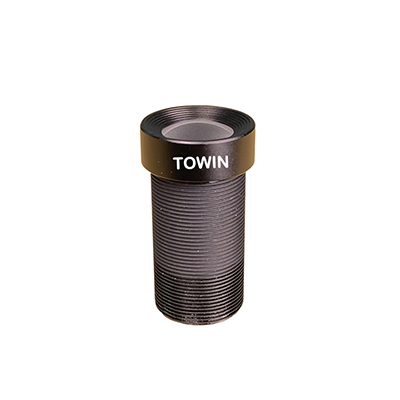
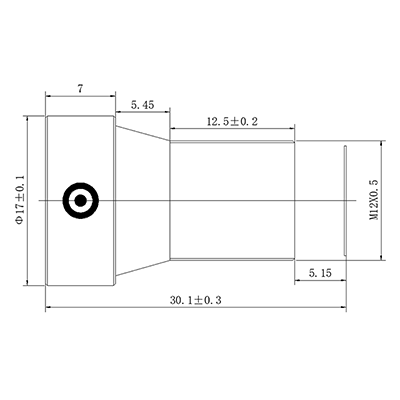
25mm M12 low-distortion lens
FAQs
What is considered a low distortion lens?
In industrial imaging, lenses with distortion below 1% are generally considered low distortion lenses.
Which industries use low distortion lenses?
Common industries include:
- factory automation
- robotics
- semiconductor manufacturing
- medical imaging
- intelligent transportation
Can low distortion lenses improve AI vision systems?
Yes. Reduced image deformation improves object recognition accuracy and simplifies AI model training.
What is the difference between FA lenses and telecentric lenses?
FA lenses provide low distortion for general industrial imaging, while telecentric lenses offer near-zero distortion for precision measurement applications.
How important is MTF performance?
MTF performance directly affects:
- image sharpness
- edge clarity
- detail reproduction
- sensor compatibility
Higher MTF values generally indicate better optical quality.
Conclusion
Choosing the right optical supplier is essential for building reliable industrial imaging systems. The best Low Distortion Lens Manufacturers provide not only excellent optical performance, but also stable production quality, technical expertise, and long-term customization support.
When comparing manufacturers, focus on:
- distortion performance
- resolution compatibility
- optical consistency
- OEM capability
- application experience
As machine vision and industrial automation continue to evolve, demand for high-performance low distortion optics will continue to grow. Whether you are developing robotics systems, inspection equipment, or AI imaging platforms, partnering with experienced Low Distortion Lens Manufacturers can significantly improve system accuracy and long-term project success.