


Fisheye Lens Filters
11/21/2025
Low-Distortion Lenses in Industrial Inspection
11/21/2025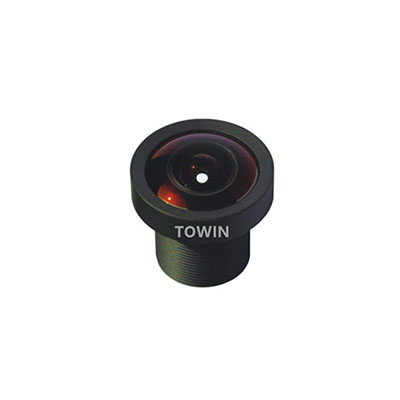
When you think about vehicle safety and design, many elements come to mind: airbags, brakes, and seat belts. But one crucial part of automotive technology that often goes unnoticed is the automotive lens. So, what is a automotive lens and why is it so important for vehicles today?
What Is a Automotive Lens?
An automotive lens is a specialized optical component used in various systems within modern vehicles. These lenses are integral to ensuring proper functionality in systems such as headlights, cameras, sensors, and even the vehicle’s navigation system. Designers typically focus light or other types of data with automotive lenses, crafting them to withstand the demands of automotive environments, such as heat, vibration, and harsh weather conditions.
Automotive lenses are most commonly found in:
- Headlights and taillights: These lenses help focus light in a specific direction, providing better visibility for both the driver and others on the road.
- Cameras: Automotive lenses serve in backup cameras, parking sensors, and advanced driver-assistance systems (ADAS).
- LiDAR and radar systems: These systems rely on lenses to direct laser or radio signals, which are essential for autonomous vehicles.
The purpose of these lenses is to optimize the performance of the vehicle’s lighting and sensing systems, contributing to safer driving experiences.
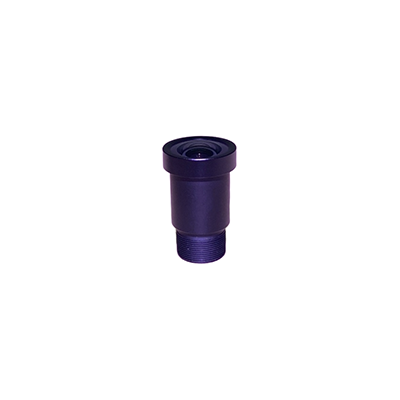
M12 IP68 waterproof Automotive Lens
Types of Automotive Lenses
Different types of automotive lenses are used for specific functions. Here are a few common examples:
1. Headlamp Lenses
These lenses are designed to focus and direct light emitted from the headlamps, ensuring maximum visibility on the road. Manufacturers typically make them from impact-resistant materials to withstand bumps and rough driving conditions.
2. Camera Lenses
Automotive cameras are used in reverse assist systems, parking sensors, and even in self-driving cars. These lenses help capture clear images, regardless of lighting conditions.
3. LiDAR Lenses
LiDAR (Light Detection and Ranging) uses lasers to scan and create a 3D map of the environment around the vehicle. The automotive lens plays a critical role in focusing these laser beams to accurately detect objects and obstacles.
4. Infrared Lenses
These lenses help night vision systems detect objects in low visibility situations, such as at night or in foggy weather.
Why Are Automotive Lenses So Important?
Automotive lenses are essential for the safety, performance, and functionality of modern vehicles. Here’s why they matter:
- Enhanced Visibility and Safety: Lenses in headlights and taillights ensure that drivers can see and others can see them. In critical driving situations, good visibility can make the difference between avoiding an accident and a collision.
- Advanced Driver-Assistance Systems (ADAS): Modern vehicles are equipped with cameras, radar, and LiDAR systems to assist with parking, lane-keeping, collision avoidance, and more. The lenses in these systems help capture accurate data, enabling the vehicle to make precise decisions.
- Support for Autonomous Vehicles: Self-driving cars rely on various types of lenses to navigate the road safely and efficiently. Lenses used in autonomous systems help vehicles detect pedestrians, other cars, traffic signs, and road conditions, making them integral to the future of driving.
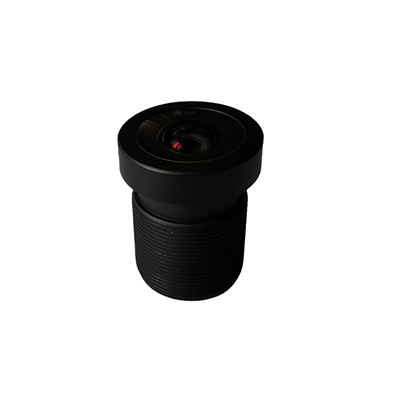
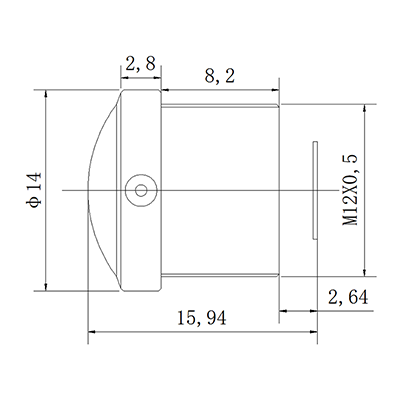
12MP Waterproof IP67 Automotive lens
Benefits of Automotive Lenses
The use of high-quality automotive lenses offers several advantages for drivers and manufacturers alike:
- 1. Improved Safety: Properly functioning automotive lenses help ensure the vehicle’s lighting and sensor systems perform optimally, reducing the likelihood of accidents.
- 2. Durability: Automotive lenses engineer to endure the rough conditions of the road, including vibration, temperature fluctuations, and exposure to UV light. This durability ensures that they last longer and require fewer replacements.
- 3. Increased Efficiency: Whether in lighting systems or camera sensors, lenses help direct light or data more efficiently, optimizing the vehicle’s overall performance.
- 4. Enhanced Comfort and Convenience: Advanced systems that use automotive lenses, like parking sensors or collision detection, make driving more comfortable by providing additional assistance to drivers.
How Are Automotive Lenses Manufactured?
The manufacturing of automotive lenses involves advanced optical technology and precision engineering. These lenses typically consist of high-quality plastics or glass, and manufacturers shape them using molding processes. Designers choose the materials for their optical properties and durability, ensuring they withstand the rigors of automotive environments.
We treat the lens surfaces with special coatings to prevent fogging, reduce glare, or improve light transmission. In some cases, designers create the lenses with a specific curvature or pattern to optimize light distribution or sensor detection.
Applications of Automotive Lenses
The applications of automotive lenses extend beyond just the vehicle’s exterior lighting. Here are a few notable examples:
- Autonomous Vehicle Sensors: Lenses in LiDAR and camera systems play a critical role in autonomous vehicle technology by enabling the vehicle to detect its environment and make decisions.
- Adaptive Headlights: These lenses can help adjust the direction and range of a vehicle’s headlights to improve visibility on winding roads or in adverse weather conditions.
- Infotainment Systems: Designers use lenses in displays for infotainment systems, navigation screens, and rear-view monitors.
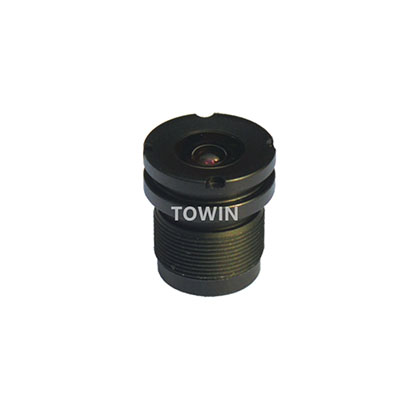
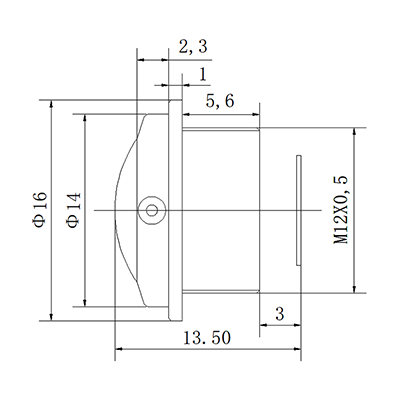
IP67 Automotive S-Mount lens
FAQs
What is the role of an automotive lens in car headlights?
An automotive lens in headlights helps focus and direct light toward the road to improve visibility for the driver and other vehicles.
How do automotive lenses support autonomous vehicles?
In autonomous vehicles, automotive lenses function within camera and sensor systems to detect objects, obstacles, and road conditions, ensuring safe navigation without human intervention.
Are automotive lenses durable?
Yes, automotive lenses design to withstand harsh road conditions, including vibration, extreme temperatures, and UV exposure. This ensures they perform reliably over time.
Can automotive lenses improve driving safety?
Absolutely! High-quality automotive lenses in headlights, cameras, and sensors improve visibility, assist with parking, and provide critical safety features like collision avoidance.
What materials are automotive lenses made from?
Automotive lenses usually consist of durable materials such as high-quality plastics or glass, which manufacturers choose for their optical properties and ability to endure tough conditions.
Conclusion
In summary, what is a automotive lens and why is it important? It’s a vital component in modern vehicles that plays a crucial role in enhancing safety, performance, and functionality. Whether in headlights, cameras, or sensors, automotive lenses ensure that vehicles can operate efficiently, even in the most challenging conditions.