High-resolution CS-Mount lenses for machine vision
11/13/2025
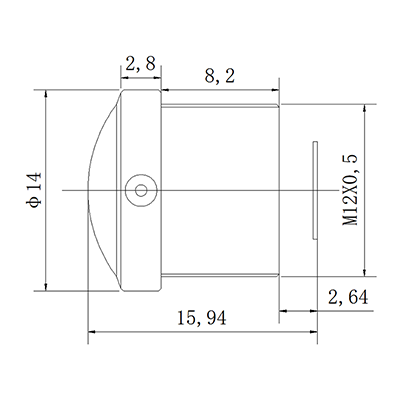
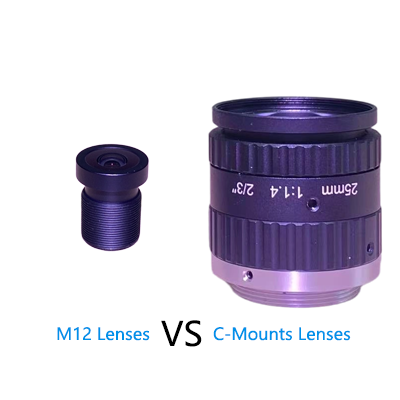
What size is a M12 lenses?
11/13/2025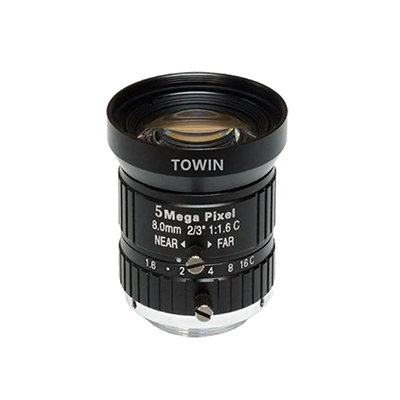
When diving into the world of camera lenses, you may come across terms that are essential for understanding the technical aspects of photography and videography. One of the most common terms is C-Mount lenses. If you are wondering what does C-Mount mean in lenses.
What Does C-Mount Mean in Lenses?
C-Mount lenses are a specific type of lens mount commonly used in industrial cameras, machine vision systems, and some professional cameras. The “C” in C-Mount stands for “cine,” which is a nod to its origins in cinema cameras. Over time, C-Mounts have become a standard in both video and photographic equipment, especially where compact size and performance are crucial.
The C-Mount refers to the flange distance (or back focal length) of the lens, which is 17.526mm. This specific measurement allows the lens to maintain sharp focus while being mounted on compatible camera bodies. People commonly use it in digital cameras, microscopes, and scientific imaging equipment.
C-Mount lens are versatile, lightweight, and highly adaptable, making them ideal for applications ranging from simple video recordings to highly detailed industrial imaging. Understanding what C-Mount means in lenses can help you determine whether they’re the right choice for your specific needs.

40mm C mount IR corrected machine vision lenses
Key Features of C-Mount Lenses
Now that we have an understanding of what C-Mount means in lenses, let’s explore some of the defining characteristics that make these lenses so popular:
1. Flange Distance:
The key specification of C-Mount lens is their flange distance of 17.526mm. This distance is crucial because it ensures that the lens projects light at the correct angle onto the camera sensor or film. A shorter flange distance allows for a more compact design and easier adaptation to different camera bodies.
2. Thread Size:
C-Mount lens typically have a 1-inch thread diameter, which makes them compatible with various camera mounts. This standardized thread allows for a quick and secure lens attachment, making the lens swapping process seamless.
3. Versatility:
Due to their compact size and standard fitting, C-Mount lens are compatible with a wide range of camera systems. They are often used in industrial and surveillance systems, where size, weight, and precision are essential. C-Mount lenses also serve in CCTV cameras, microscopy, and even machine vision applications.
4. Adaptability:
One of the major advantages of C-Mount lens is their ability to be adapted to other mounts using appropriate adapters. For example, C-Mount lens can often be used on cameras with different types of lens mounts like M42 or even DSLR cameras with the right converter.
Common Applications of C-Mount Lenses
1. Industrial and Scientific Imaging
C-Mount lens are primarily found in industrial cameras, such as those used for machine vision. These systems require high precision and image clarity, and C-Mount lens excel in delivering those qualities. They are also used in scientific research, including applications like microscopy, where accurate and clear images are essential.
2. CCTV and Security Cameras
C-Mount lens are commonly used in CCTV cameras due to their ability to offer both high quality and compact design. Their adaptability to different cameras makes them a preferred choice for surveillance setups.
3. Digital Cameras and Film Cameras
Some digital and film cameras, particularly older models or specialty cameras, use C-Mount lens. These lenses offer good image quality and allow for the flexibility needed in niche filming applications.
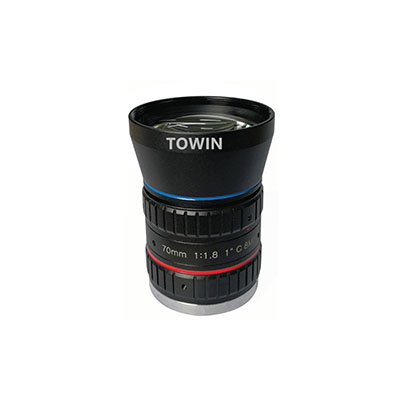
70mm C-mount Telephoto CCTV Lens
Advantages and Limitations of C-Mount Lenses
Advantages:
- Compact and Lightweight: C-Mount lens are small and easy to transport, which is ideal for industrial and scientific applications where space and weight are factors.
- Precision: These lenses are known for their precision in capturing clear, sharp images, making them perfect for critical applications like microscopy and industrial inspection.
- Wide Availability: C-Mount lenses are readily available from numerous manufacturers, offering a variety of focal lengths and aperture sizes for different needs.
Limitations:
- Limited to Certain Sensor Sizes: C-Mount lenses are designed for smaller sensor sizes (typically 1-inch or smaller). They may not be suitable for larger format sensors commonly used in professional film production or high-end photography.
- Shorter Back Focal Length: The shorter flange distance of C-Mount lenses may present challenges when used with cameras that have larger sensors or require different focal lengths. The need for an adapter can sometimes introduce image quality issues.
How to Choose the Right C-Mount Lens?
If you’re in the market for C-Mount lenses, choosing the right one depends on your specific use case. Here are some key factors to consider when selecting a C-Mount lens:
- Sensor Size Compatibility: Ensure the lens is compatible with the size of the camera sensor you are using. If you plan to use a C-Mount lens on a camera with a larger sensor, you may need an adapter.
- Focal Length: The focal length determines how wide or zoomed in the lens can be. If you need wide-angle shots, look for a shorter focal length lens; for zoomed-in, detailed images, opt for a longer focal length.
- Aperture Size: The aperture affects the lens’s ability to perform in low light conditions. A larger aperture (lower f-number) allows more light to pass through, which is beneficial for low-light environments.
FAQs
1. What is the difference between C-Mount and CS-Mount lenses?
While C-Mount lenses have a flange distance of 17.526mm, CS-Mount lenses have a shorter flange distance of 12.5mm. As a result, CS-Mount lenses are more commonly used with smaller sensors and require adapters when used with C-Mount systems.
2. Can I use C-Mount lenses on DSLR cameras?
Yes, you can use C-Mount lenses on DSLR cameras, but you will need an appropriate adapter. Be aware that the image quality might not be as sharp as when using lenses specifically designed for DSLR cameras.
3. Are C-Mount lenses suitable for high-quality filmmaking?
While C-Mount lenses can provide sharp images, they are typically not the first choice for high-end filmmaking, especially with large sensors. They excel in industrial and scientific applications but may not offer the flexibility or performance required for large-scale professional film production.
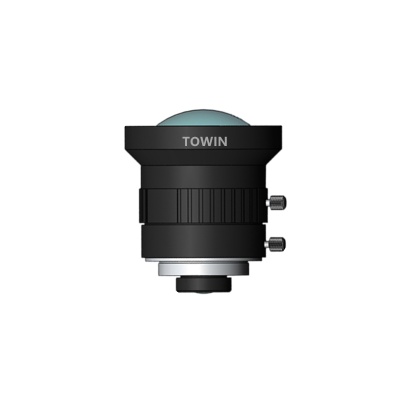
C mount machine vision lenses
Conclusion
In summary, C-Mount lenses are versatile, compact, and highly precise, making them an excellent choice for a variety of industries, including industrial imaging, microscopy, and CCTV surveillance. Understanding what C-Mount means in lenses can help you choose the right tools for your specific needs, whether you’re working in scientific research, machine vision, or even upgrading your camera gear.