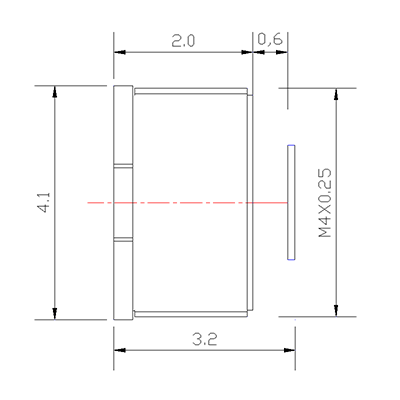



ASTM-tested Automotive lens
11/12/2025
Best CS-Mount lenses for industrial cameras
11/12/2025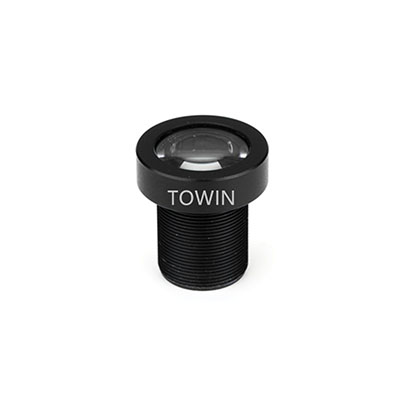
In the world of medical imaging, the quality of visual data plays a critical role in diagnosing diseases, planning surgeries, and monitoring patients’ progress. As technology evolves, so too do the tools that medical professionals rely on to obtain clear, accurate images. One such advancement is the integration of low-distortion lenses in medical imaging devices. These lenses are designed to minimize optical distortion, providing sharper and more accurate images for healthcare professionals.
What Are Low-Distortion Lenses?
Low-distortion lenses are specially engineered lenses that reduce the typical optical distortions found in regular lenses. These distortions can manifest as image warping, blurring, or magnification errors, which may affect the accuracy of medical diagnostics. By minimizing these aberrations, low-distortion lenses allow for more precise and detailed visual representations, which is critical in medical imaging applications like CT scans, MRIs, endoscopy, and more.
In medical imaging devices, clear and undistorted visuals are paramount. Any deviation in image quality can lead to incorrect diagnoses or missed anomalies. Low-distortion lenses solve this problem by maintaining the integrity of the captured image, ensuring that medical professionals can rely on the data they see.
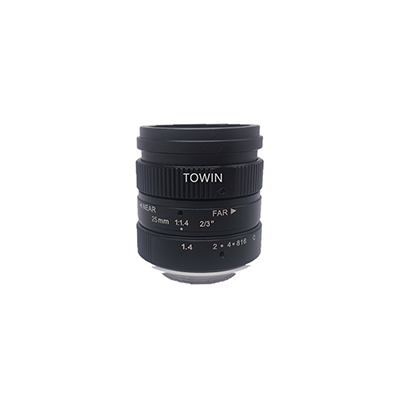
25mm Low Distortion Machine Vision Lens
The Importance of Low-Distortion Lenses in Medical Imaging Devices
Medical imaging devices, such as endoscopes, digital cameras for surgical procedures, and imaging systems for radiology, require impeccable visual clarity. Here’s why low-distortion lenses in medical imaging devices are crucial:
- 1. Enhanced Accuracy: Low-distortion lenses allow for accurate visual data, which is essential for diagnosing conditions like tumors, fractures, or other abnormalities. Inaccurate or distorted images can lead to misdiagnosis or improper treatment.
- 2. Better Surgical Planning: Surgeons rely heavily on precise imaging to plan surgeries, especially those involving delicate procedures. Low-distortion lenses ensure that every detail is captured accurately, reducing the risk of errors during surgery.
- 3. Improved Patient Outcomes: When medical professionals can rely on high-quality imaging, they are better equipped to make informed decisions. This can lead to faster diagnosis, more effective treatments, and ultimately, better patient outcomes.
- 4. Reduced Distortion in 3D Imaging: Many medical imaging techniques, such as 3D MRI or CT scans, require low-distortion lenses to create accurate, three-dimensional images. Distortion in these images can mislead doctors in assessing the size, shape, and location of organs or abnormalities.
Applications of Low-Distortion Lenses in Medical Imaging
Low-distortion lenses are employed across a wide variety of medical imaging devices. Some of the most common applications include:
- Endoscopy: Endoscopes are used to view the interior of a patient’s body. Low-distortion lenses in these devices help capture clear, real-time images of organs and tissues, allowing doctors to accurately diagnose and treat various conditions.
- Microscopy: In laboratory settings, low-distortion lenses help capture clear images of cells and tissues under a microscope, which is critical for disease research and diagnostics.
- Radiology and Imaging Systems: From X-rays to MRIs, low-distortion lenses help maintain the sharpness and clarity of images, ensuring that radiologists can detect even the smallest abnormalities.
- Surgical Navigation: In surgical robotics and navigation systems, low-distortion lenses help provide precise, real-time imaging that is used to guide surgeons during procedures.
Benefits of Low-Distortion Lenses in Medical Imaging Devices
The integration of low-distortion lenses into medical imaging technology brings several distinct benefits:
- Improved Image Quality: The most significant benefit of low-distortion lenses is their ability to produce sharper, more detailed images. This is especially important when trying to spot subtle abnormalities that could go unnoticed with lower-quality lenses.
- Consistency: Low-distortion lenses provide consistent performance across various imaging devices. This consistency helps medical professionals maintain accuracy over time, even as equipment ages or undergoes regular calibration.
- Patient Safety: By improving the clarity and precision of medical imaging, low-distortion lenses can reduce the chance of errors in diagnosis, leading to fewer mistakes in treatment and improved patient safety.
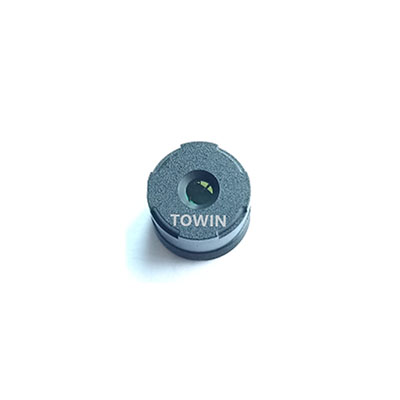
F2.0 low distortion M8 mount lens
The Future of Low-Distortion Lenses in Medical Imaging Devices
As technology advances, so too will the capabilities of low-distortion lenses in medical imaging devices. With the rise of artificial intelligence (AI) and machine learning (ML) in medical diagnostics, these lenses will play an even more critical role. AI-driven imaging systems that rely on high-quality visuals can leverage low-distortion lenses to enhance the precision of algorithms and reduce false positives or negatives.
Moreover, as medical imaging devices become more compact and portable, the need for compact, yet powerful, low-distortion lenses will increase. This trend is already evident in the development of mobile ultrasound devices and handheld diagnostic tools that require powerful lenses in a small form factor.
Why Should Healthcare Professionals Invest in Low-Distortion Lenses for Medical Imaging?
Healthcare professionals looking to invest in cutting-edge medical equipment should prioritize low-distortion lenses for their imaging devices. Here’s why:
- Enhanced Diagnostic Confidence: With more accurate images, medical professionals can confidently make diagnoses, ensuring patients receive the best care possible.
- Reduced Need for Retesting: Low-distortion lenses can reduce the frequency of retesting or further imaging, as they provide clearer and more reliable results the first time.
- Long-Term Cost Efficiency: While the initial investment in low-distortion lenses may be higher, the long-term benefits—such as improved patient outcomes and reduced diagnostic errors—can save healthcare institutions money over time.
FAQs
1. What are the key features of low-distortion lenses in medical imaging devices?
Low-distortion lenses are designed to minimize optical distortions like barrel or pincushion distortion. They offer sharp, high-clarity images that are crucial for accurate medical diagnoses.
2. How do low-distortion lenses improve medical imaging?
Low-distortion lenses enhance the quality of medical images by reducing blurriness, warping, and other distortions, which helps healthcare professionals make more accurate and informed decisions.
3. What types of medical imaging devices benefit from low-distortion lenses?
Low-distortion lenses find application in medical imaging tools like endoscopes, microscopes, X-rays, CT scans, MRIs, and surgical systems.
4. Are low-distortion lenses compatible with existing medical imaging systems?
Yes, low-distortion lenses are compatible with a wide range of medical imaging systems. They can be integrated into both new and existing equipment, enhancing the overall image quality.
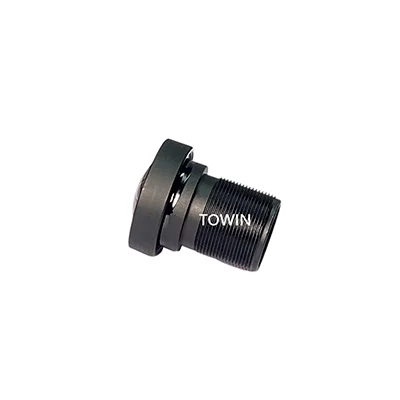
Low distortion lens 12-Megapixel M12 F2.2 CCTV lens
Conclusion
The integration of low-distortion lenses in medical imaging devices is revolutionizing the way healthcare professionals diagnose, treat, and monitor patients. By providing sharper, more accurate images, these lenses play a crucial role in improving patient care and ensuring better medical outcomes. As medical technology continues to advance, low-distortion lenses will undoubtedly remain at the forefront of the industry, helping medical professionals deliver the best possible care.