


8mm FA Lens: Mid-Range Quality Inspection
11/04/2025
Why Choose a Pinhole Lens?
11/04/2025
Security systems rely heavily on the quality and functionality of their components, and the CCTV Lens is no exception. Whether you’re safeguarding a home, business, or public space, selecting the right Types of CCTV Lens can mean the difference between blurry footage and crystal-clear evidence.
Why the Right CCTV Lens Matters
The CCTV Lens is the eye of your surveillance system. It determines the field of view, image clarity, and low-light performance. A poorly chosen lens can lead to gaps in coverage, distorted images, or ineffective monitoring. By understanding the Types of CCTV Lens available, you can optimize your security setup for maximum efficiency.
7 Types of CCTV Lens Explained
1. Fixed-Focal Length Lens
The simplest and most affordable option, fixed-focal length lenses have a permanent focal length, meaning they cannot zoom in or out. These lenses are ideal for monitoring specific areas where the distance to the subject is constant, such as entry points or cash registers.
- Best for: Small rooms, hallways, or areas with predictable movement.
- Pros: Cost-effective, sharp image quality, low maintenance.
- Cons: Limited flexibility; requires multiple cameras for large areas.
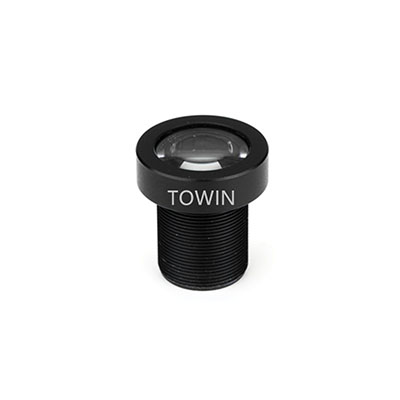
M12 fixed-focus CCTV industrial lens
2. Varifocal Lens
Varifocal lenses offer adjustable focal lengths, allowing you to manually zoom in or out without changing the lens. This versatility makes them popular for installations where the field of view needs occasional adjustment, such as retail stores or parking lots.
- Best for: Medium-sized spaces requiring flexible coverage.
- Pros: Adjustable focus, no need to swap lenses, cost-effective for dynamic environments.
- Cons: Manual adjustments can be time-consuming; some models lack motorized zoom.
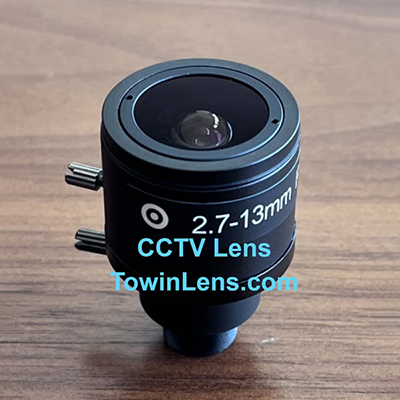
CCTV Lens M12 Lens Varifocal Lens
3. Motorized Zoom Lens
For ultimate control, motorized zoom lenses allow remote adjustment of the focal length via a control panel or software. These lenses are perfect for large-scale surveillance, such as stadiums or airports, where operators need to focus on specific areas quickly.
- Best for: Large venues, critical infrastructure, or high-security zones.
- Pros: Remote operation, precise adjustments, ideal for dynamic scenarios.
- Cons: Higher cost, requires professional installation.
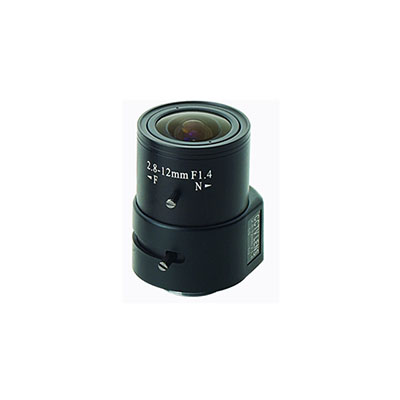
2.8-12mm DC Auto iris CS mount CCTV Zoom lens
4. Wide-Angle Lens
Wide-angle lenses capture expansive views, making them suitable for monitoring open spaces like warehouses, parking lots, or outdoor perimeters. They minimize blind spots but may distort images at the edges.
- Best for: Large indoor/outdoor areas with low detail requirements.
- Pros: Broad coverage, reduces the number of cameras needed.
- Cons: Potential image distortion, lower detail at long distances.

2.8mm wide angle CCTV lens
5. Telephoto Lens
Telephoto lenses are designed for long-distance surveillance, such as monitoring entrances from across a street or tracking vehicles on a highway. They provide high magnification but have a narrow field of view.
- Best for: Long-range monitoring, perimeter security, or license plate recognition.
- Pros: High detail at distance, ideal for specific targeting.
- Cons: Limited coverage area, requires stable mounting.
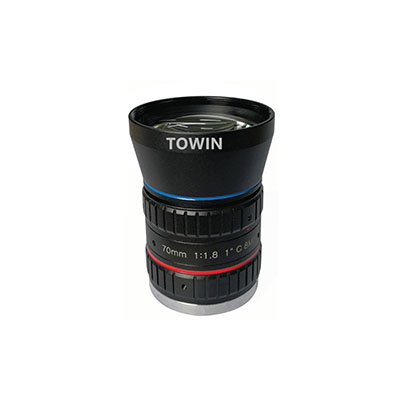
70mm C-mount Telephoto CCTV Lens
6. Fisheye Lens
Fisheye lenses offer a 360-degree panoramic view, eliminating blind spots entirely. These lenses are commonly used in retail stores, museums, or small rooms where comprehensive coverage is essential.
- Best for: Indoor spaces requiring full-room monitoring.
- Pros: No blind spots, single-camera coverage for small areas.
- Cons: Distorted edges, less effective for facial recognition.
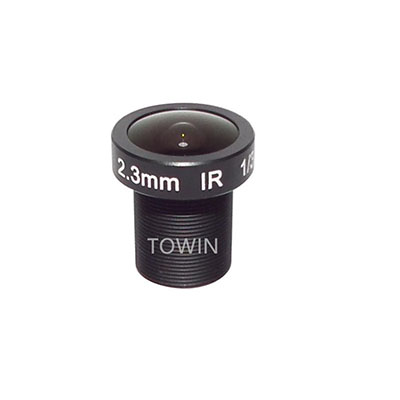
4 megapixel CCTV lens Fisheye Lens
7. IR (Infrared) Lens
IR lenses are optimized for low-light or nighttime surveillance. They work seamlessly with infrared LEDs to capture clear images in darkness, making them ideal for outdoor security or 24/7 monitoring.
- Best for: Nighttime surveillance, outdoor perimeters, or dimly lit areas.
- Pros: Excellent low-light performance, reduces reliance on external lighting.
- Cons: Slightly higher cost, may require IR-compatible cameras.
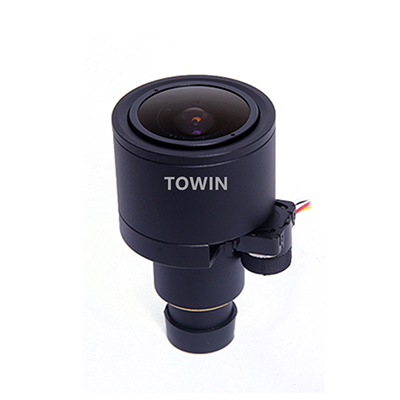
2.7-13mm Auto Iris F1.3 IR corrected CCTV lens
How to Choose the Right CCTV Lens
Selecting the best Types of CCTV Lens depends on your specific needs:
- Field of View: Do you need broad coverage or focused detail?
- Lighting Conditions: Will the camera operate in low light or darkness?
- Distance: How far away are the subjects you need to monitor?
- Budget: Fixed lenses are cheaper, while motorized or IR lenses cost more.
For example, a retail store might use a combination of wide-angle lenses for general coverage and varifocal lenses for checkout areas. Meanwhile, a warehouse could benefit from fisheye lenses for overhead monitoring and telephoto lenses for distant entry points.
FAQs
1. What is the most versatile type of CCTV lens?
The varifocal lens is the most versatile due to its adjustable focal length, allowing flexibility in field of view without swapping lenses.
2. Can I use a telephoto lens for indoor surveillance?
While possible, telephoto lenses are better suited for long-distance outdoor monitoring. Indoor spaces typically require wider fields of view.
3. Do IR lenses work in complete darkness?
Yes, IR lenses are designed to capture infrared light, which is invisible to the human eye but detectable by the camera, enabling surveillance in total darkness.
4. How often should I clean my CCTV lens?
Clean the lens monthly or as needed, especially in dusty or outdoor environments, to maintain image clarity.
5. Are fisheye lenses worth the distortion?
Fisheye lenses are worth it for small spaces requiring full coverage, but their distortion makes them less ideal for facial recognition or detailed inspections.
Final Thoughts
The right Types of CCTV Lens can transform your security system from basic to bulletproof. By understanding the strengths and limitations of each lens type, you can create a tailored surveillance solution that meets your unique needs. Whether you’re protecting a home, business, or public space, investing in quality lenses is a step toward unparalleled security.