


Automotive Lenses for High-Humidity Environments
10/31/2025
Machine vision lenses in logistics
10/31/2025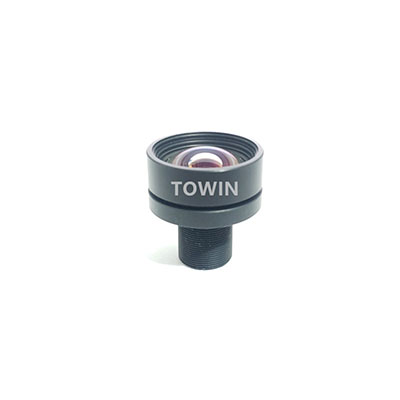
Photography enthusiasts and professionals alike understand the frustration of distorted images—warped edges, curved lines, and unnatural proportions can ruin even the most meticulously composed shot. Enter the Low-Distortion Lens, a game-changer for anyone seeking precision, clarity, and professional-grade results.
Why Low-Distortion Lenses Matter
Distortion occurs when a lens fails to project straight lines accurately onto the camera sensor, resulting in bent or curved features. While some distortion is inevitable in certain lens designs (like wide-angle lenses), a Low-Distortion Lens minimizes these effects, ensuring images remain true to life. This is critical for:
- Architectural photography: Straight lines in buildings must appear straight.
- Product photography: Accurate representation of shapes and sizes.
- Portrait photography: Avoiding unflattering facial distortions.
By prioritizing a Low-Distortion Lens, you eliminate post-processing headaches and deliver polished, professional results straight out of the camera.
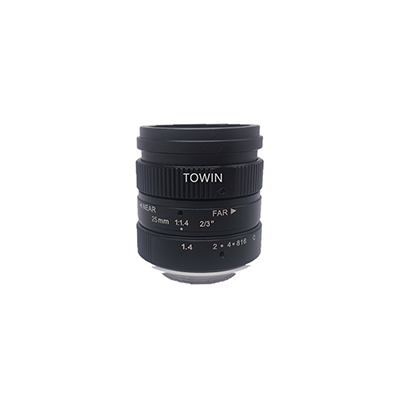
25mm Low Distortion Machine Vision Lens
The Ultimate Checklist Low-Distortion Lens: Key Features to Look For
When shopping for a Low-Distortion Lens, use this checklist to ensure you’re making an informed decision:
1. Optical Design and Glass Quality
High-quality glass elements, such as aspherical or ED (Extra-Low Dispersion) glass, reduce chromatic aberration and distortion. Look for lenses with multiple lens elements designed to correct optical flaws.
2. Focal Length Range
Prime lenses (fixed focal length) often offer superior distortion control compared to zooms. However, modern zoom lenses with advanced optics can also deliver low distortion. For example, the Sony FE 24-70mm f/2.8 GM is renowned for its minimal distortion.
3. Aperture and Light Gathering
A wider aperture (e.g., f/1.4 or f/2.8) allows more light in, which is beneficial for low-light shooting. However, some wide-aperture lenses may sacrifice distortion control. Balance aperture needs with distortion performance.
4. Autofocus Speed and Accuracy
Fast, silent autofocus is essential for dynamic subjects. Ensure the lens’s AF system is reliable and compatible with your camera body.
5. Build Quality and Weather Sealing
Durable construction and weather sealing protect the lens from dust, moisture, and impacts, ensuring longevity and consistent performance.
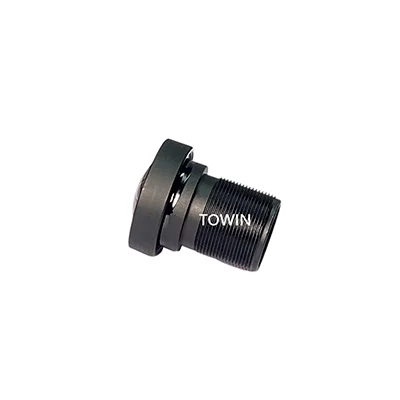
Low distortion lens 12-Megapixel M12 F2.2 CCTV lens
How to Test a Low-Distortion Lens Before Buying
Before committing to a purchase, conduct these tests:
- Shoot a grid pattern: Check for barrel (bulging) or pincushion (pinching) distortion.
- Photograph straight lines: Use a ruler or building edge to assess accuracy.
- Review sample images: Look for online reviews with raw, unedited photos.
Maintaining Your Low-Distortion Lens for Longevity
To keep your lens performing at its best:
- Clean regularly: Use a microfiber cloth and lens-specific cleaning solution.
- Store properly: Keep the lens in a padded case when not in use.
- Avoid extreme temperatures: High heat or cold can damage internal components.
FAQs
1. What is the main advantage of a Low-Distortion Lens?
A Low-Distortion Lens ensures straight lines remain straight, making it ideal for architectural, product, and portrait photography.
2. Can smartphone lenses achieve low distortion?
Some high-end smartphones use multi-lens systems and software to reduce distortion, but they still can’t match the optical precision of dedicated Low-Distortion Lenses.
3. Do I need a Low-Distortion Lens for casual photography?
For everyday snapshots, distortion may not be noticeable. However, if you plan to print large photos or shoot professionally, a Low-Distortion Lens is worth the investment.
4. How does lens distortion affect video recording?
Distortion can make footage appear unnatural, especially when panning or tracking subjects. A Low-Distortion Lens ensures smoother, more professional results.
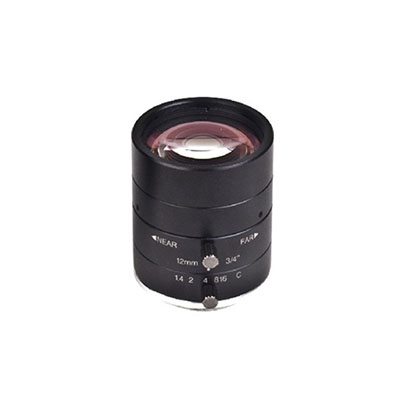
low-distortion C-mount lens
Final Thoughts
In the world of photography, precision is key. A Low-Distortion Lens empowers you to capture images that are sharp, accurate, and visually compelling. By following The Ultimate Checklist Low-Distortion Lens, you’ll make an informed choice that elevates your work to the next level.