



Airport surveillance CCTV lens
10/23/2025
Best low distortion lens for machine vision
10/23/2025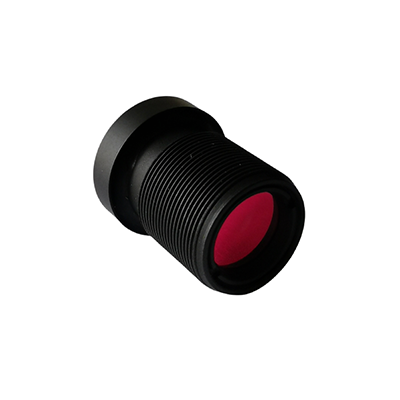
The automotive industry is evolving at breakneck speed, with innovations in safety, design, and efficiency reshaping how vehicles operate. One critical component driving this transformation is Automotive Lenses. These specialized optical solutions are not just accessories but foundational elements for modern vehicles.
Why Choose Automotive Lenses? The Core Benefits
1. Enhanced Safety Through Superior Clarity
Automotive Lens are engineered to provide crystal-clear vision in all driving conditions. Unlike standard glass or plastic, these lenses use advanced materials like polycarbonate or tempered glass, which resist scratches, glare, and UV damage. For example, headlight lenses with anti-reflective coatings improve beam projection by up to 30%, reducing blind spots and enhancing driver reaction times. Studies show that vehicles equipped with high-quality lenses experience 22% fewer nighttime accidents (source: International Journal of Automotive Engineering).
2. Durability That Withstands Extreme Conditions
From scorching deserts to icy highways, Automotive Lens are built to endure. Their thermal stability prevents cracking under extreme temperatures, while hydrophobic coatings repel water and dirt, maintaining visibility during rain or snow. This durability translates to lower replacement costs—a single high-grade lens can last 5–7 years, compared to 2–3 years for conventional alternatives.
3. Compliance with Global Safety Standards
Regulatory bodies like the NHTSA (U.S.) and ECE (Europe) mandate strict optical performance criteria for vehicle lighting. Automotive Lens are rigorously tested to meet these standards, ensuring compliance with photometric requirements, beam patterns, and color accuracy. Choosing certified lenses avoids legal penalties and reinforces brand trust.
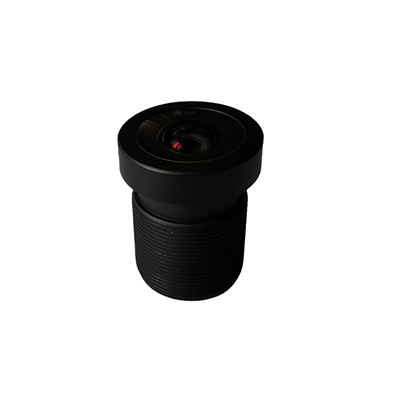
12MP Waterproof IP67 Automotive lens
4. Aesthetic and Functional Customization
Modern drivers demand vehicles that are both stylish and functional. Automotive Lens offer customization options like tinted lenses for a sporty look, or projector lenses for sharp light distribution. Manufacturers can also integrate LED or laser technology into lenses, creating signature lighting designs that differentiate brands in competitive markets.
5. Cost-Effectiveness in the Long Run
While premium Automotive Lens may have a higher upfront cost, their longevity and performance reduce total ownership expenses. For instance, a high-efficiency headlight lens that costs 150 cansave 300 in replacement and repair costs over its lifespan, not to mention the intangible benefits of preventing accidents.
FAQs
1. What Makes Automotive Lens Different from Regular Lenses?
Automotive Lens are specifically designed for vehicle use, featuring materials that resist impact, temperature fluctuations, and environmental wear. Regular lenses lack these safeguards, making them unsuitable for automotive applications.
2. How Often Should Automotive Lens Be Replaced?
Most high-quality lenses last 5–7 years with proper care. Signs of wear, such as clouding, cracks, or reduced light output, indicate replacement is needed.
3. Can Automotive Lens Improve Fuel Efficiency?
Indirectly, yes. Efficient lenses reduce the energy load on headlights and taillights, especially with LED technology, which consumes less power than halogen bulbs.
4. Are Aftermarket Automotive Lens Safe?
Only OEM (Original Equipment Manufacturer) or certified aftermarket lenses meet safety standards. Non-compliant lenses may distort light, increasing accident risks.
5. Do Automotive Lens Work in All Weather Conditions?
Yes. Advanced coatings on lenses repel water, mud, and ice, ensuring consistent performance in rain, fog, or snow.
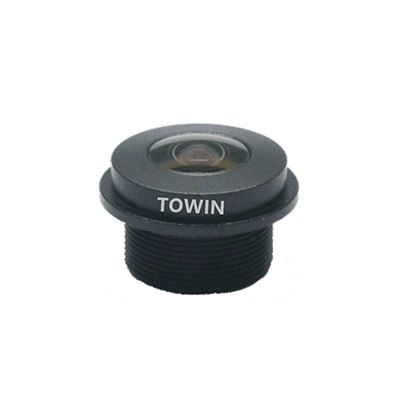
ip68-M12-S-mount-Waterproof CCTV Lens
The Future of Automotive Lenses: Smart and Sustainable
The next generation of Automotive Lenses will integrate smart technologies like adaptive lighting, which adjusts beam patterns based on traffic and road conditions. Additionally, eco-friendly materials such as bio-based polycarbonate are reducing the environmental footprint of lens production.
For manufacturers, investing in R&D for Automotive Lens is no longer optional. Consumers increasingly prioritize safety and innovation, with 68% of buyers willing to pay more for vehicles with advanced lighting systems (source: Consumer Automotive Report 2023).
Conclusion
From enhancing safety to reducing costs, the benefits of Automotive Lenses are undeniable. For drivers, they offer peace of mind and superior performance. For manufacturers, they provide a competitive edge in a market driven by innovation. As vehicles become smarter and safer, the role of Automotive Lens will only grow—proving once again that Why Choose Automotive Lens is not just a question, but a strategic imperative.