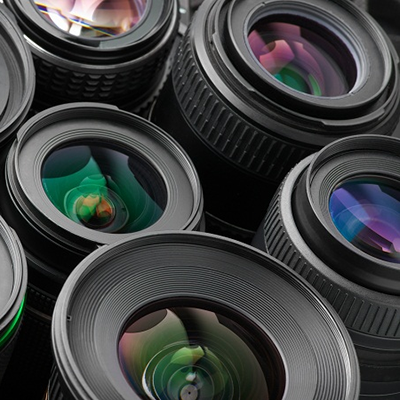



Fisheye Lens with Ergonomic Design
10/11/2025
Sub-millimeter pinhole lens
10/11/2025
Photography enthusiasts often debate the merits of various focal lengths, but the 40mm lens stands out as a versatile, often-underrated gem. Known for its balance between wide-angle and telephoto capabilities, this lens excels in multiple scenarios. But what truly sets it apart is its status as a Low Distortion Lens, making it a top choice for professionals and hobbyists alike.
What is a 40mm Lens Good For? Key Advantages
The 40mm lens is a near-perfect “normal” lens, offering a field of view close to the human eye. Its Low Distortion Lens design ensures minimal warping of straight lines, making it ideal for:
1. Street Photography
The 40mm focal length captures candid moments without the awkward perspective shifts common in wider lenses. Its compact size allows for discreet shooting, while the Low Distortion Lens quality preserves architectural details and facial features.
2. Portrait Photography
Unlike 50mm lenses, which can feel slightly tight for environmental portraits, the 40mm lenses provides a natural balance between subject and background. The Low Distortion Lens ensures faces remain true to life, avoiding unflattering stretching.
3. Travel and Everyday Shooting
Lightweight and portable, the 40mm lenses is perfect for travel. Its Low Distortion Lens characteristic means you can shoot landscapes, cityscapes, or street scenes without worrying about curved horizons or skewed buildings.
4. Video Production
Filmmakers appreciate the 40mm lenses for its smooth bokeh and natural perspective. The Low Distortion Lens design reduces post-production corrections, saving time and effort.
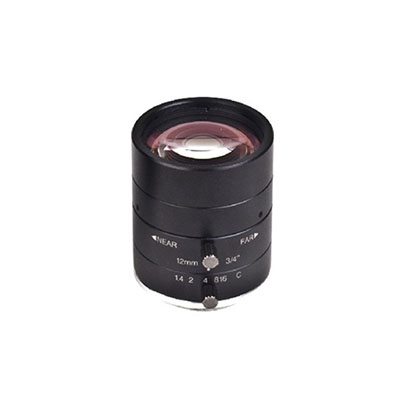
low-distortion C-mount lens
Why a Low Distortion Lens Matters
Distortion occurs when straight lines appear curved, often due to lens design. Wide-angle lenses, for example, tend to stretch edges, while telephoto lenses compress scenes. The 40mm Low Distortion Lens minimizes these issues, delivering crisp, accurate images.
- Architectural Photography: Shoot buildings without worrying about converging verticals.
- Product Photography: Present items in their true shape, avoiding warping.
- Group Shots: Keep everyone’s face proportionate, even at the edges of the frame.
Comparing the 40mm Lenses to Alternatives
- 35mm vs. 40mm: The 35mm lens offers a wider view but higher distortion. The 40mm’s Low Distortion Lens quality makes it better for portraits and controlled compositions.
- 50mm vs. 40mm: The 50mm lens (often called a “nifty fifty”) is slightly more zoomed in, making it great for headshots but less versatile for environmental shots. The 40mm strikes a middle ground.
Practical Tips for Using a 40mm Lens
- 1. Shoot in Aperture Priority Mode: Maximize the lens’s sharpness by keeping the aperture between f/2.8 and f/8.
- 2. Get Close for Portraits: The 40mm lenses works best when you’re not afraid to step closer to your subject.
- 3. Use for Food Photography: The Low Distortion Lens ensures plates and utensils look natural.
- 4. Pair with a Tripod for Landscapes: Stabilize your camera to capture sharp, distortion-free scenes.
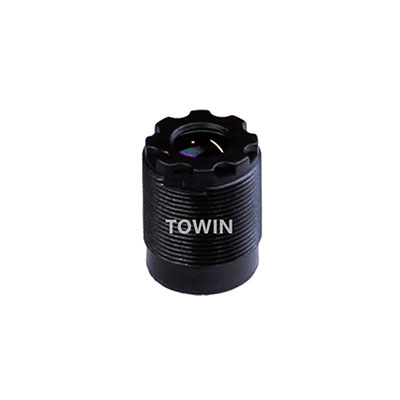
low-distortion-M8-Mount-lens
FAQs
1. Is a 40mm lenses good for beginners?
Absolutely! The 40mm lenses is lightweight, affordable, and easy to master. Its Low Distortion Lens design means fewer mistakes in composition.
2. Can a 40mm lenses replace a 50mm lens?
While not identical, the 40mm lenses offers similar versatility with less distortion. It’s a great alternative if you want a slightly wider perspective.
3. What cameras are compatible with a 40mm lenses?
Most DSLR and mirrorless cameras support 40mm lenses. Check your camera’s mount type (e.g., Canon EF, Sony E) before purchasing.
4. Is the 40mm lenses worth the investment?
Yes! Its Low Distortion Lens quality and adaptability make it a long-term addition to any photographer’s kit.
5. Does a 40mm lenses work well in low light?
Many 40mm lenses feature wide apertures (e.g., f/2.8), allowing them to perform well in low-light conditions.
Final Thoughts
The 40mm lenses is a hidden champion in the world of photography. Its Low Distortion Lens design, combined with its versatility, makes it indispensable for portraits, street scenes, travel, and video. Whether you’re a beginner or a seasoned pro, this lens offers unmatched value.
So, what is a 40mm lens good for? The answer lies in its ability to deliver sharp, natural images without the hassle of post-processing corrections. If you haven’t tried a 40mm lenses yet, now’s the time to experience its magic.