



What industries use Machine Vision Lens?
09/30/2025
How to Avoid Vignetting with a Pinhole Lens
09/30/2025Lens mounts serve as the physical and optical interface between a CCTV Cameras and its lens. They determine compatibility, image quality, and flexibility in surveillance setups. A mismatched mount can lead to blurry footage, limited zoom capabilities, or even system failure. For instance, using a CS-mount lens on a C-mount camera (without an adapter) will result in improper focus, as the lens projects the image inside the camera’s flange distance.
Key Benefits of Proper Lens Mounts:
- Compatibility: Ensures lenses fit specific camera models.
- Image Quality: Reduces vignetting, distortion, and focus issues.
- Flexibility: Supports interchangeable lenses for varied surveillance needs.
- Durability: Protects against environmental damage like dust or moisture.

M12 CCTV lens 3-Megapixel IR corrected
Types of Lens Mounts for CCTV Cameras
CCTV cameras use several lens mount types, each with distinct advantages. Below are the most common options:
1. CS-Mount (Compact Standard)
- Design: Shorter back focal length (12.5mm) than C-mount.
- Use Case: Ideal for compact CCTV cameras with integrated lenses, such as indoor dome cameras.
- Pros: Lightweight, cost-effective, and widely compatible with basic surveillance setups.
- Cons: Limited to shorter focal lengths; unsuitable for high-zoom applications.
2. C-Mount
- Design: Longer back focal length (17.526mm), allowing for larger sensors and lenses.
- Use Case: Professional surveillance, industrial settings, or scenarios requiring long-range focus (e.g., monitoring parking lots or perimeters).
- Pros: Supports interchangeable lenses, including telephoto and varifocal options.
- Cons: Bulkier; may require adapters for some cameras.
3. M12 Mount (S-Mount)
- Design: Small, threaded mount commonly used in board cameras and mini domes.
- Use Case: Discreet surveillance, such as in retail stores or offices.
- Pros: Compact size; integrates seamlessly with tiny camera housings.
- Cons: Limited lens options; typically fixed-focus.
4. Bayonet Mount
- Design: Quick-release locking mechanism similar to DSLR cameras.
- Use Case: High-end CCTV systems requiring rapid lens swaps.
- Pros: Secure connection; reduces wear and tear.
- Cons: Less common in budget-friendly models.
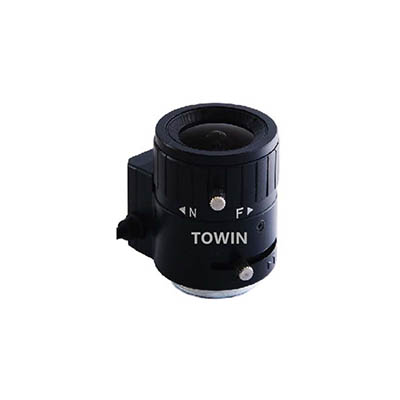
2.8-12mm F1.4 IR Corrected Lens , CCTV Zoom Lens
How to Choose the Right Lens Mount
Selecting the ideal mount depends on your surveillance goals. Consider these factors:
1. Camera Compatibility: Check the manufacturer’s specifications to ensure the mount aligns with your camera model.
2. Lens Requirements: Do you need a fixed lens, varifocal (adjustable zoom), or motorized zoom lens?
- Fixed Lenses: Common focal lengths include 2.8mm, 3.6mm, and 6mm for indoor or small spaces.
- Varifocal Lenses: Ranges like 2.8mm–12mm are suitable for outdoor areas requiring adjustable focus.
- Zoom Lenses: Capable of magnifying objects 25x–40x, ideal for large-scale surveillance (e.g., smart cities or maritime environments).
3. Environmental Conditions: Outdoor cameras may require weatherproof mounts to prevent corrosion.
4. Budget: CS-mounts are affordable for basic needs, while C-mounts offer scalability for advanced systems.
Pro Tip: For hybrid systems, use a C-to-CS adapter to extend compatibility. This is particularly useful when upgrading older CCTV setups.
Common Mistakes to Avoid
- Ignoring Back Focal Length: Using a C-mount lens on a CS-mount camera without an adapter will cause focus problems.
- Overlooking Sensor Size: Larger sensors (e.g., 1/1.8”) may not work with M12 mounts designed for smaller sensors (e.g., 1/4”).
- Neglecting Environmental Seals: Dust and moisture can damage mounts over time, leading to costly replacements.

12-50mm-P-Iris-Telephoto CCTV-lens
Future Trends in Lens Mount Technology
Advancements in AI and machine learning are influencing lens mount designs. For example, some manufacturers now offer “smart mounts” with auto-calibration features, eliminating manual focus adjustments. Additionally, modular mounts are gaining traction, allowing users to swap lenses without tools.
Recommended Reading: Why Multi-Sensor CCTV Lens Are Gaining Popularity
Final Thoughts
Understanding Lens Mounts for CCTV Cameras is pivotal for optimizing surveillance performance. By evaluating compatibility, environmental needs, and budget constraints, you can select a mount that enhances image quality and system longevity.